The 2024 Executive Order on Immigration: A Deep Dive
In a move causing political whiplash, the White House has unveiled an executive order that proposes a dramatic overhaul of US immigration policy. This isn’t just a minor tweak; it’s a full-scale reboot that has sparked intense debate. Let’s unpack this controversial political suitcase.
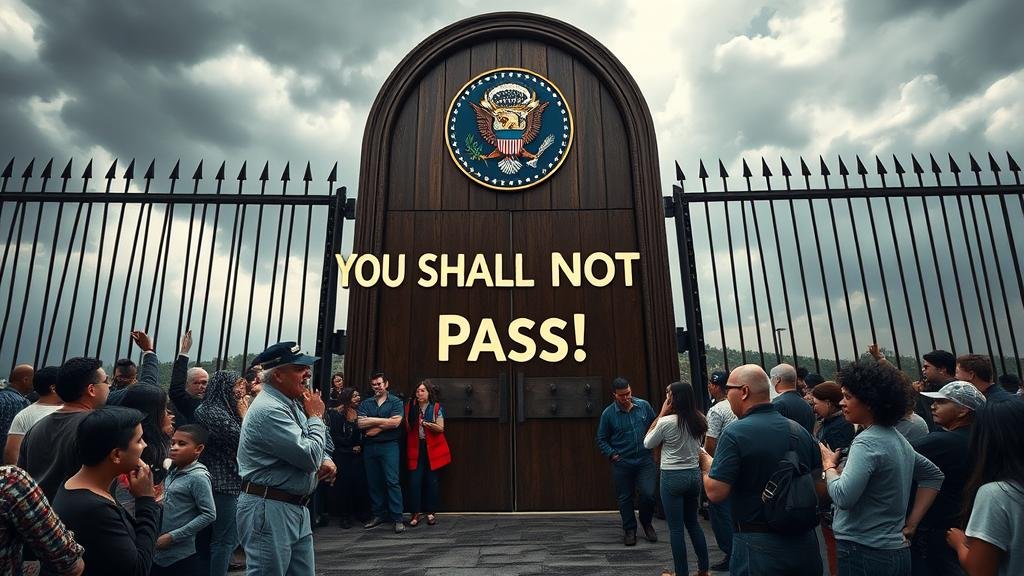
The “You Shall Not Pass!” Directive
The order’s most prominent feature is a sweeping halt on migration from a list of countries designated as “Third World”—an outdated and controversial term. The administration cites national security and economic stability as the primary drivers for this new form of border control. The White House claims the current system is strained, impacting everything from jobs to social services.
Critics, however, have denounced the policy as discriminatory and xenophobic. Advocacy groups are calling it a “moral outrage,” arguing that it’s a policy based on fear, not facts, and that it effectively closes the door on countless individuals who might otherwise seek a visa to enter the U.S.
“Reverse Migration”: A Controversial New Chapter
Adding to the controversy is a provision for a “reverse migration” program. This radical proposal aims to encourage legal residents to leave the country, a concept that stands in stark opposition to America’s historical identity as a nation of immigrants. The details remain vague, but immigration lawyers are preparing for unprecedented legal battles, citing the U.S. Constitution and international human rights law.
This part of the executive order also reportedly seeks to revoke humanitarian admissions, such as humanitarian parole, granted by the previous administration. This move would not only lock the front door but also push out those who were already invited in, raising serious concerns about the fate of these individuals and the potential for a mass deportation crisis.
A “Comprehensive Review” of Legal Permanent Residents
As if that weren’t enough, the order calls for a “comprehensive review” of all legal permanent residents—millions of green card holders. The stated purpose is to identify fraud and security threats. However, civil liberties groups have labeled it a “witch hunt,” designed to intimidate people who have built their lives here legally.
The logistical nightmare this would create for U.S. Citizenship and Immigration Services (USCIS) is immense. This review of legal status would subject millions of law-abiding residents to a vaguely defined and stressful process, creating a climate of fear and uncertainty.
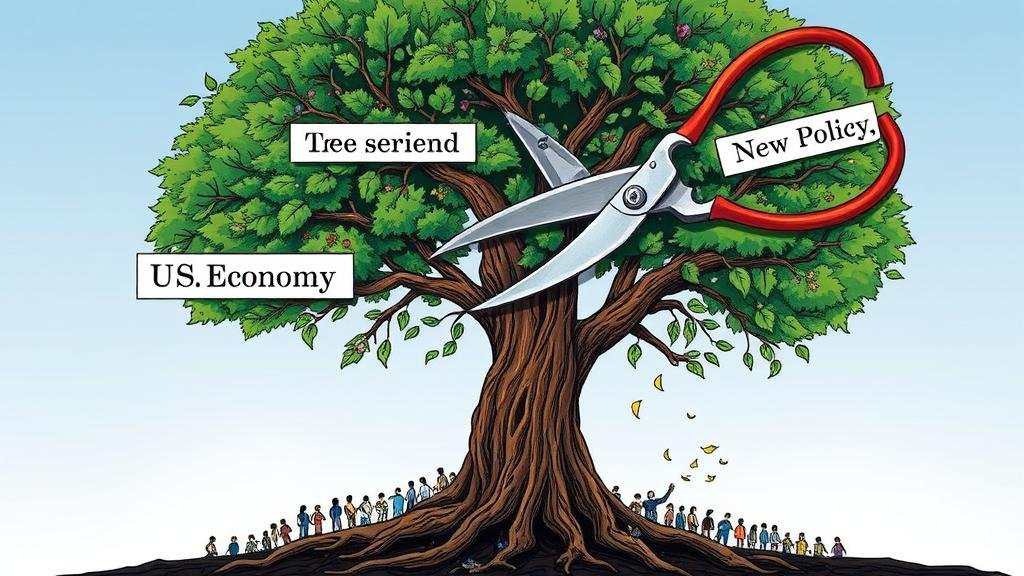
The Economic Fallout
Immigrants are a vital engine for the U.S. economy. They fill critical jobs—from tech to agriculture—start businesses at high rates, and contribute significantly to the tax base. The economic impact of suddenly cutting off this pipeline and creating a hostile environment for legal residents could be severe, potentially leading to labor shortages and reduced economic growth. A stable, predictable system is what fosters a healthy economy; this policy is the antithesis of that. Many economists argue that comprehensive immigration reform is a more effective way to manage the system.
What’s Next?
The executive order is already facing a barrage of legal challenges. The courts will be occupied for the foreseeable future, leaving the country in a state of uncertainty. This isn’t just a headline; it’s a national conversation about who we are. As the immigration debate continues, it’s crucial that it’s guided by facts, not fear. We must consider all facets of the issue, from the rights of asylum seekers to the economic realities of our nation.