Ukraine Peace Plan Showdown: Why Zelenskyy and Europe Rejected the US Deal
Let’s dive into the world of international diplomacy, where the latest drama over a Ukraine peace plan is more gripping than a reality TV finale. A major proposal for the Ukraine war lands, and the world waits. Then, in a stunning diplomatic power move, Ukrainian President Volodymyr Zelenskyy and key European leaders from the UK, France, and Germany delivered a resounding “no.” This wasn’t just a rejection; it was a public spectacle. Let’s break down this major diplomatic showdown and the controversial peace negotiations.
The “Peace” Proposal That Wasn’t
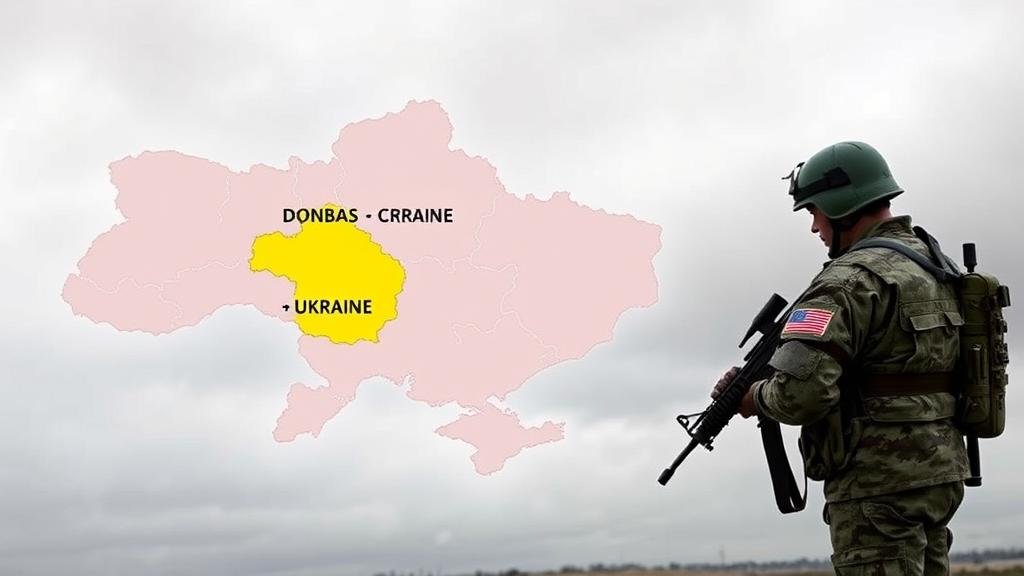
So why the swift and decisive rejection? The devil is in the details of the proposed Ukraine peace deal. The U.S.-backed plan reportedly demanded significant and painful concessions from Kyiv:
- Territorial Concessions: Ceding the entire Donbas region and Crimea.
- Military Restrictions: A drastic reduction of Ukraine’s armed forces, the very military defending its national sovereignty.
Let’s be blunt: this wasn’t a blueprint for peace; it was a demand for surrender. Proposing such terms to a nation fighting for its survival is like asking a homeowner to negotiate with a burglar who’s already inside. For Ukraine, accepting this deal would have meant a complete capitulation, making it an absolute non-starter.
A Unified Roar of “No”
In a powerful display of unity, Zelenskyy and his European counterparts—UK Prime Minister Keir Starmer, French President Emmanuel Macron, and German Chancellor Olaf Scholz—issued a joint statement that was the diplomatic equivalent of a mic drop. Their message was crystal clear: while they are committed to peace, they will not accept a “peace” that sacrifices Ukraine’s territory and its right to self-defense.
They called for a “comprehensive, just, and lasting peace,” a phrase that’s a direct counter-narrative to the proposed deal. Let’s decode this diplomatic language:
- “Comprehensive”: We need to resolve the entire Russia-Ukraine conflict, not just put a temporary bandage on it.
- “Just”: This means accountability for the aggressor, not rewards.
- “Lasting”: The goal is a permanent end to the conflict, not a brief ceasefire before the next invasion.
This unified front from European leaders sends a powerful signal.
Why This Rejection is a Game-Changer
This joint rejection is more than just a political statement; it’s a crucial strategic maneuver in the ongoing geopolitical uncertainty. Here’s why it matters:
First, it’s a powerful defense of national sovereignty. Zelenskyy has consistently championed Ukraine’s right to self-determination. Think of it like this: sovereignty is like being the king of your own castle, and then someone bigger comes along and demands you give them a few rooms and your keys. The support from European leaders reinforces the principle that Ukraine’s fate won’t be decided for them.
Second, it’s about preventing a dangerous precedent. Rewarding aggression with territory would be a green light for similar actions worldwide, a terrifying prospect for many nations. This stance upholds the international order established after WWII.
But here’s the masterstroke of international diplomacy: while firmly rejecting the current deal, Zelenskyy stated he is ready for “honest work” on a genuine Ukraine peace plan. This keeps the door open for future peace negotiations but on terms that respect Ukraine as an equal partner, not a victim.
What’s Next in the Ukraine War?
So, what’s next in the Russia-Ukraine conflict? This decisive stance from Ukraine and its allies likely means the war will continue until more favorable conditions for peace negotiations emerge. For Ukraine, a stronger position on the battlefield is the best leverage against unfair “peace” proposals.
For our readers who are market-watchers, this prolongs the period of geopolitical uncertainty. The dream of a quick resolution to the Ukraine war is fading, replaced by the stark reality that achieving a comprehensive, just, and lasting peace will be a long and arduous process.
The bottom line is clear: Ukraine and its European partners are digging in their heels, prioritizing a just peace over a quick fix. They are not just looking for an exit from the war; they are fighting for a future where Ukraine is secure, sovereign, and whole.