The West Germany Model: Why a Divided Ukraine is a Disaster for NATO
International diplomacy can feel like a high-stakes group project. The latest proposal to end the war in Ukraine is a prime example: a “West Germany-style” NATO membership. The concept suggests offering Ukraine an Article 5 security guarantee for the territory it currently controls, essentially leaving the other parts in geopolitical limbo.
While some see this as a pragmatic way to freeze the conflict, Ukrainian President Volodymyr Zelenskyy and key European allies have rejected the notion. They argue that carving up a country to appease an aggressor sets a dangerous precedent for European security.
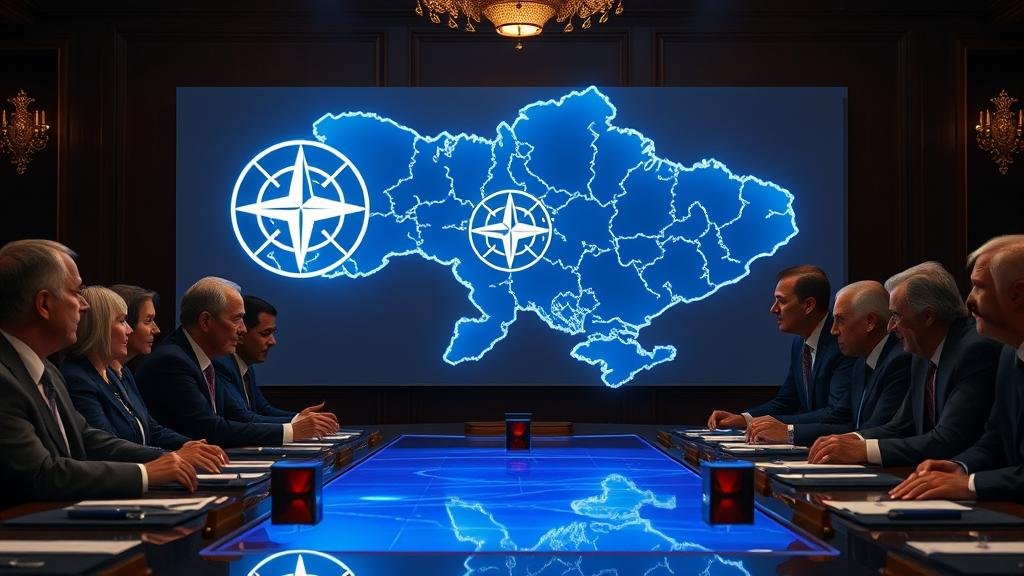
The Flawed “Land for Security” Bargain
The “West Germany model” draws a parallel to 1955, when West Germany joined NATO while East Germany remained under Soviet influence. Proponents suggest that Ukraine NATO membership for Kyiv-controlled territory could “end the hot stage of the war,” saving lives and allowing a collective sigh of relief.
For Western nations, this appears to be an off-ramp, a way to reduce the flow of military and financial aid and lower the risk of a direct confrontation with Russia. It would create a fortified line, effectively freezing the conflict.
However, this “solution” implicitly rewards Russia’s aggression, undermining the core principles of Ukrainian sovereignty. It’s like letting a neighbor steal your car and then agreeing to simply lock your front door better. It validates the invasion and offers a victory to Vladimir Putin.
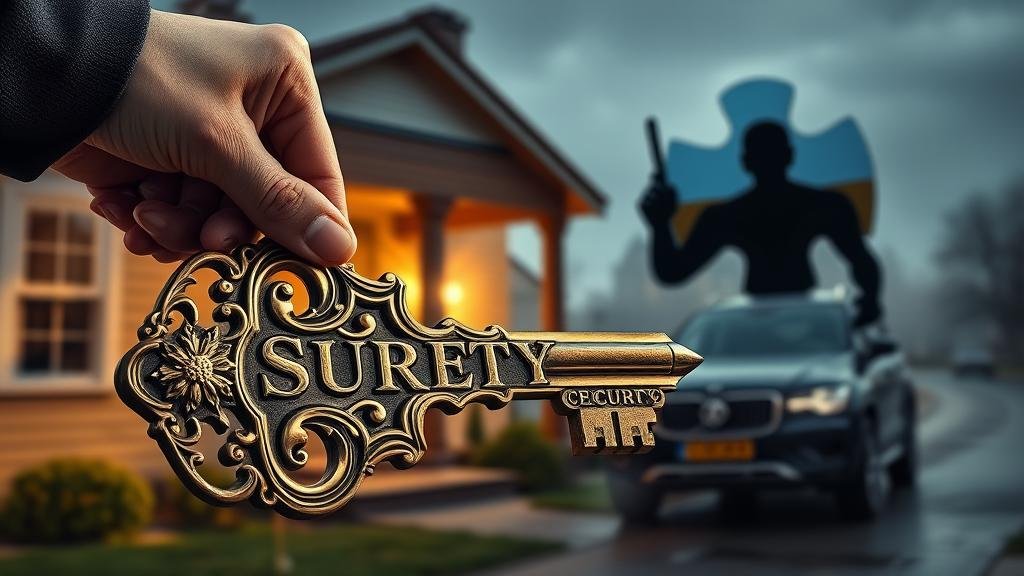
Ukraine’s Unyielding Stance on Sovereignty
President Zelenskyy’s response has been unequivocal: NATO accession must include all of Ukraine. This position is not mere political posturing; it is a fundamental defense of the nation’s right to exist. For Ukrainians who have fought and died for their freedom, trading land for a fragile peace is an affront to their sacrifice.
Ceding territory to Russia would send a chilling message to autocrats worldwide: aggression pays off. If an invader can hold onto land long enough, the international community might eventually concede it.

European Allies Stand with Kyiv
Fortunately, Ukraine is not alone. The United Kingdom, France, and Germany have presented a united front, dismissing the idea of a partitioned Ukraine. Their focus remains on strengthening Ukraine’s air defenses and increasing pressure on Russia.
These nations have established “Five Joint Principles,” which assert that Russia cannot have veto power over Ukraine’s sovereign choices. This is a direct rebuke to the Kremlin’s demand for Ukraine’s permanent neutrality. They understand that a “peace” rewarding Russia would be temporary, likely leading to further aggression. A stable, whole, and secure Ukraine is the best guarantee against future chaos.
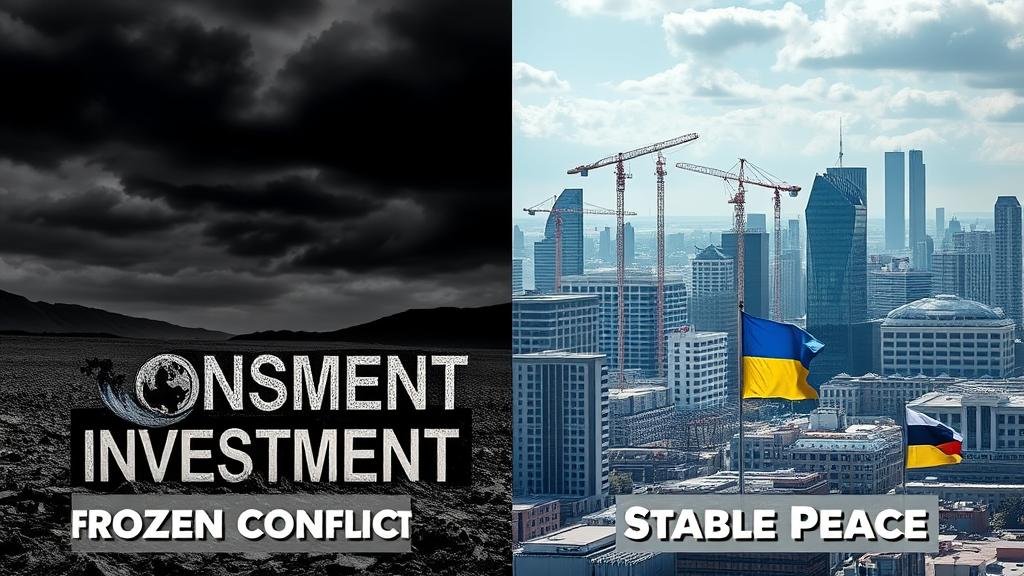
Economic Fallout: Frozen Conflict vs. Stable Peace
The economic implications of the “West Germany model” are dire. A frozen conflict would be poison for Ukraine’s economy and for global market stability.
- Investment Risk: Who would invest in a country with a volatile, heavily militarized border and a historically aggressive neighbor? The risk would deter the billions in reconstruction and investment needed to rebuild.
- Reconstruction Hurdles: Rebuilding a nation is a monumental task. Doing so under the constant threat of renewed invasion is nearly impossible.
- Market Instability: A perpetually unresolved war on Europe’s doorstep would be a constant source of anxiety for the global economy.
Conversely, a just peace that restores Ukraine’s 1991 borders is the only viable path to long-term stability. It would unlock trillions in investment and foster a thriving economy that benefits all of Europe. The message from Zelenskyy and his allies is clear: the “land for security” deal is a strategic and moral dead end. The only destination that ensures a lasting peace is a free, whole, and sovereign Ukraine.