tampering-a-hot-water-heater.jpg
The Fed Hints at Interest Rate Cuts: What It Means for Your Wallet
Let’s be honest, the only John Williams most of us want to hear from is the one conducting the Star Wars score. But a different John Williams—this one from the New York Federal Reserve—recently said something that could be music to your ears, especially if you have outstanding debt.
He hinted that the high borrowing costs we’ve all been groaning about might be coming down.
For anyone with a mortgage that feels like a monthly heart attack, an auto loan with a death grip on their bank account, or a credit card balance that’s starting to resemble a phone number, this is a big deal. So, stick around. I promise to make this Fed-speak less painful than assembling IKEA furniture.
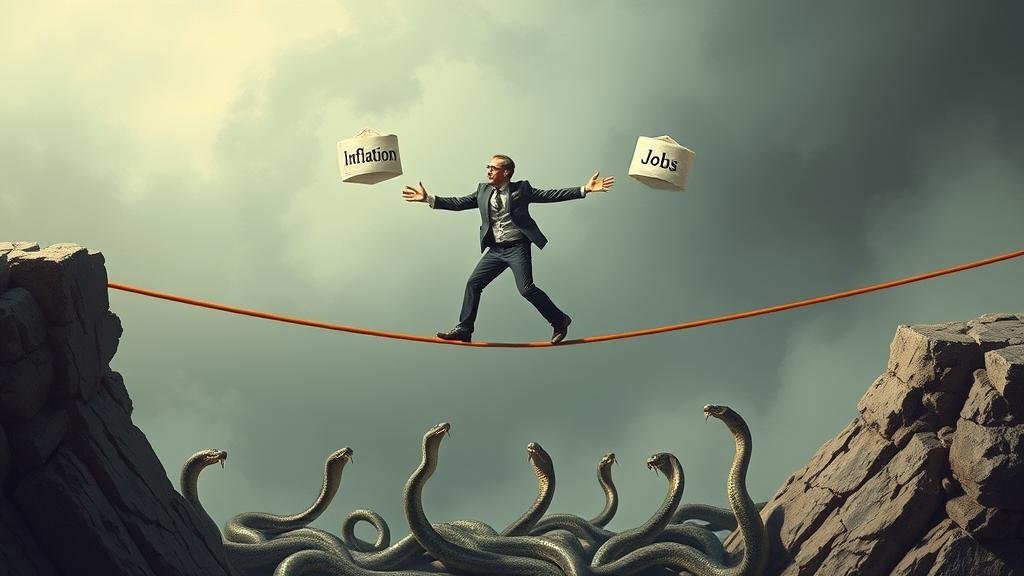
The Fed’s Balancing Act: Juggling Inflation and Your Job
To understand why this is major news, you need to get the Federal Reserve’s seemingly impossible job: keeping inflation low while ensuring maximum employment. It’s like trying to pat your head and rub your stomach while riding a unicycle on a tightrope over a pit of snakes. The Fed’s monetary policy is the set of tools it uses to do this.
For the past couple of years, the Fed’s number one enemy has been inflation. Remember when a carton of eggs cost more than a Netflix subscription? To combat that, they used their superpower: making money more expensive. They raised interest rates, which made borrowing for a house, a car, or even a fancy new laptop much pricier. The goal was to cool down spending so prices could return to Earth.
But now, the economic climate is shifting. Inflation is cooling, but the job market is showing signs of fatigue. This is where New York Fed President John Williams comes in. He suggested that the risk of rising unemployment is becoming a greater concern than the risk of prices skyrocketing again.
In a recent statement, Williams described the Fed’s current policy as “modestly restrictive,” which is a polite way of saying, “Yes, we’re squeezing the economy a bit, but we might be ready to ease up.” This isn’t just an off-the-cuff remark; it’s a signal that a change in monetary policy could be on the horizon.

Reading the Tea Leaves: What Does “A Further Adjustment” Mean for a Potential Interest Rate Cut?
Let’s translate the jargon. When a Fed official mentions “room for a further adjustment,” it’s code for, “Get ready for a potential interest rate cut.”
This “adjustment” would be a reduction in the federal funds rate—the key interest rate that banks use for overnight lending. Think of it as the master control for nearly every loan in the country. When it goes down, banks can borrow more cheaply and often pass those savings on to consumers like you and me who are just trying to buy a minivan without selling a kidney.
The big question is when? Some Wall Street analysts are betting on a rate cut as early as December. But the Fed makes decisions based on data, not wishful thinking. If inflation continues to slow and the job market numbers look weaker, the case for an interest rate cut will become more compelling.

The Consumer Impact: What’s In It For Me?
Enough with the economics lesson. Let’s get to the good stuff: what an interest rate cut could actually mean for your finances.
- Mortgages: Lower rates could make buying a home more affordable. For current homeowners, it might be the perfect time to refinance and lock in a lower payment, freeing up cash for more important things, like more coffee.
- Auto Loans: That new car smell could be within reach! A rate cut might mean a lower monthly payment, which makes a big difference when you’re financing a vehicle for several years.
- Credit Cards: That soul-crushing APR on your credit card? A rate cut could bring it down. It won’t vanish, but it might make carrying a balance a little less painful.
- Personal Loans: Need to consolidate debt or finally fix that leaky roof? A lower interest rate makes it all cheaper.
These changes won’t happen overnight; it takes time for rate cuts to ripple through the economy. But the mere possibility is a positive sign for the consumer impact of the Fed’s decisions.
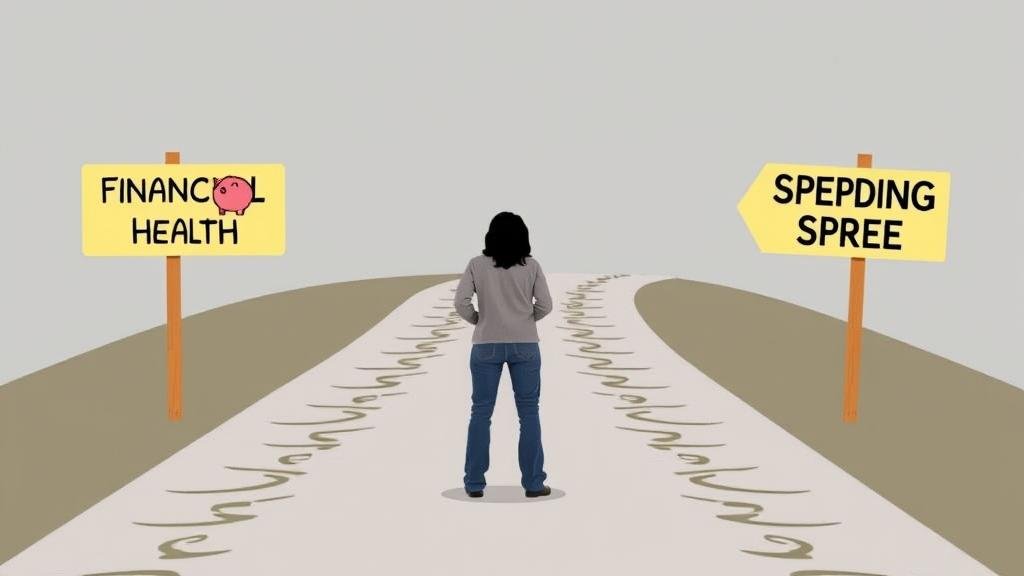
A Word of Caution: Don’t Go on a Spending Spree Just Yet
Okay, deep breaths. Before you rush out to get a loan for that alpaca farm you’ve been dreaming of, let’s be practical.
While lower borrowing costs are great, the reason behind them—a potentially weakening job market and the risk of unemployment —is a bit of a buzzkill. So, what should a smart consumer do? Stay informed, but also focus on the fundamentals: improve your credit score, pay down high-interest debt, and build an emergency fund. These habits are your financial bedrock, regardless of what the Fed decides.
The Road Ahead: A Glimmer of Hope for Borrowers?
For the first time in what feels like ages, the economic conversation is shifting from “How high will rates go?” to “When will we see an interest rate cut?” This signals a new phase in our economic journey and offers a glimmer of hope for anyone with a loan.
The prospect of lower interest rates is no longer a financial fantasy. It’s a real possibility. We’ll keep watching the economic drama unfold and translating it for you—with a healthy dose of sarcasm, of course. For now, cross your fingers and maybe hold off on that solid-gold water slide. Just for a little while.