The Fed Just Hinted at an Interest Rate Cut—Here’s What It Means for Your Money
Let’s cut to the chase: The Federal Reserve just sent a major signal that could shake up your finances. If you’ve been feeling the squeeze of high interest rates, this is the news you’ve been waiting for.
In a statement that sent the stock market soaring, New York Fed President John Williams hinted that the relentless rate hike cycle might finally be over. He suggested there is “room for a further adjustment,” which is Fed-speak for a potential interest rate cut in 2024.
For months, the Fed has been fighting inflation by making borrowing more expensive. But now, they seem to be worried about tipping the economy into a recession. So, what does this Fed pivot mean for the economy, the markets, and your wallet?
Who is John Williams, and Why Should You Care?
You might not know his name, but in the world of finance, John Williams is a major player. As the President of the Federal Reserve Bank of New York, he holds a permanent vote on the Fed’s main committee. His words carry immense weight and offer a glimpse into the future of monetary policy.
When he speaks, it’s not just an opinion—it’s a critical clue about where the economy is headed. The immediate jump in the stock market after his speech tells you everything you need to know.

Decoding the Fed’s “Adjustment” Talk
In the carefully chosen language of central bankers, “adjustment” is a powerful word. For the last two years, it meant one thing: rate hikes. Now, it almost certainly signals a cut.
According to Williams, the Fed’s focus is shifting from solely combating inflation to protecting the job market. The Fed has a dual mandate: to maintain stable prices and to keep people employed. After a long period of focusing on inflation, there are signs of a change in strategy.
The Data Driving the Shift
This change of heart isn’t based on a whim. It’s a reaction to key economic data:
- Cooling Inflation: Recent reports show that price increases are finally slowing down, indicating that the Fed’s previous rate hikes have been effective.
- Softening Job Market: The once red-hot job market is showing signs of cooling, with a slight rise in unemployment and fewer job openings. This gives the Fed room to ease up before causing a “hard landing.”
- Consumer Fatigue: With high credit card bills and rising borrowing costs, consumers are starting to spend less, slowing down the economy.
The Fed is aiming for a soft landing—cooling the economy enough to beat inflation without causing a deep recession. Williams’s comments are the first sign that the central bank is preparing for this landing.
What Does This Mean for Your Money?
Here’s the bottom line for your finances:
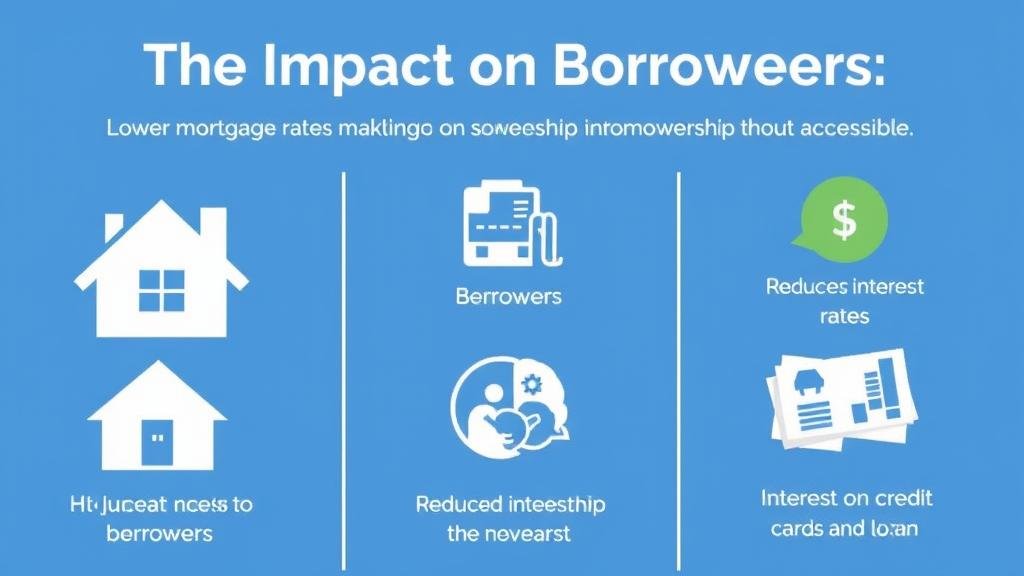
For Borrowers: Relief May Be on the Way
If you have debt or plan to borrow, a rate cut could bring welcome relief.
- Mortgage Rates: A Fed cut could lead to lower mortgage rates, making it cheaper to buy a home or refinance.
- Credit Cards: Variable-rate credit card APRs could decrease, resulting in lower interest charges.
- Auto & Personal Loans: Financing for cars and other personal expenses could become more affordable.

For Savers: The Golden Era Might Be Ending
If you’ve been enjoying high returns on your savings, it might be time to adjust your strategy.
- High-Yield Savings Accounts (HYSAs): Those attractive 5%+ APYs are likely to fall as the Fed cuts rates.
- Certificates of Deposit (CDs): Now could be the perfect time to lock in a high CD rate before they drop.
Your Next Move
While not a guarantee, a top Fed official has signaled that a rate cut could be on the horizon, possibly as soon as December. This suggests a major Fed pivot from a hawkish to a more dovish stance. Here’s your action plan:
- Acknowledge the Pivot: A key Fed official is now more concerned about jobs than just prices. This is a significant shift.
- Borrowers, Be Patient: If you’re planning to take out a loan, waiting a little longer could save you money.
- Savers, Lock in Rates: That high HYSA rate won’t last forever. Consider whether a CD is the right move for your financial plan.
Now is the time to review your finances. Are you a borrower or a saver? Your answer will determine how you should prepare for the coming changes in Federal Reserve interest rate cuts 2024.