Trump’s Ukraine Peace Plan: A Betrayal or a Bitter Pill?
Alright, let’s unpack this diplomatic drama. A controversial Ukraine peace plan, championed by former President Trump and his envoy, Senator J.D. Vance, has stirred the pot, to say the least. While the full details remain under lock and key, the leaks paint a picture of significant concessions from Ukraine.
The core of the “Trump peace plan” suggests a ceasefire in the Russia-Ukraine war in exchange for Ukraine potentially ceding territories like Crimea and parts of the Donbas. For Kyiv, this feels less like a peace offering and more like a surrender sponsored by its most powerful ally. President Zelensky himself has framed it as a “very difficult choice” between the nation’s dignity and its partnership with the United States.
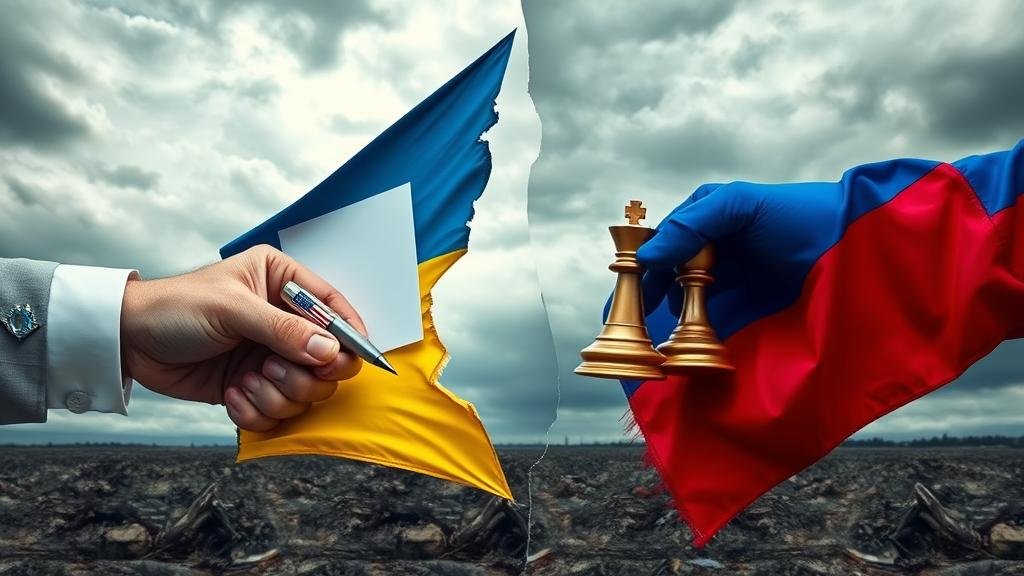
Dignity vs. Partnership: A Rock and a Hard Place
The shifting political landscape in Washington has cast a shadow over US military aid to Ukraine. With the possibility of a second Trump presidency, the once-reliable flow of support is no longer a guarantee. This puts Ukraine in an excruciating position: accept a peace deal that feels like a betrayal, or risk losing the lifeline that has kept its defenses strong?
For Ukrainians, giving up land is not just a strategic loss; it’s a blow to their national identity and a betrayal of the sacrifices made. The choice between sovereignty and survival is a heavy burden to bear, and the pressure is immense.
“We will not betray our country.”
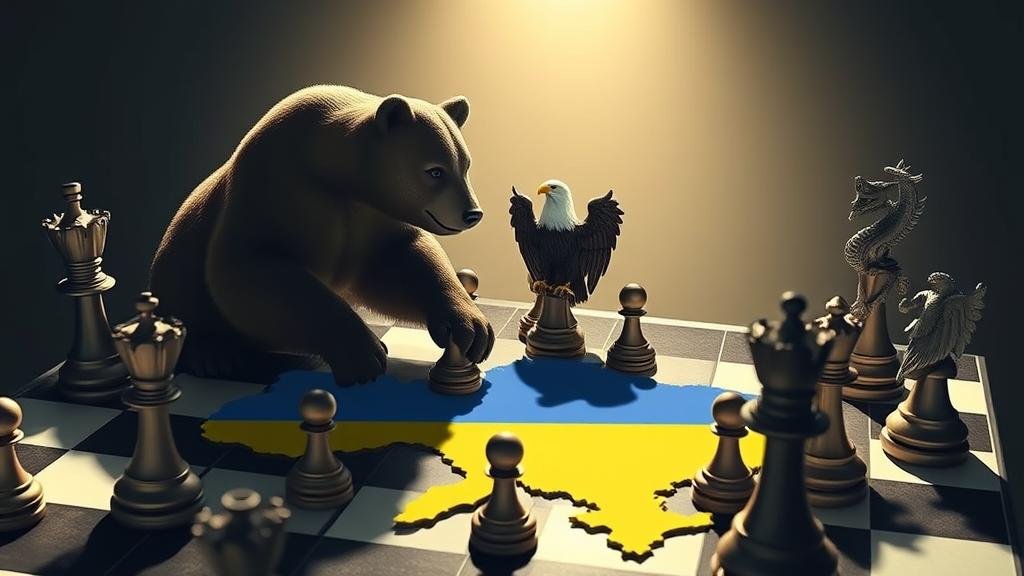
The Geopolitical Chessboard: A New World Order?
This situation has reshaped the global power dynamic. The U.S. and Russia discussing Ukraine’s fate without its full participation feels like a throwback to a darker era. The potential for a frozen conflict and the wavering support from Washington have created a power vacuum, with other nations like China and Turkey watching closely.
The implications of this Trump peace plan extend far beyond Ukraine. If a major world power appears to endorse the redrawing of borders through force, it sets a dangerous precedent for international relations and the future of NATO expansion policies.

The Economic Fallout: A Fragile Recovery on the Brink
The war has devastated the Ukrainian economy. A fragile recovery was just beginning, but the uncertainty of a frozen conflict or a deeply unpopular peace deal threatens to derail it completely. Foreign investment dries up in the face of instability.
Losing territory also means losing critical economic assets, such as factories, resources, and ports. The port city of Mariupol, a major steel producer, is a prime example of the multi-billion dollar economic gut punch Ukraine has already endured. Rebuilding an economy in such a volatile political climate is a monumental task.
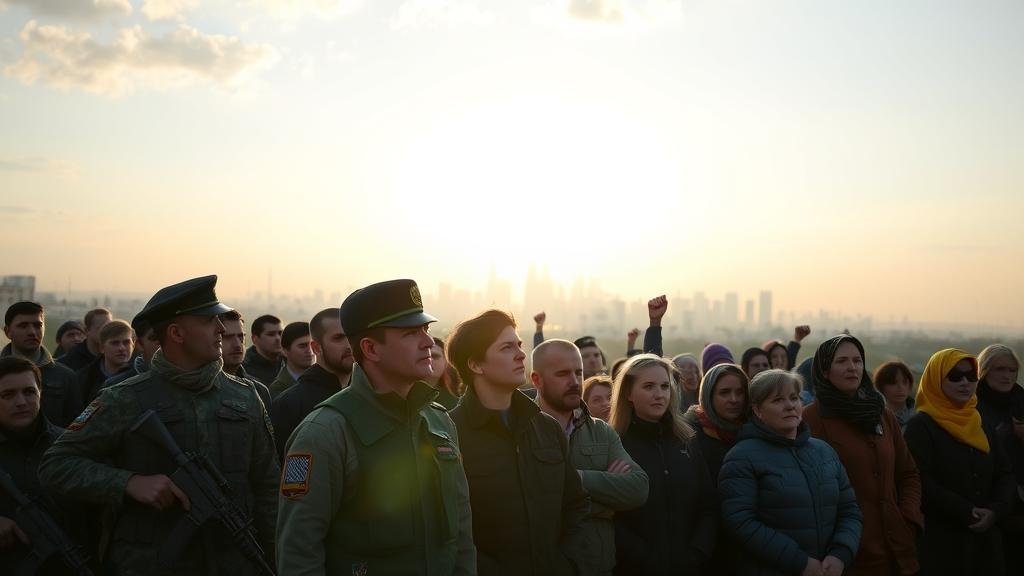
A Nation United, A Future in the Balance
Despite the grim outlook, the Ukrainian people remain defiant. President Zelensky’s somber warnings have also served as a rallying cry, strengthening the nation’s resolve. The resilience on display is extraordinary.
The coming months will be a masterclass in diplomatic maneuvering as Ukraine navigates this treacherous landscape. The world is watching, the stakes are sky-high, and the future remains unwritten. What comes next is anyone’s guess, but one thing is certain: the Russia-Ukraine war has reached a critical juncture.