The US-Russian Peace Plan: A Geopolitical Gambit with a High Price?
A new US-Russian peace plan has emerged, and the world is watching with bated breath. But when these two global powers collaborate on a solution, it often feels less like a masterstroke of diplomacy and more like a geopolitical experiment gone wrong. You just know there’s a potential for fallout.
The proposal, much of which remains classified, appears straightforward. It advocates for a ceasefire, the withdrawal of all foreign military forces, and the establishment of a new “power-sharing” government. On paper, it’s a blueprint for peace.
However, the people in the affected nation are far from celebrating. Critics are decrying the plan as a betrayal, a superficial fix for a deep wound. They argue that without addressing the fundamental causes of the geopolitical conflict, this peace plan could be a prelude to a more devastating sequel. This situation is highlighting the complexities of international relations and the devastating economic impact of violence.
The President’s Response: “One of the Most Difficult Moments in Our History”
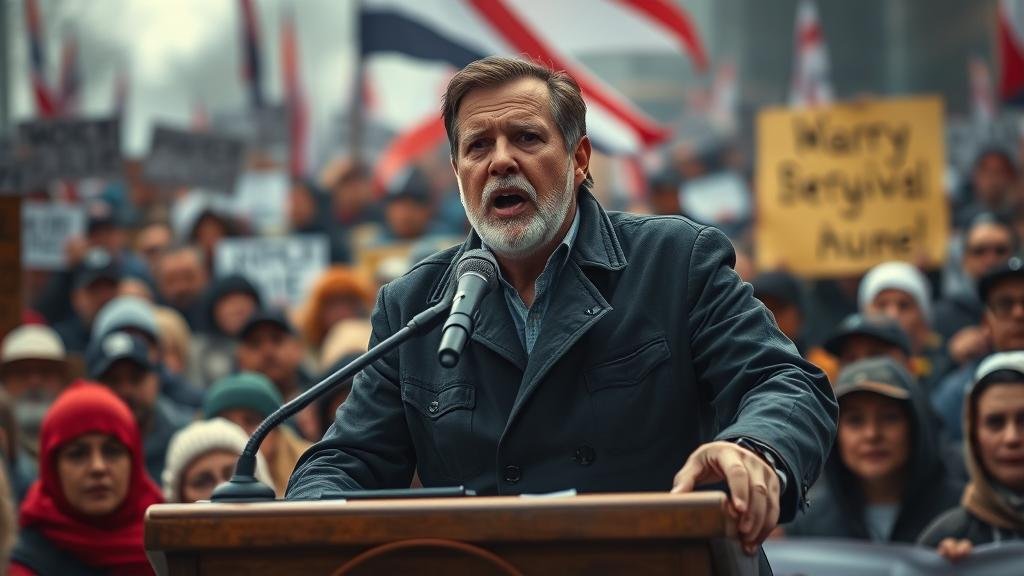
The president of the nation at the heart of the deal didn’t mince words. In a televised national address, he labeled the plan a “betrayal,” and described the moment as “one of the most difficult in our history.” In the world of geopolitics, that’s code for a crisis of epic proportions.
His speech has ignited widespread protests, fueling a national sentiment of anger and abandonment. The mood is tense, as a sovereign nation feels its future is being dictated by external powers.
The Implications of the Peace Plan: A Bleak Future?
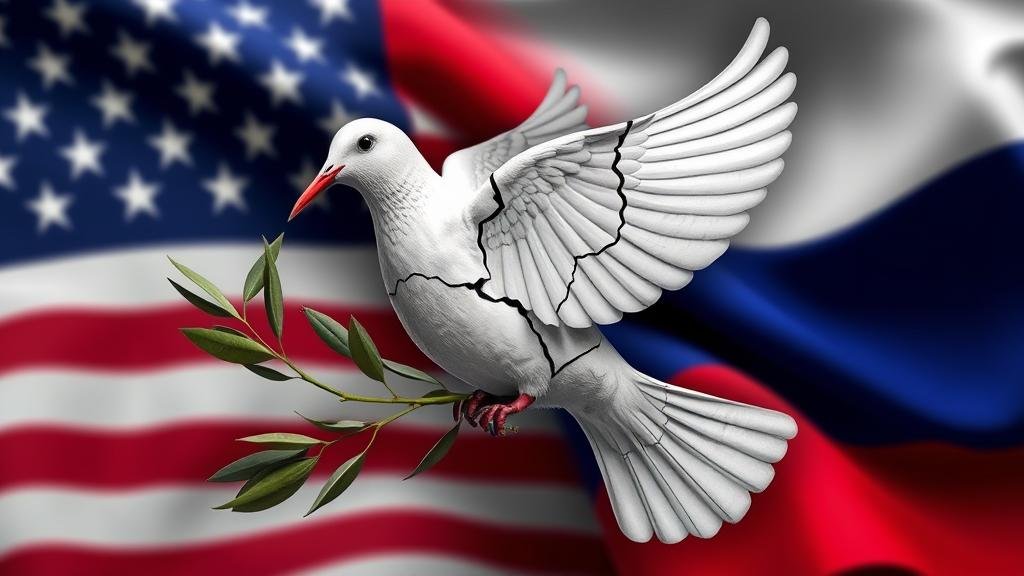
Let’s analyze the potential consequences if this plan is implemented. The geopolitical risks are substantial and could have long-lasting effects.
- A Loss of Sovereignty: The deal could grant Russia significant influence over the country’s future, effectively undermining its national autonomy.
- Increased Instability: Rather than resolving the conflict, the plan might introduce new sources of tension, escalating the risk of further violence. The road to hell is often paved with well-intentioned, but flawed, peace agreements.
- A Humanitarian Crisis: The potential for displaced populations and a refugee crisis is immense. This is a stark reminder that this is not just a political chess match; it’s a situation with real human consequences.
- Economic Collapse: The proposed plan could trigger a severe decline in investment, sending the nation’s economy into a freefall.

Creditnewsinsider: What Does This Mean for Your Finances?
You might be wondering how this geopolitical conflict could possibly affect your personal finances. A crisis of this magnitude has global ripple effects.
- A Fall in Currency Value: A sharp fall in the value of the country’s currency would make imports prohibitively expensive and could lead to rampant inflation.
- A Rise in Unemployment: The economic turmoil could lead to massive job losses, with unemployment rates soaring.
- A Decline in Investment: The instability would likely cause investors to pull out, leading to a stock market crash and a severe decline in investment.
Here at Creditnewsinsider, we are closely monitoring the global economic implications of this situation. We’ll provide the insights you need to protect your finances from these geopolitical shockwaves.
What Can You Do?
It’s easy to feel helpless in the face of such a monumental crisis, but there are actions you can take.
- Contact Your Elected Representatives: Let them know that you are paying attention to the geopolitical risks and the potential for a humanitarian crisis.
- Support Aid Organizations: Contribute to organizations that are on the ground providing direct assistance to the people affected by the conflict.
- Donate to Reputable Charities: Give to charities that are focused on providing humanitarian aid in the region.
- Share This Blog Post: Knowledge is power. Keep your network informed about the situation.
The future of an entire nation hangs in the balance. It’s a collective responsibility to help in any way we can.