The Federal Reserve is Hinting at a 2024 Rate Cut: What That Means for Your Wallet
Alright, let’s talk about the Federal Reserve. I know, it sounds as exciting as watching paint dry, but stick with me. When one of the Fed’s head honchos, John Williams, starts dropping hints about interest rate cuts in 2024, it’s like Dumbledore whispering a clue to Harry Potter. You lean in, you take notes, and you try to figure out what it means before your financial life gets hit with a rogue Expelliarmus.
Williams recently muttered something about having “room for a further adjustment” in borrowing costs. To the average person, that sounds like corporate jargon. But in the world of finance? That’s the Bat-Signal for a potential interest rate cut.
So, what’s the deal? And more importantly, does this mean your credit card will finally stop laughing at your attempts to pay it down? Let’s break down the latest Fed policy signals.
Who is This John Williams Guy, Anyway?
First off, John C. Williams isn’t just some guy named John who’s really good at spreadsheets. He’s the President of the Federal Reserve Bank of New York. Think of him as the Captain America of the financial world—a key player with a permanent spot on the team that decides America’s interest rates (the FOMC).
Basically, when he talks, Wall Street listens. His opinion carries so much weight that his public statements are basically movie trailers for future Fed policy. And his latest trailer just hinted at a major plot twist after two years of the same old “hike rates, hike rates, hike rates” storyline.

Decoding the “Further Adjustment” Message
For what feels like an eternity, the Fed’s favorite phrase has been “higher for longer.” But Williams’ recent comments suggest they might be ready to change their tune.
He said he expects the Fed can lower its key rate because the threat of a weakening job market is starting to look scarier than the ghost of inflation past. For two years, inflation was the big bad villain. Now, the Fed is looking at the labor market risks and thinking, “Uh oh, maybe we overdid it.” The risks are becoming “more balanced,” which is Fed-speak for, “We’re trying to land this economic plane without crashing it into a recession.”
This “adjustment” he mentioned? Everyone with a calculator and a pulse is reading it as a “rate cut.” It’s a signal that they might finally ease up on the borrowing costs that have been squeezing everyone from homebuyers to small businesses, impacting overall economic growth.
The Data That Made the Fed Go “Hmm…”
So, what caused this sudden change of heart? It was data. Boring, beautiful data. The Fed lives and dies by numbers, and the latest batch has them thinking it’s time for a new game plan for 2024.
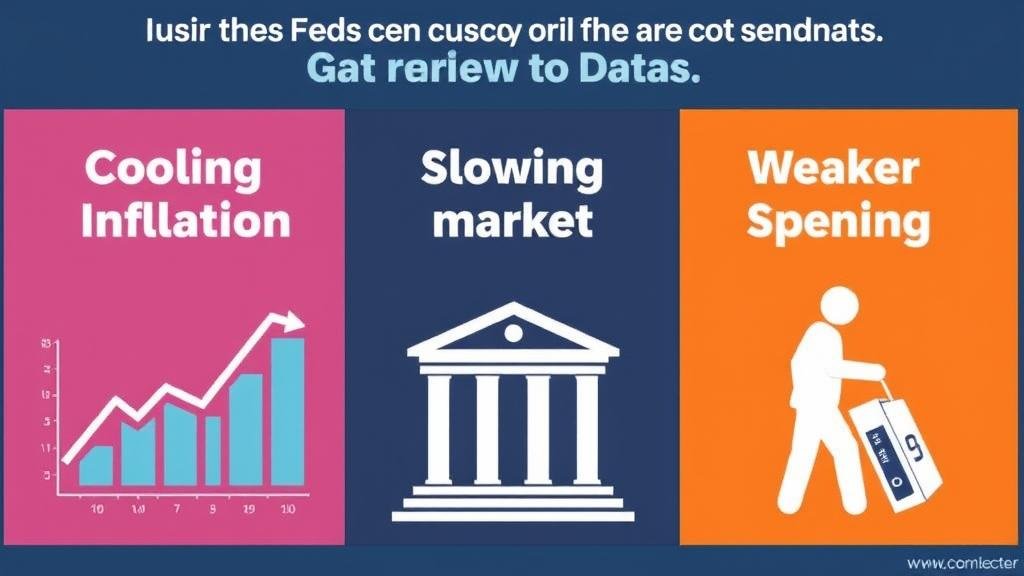
Here’s the quick and dirty breakdown:
- Inflation is Finally Taking a Chill Pill: The main price index (the CPI) has been calming down, getting closer to the Fed’s 2% goal. This gives officials the confidence to say, “Okay, maybe our master plan to control inflation actually worked.”
- The Job Market Is Getting Squishy: While people are still getting hired, the pace has slowed. Williams himself noted that a wobbly job market is now a bigger worry than inflation roaring back to life.
- We’re All Buying a Little Less Stuff: Retail sales, a measure of consumer spending, came in weaker than expected. Turns out, when you make everything more expensive to buy on credit, people… buy less. This signals that consumer spending, the main engine of the economy, is tapping the brakes.
This trifecta of cooling data has the Fed whispering sweet nothings about rate cuts into the market’s ear.
What This Actually Means for Your Wallet
Okay, enough with the high-level stuff. What does a potential rate cut mean for you?
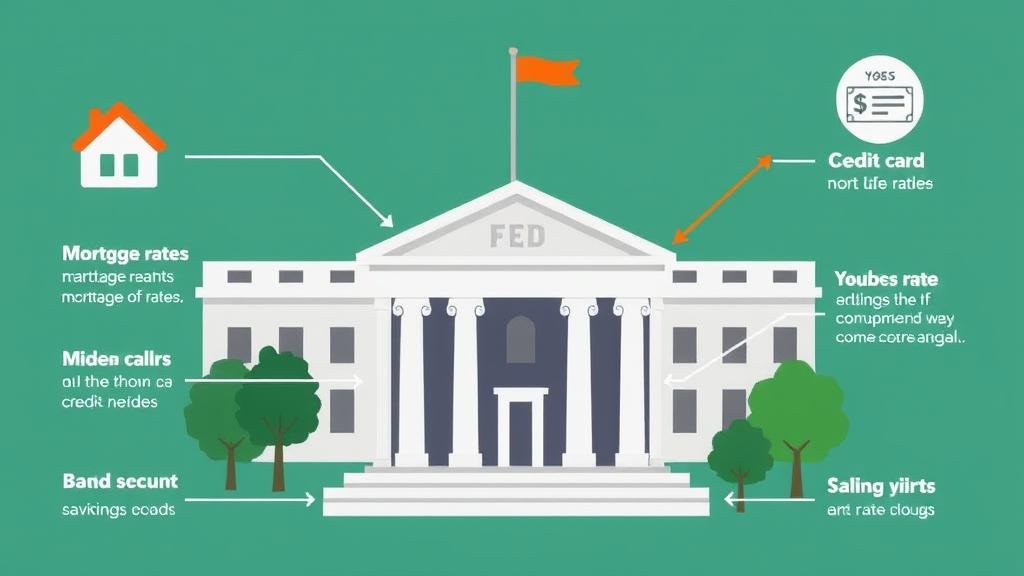
- For Homebuyers and Mortgage Holders: This is the news you’ve been waiting for. A Fed rate cut usually nudges mortgage rates down. That could make buying a house in 2024 slightly less terrifying and might even save you money if you have an adjustable-rate mortgage.
- For Savers (Sorry, I’ve Got Some Bad News): Remember those glorious 5% rates on your high-yield savings account? When the Fed cuts rates, banks usually follow suit and lower the interest they pay you.
- For Anyone with Credit Card Debt: If you carry a balance, a rate cut is your new best friend. Most credit card APRs are tied to the Fed’s rate, so a cut means your interest charges should go down, making it easier to manage debt.
So, Is This Happening or What?
While the odds of a rate cut in 2024 are looking pretty good, don’t pop the champagne just yet. The Federal Reserve is still watching the data like a hawk. If a new report comes out showing inflation doing the Macarena again, they could hit the pause button on any potential interest rate cuts.
The key is to stay informed without making any wild moves. Don’t go run up your credit card thinking rates are about to plummet to zero.
Here’s the CliffsNotes version:
- A Pivot is Brewing: A top Federal Reserve official is hinting that they’re ready to stop fighting inflation so hard and might cut rates to help the job market.
- Data is King: Cool-down numbers on inflation and jobs are driving the conversation around interest rate cuts in 2024.
- Your Wallet Will Feel It: A rate cut means cheaper mortgage rates and credit card debt, but sadder savings accounts.
What should you do now?
- Stare Down Your Debt: If you have high-interest debt, now’s a great time to get aggressive with payments.
- Look at Your Savings: Appreciate those high yields while they last.
- Stay Tuned: Keep reading stuff like this. The more you know, the less scary this all is.