Federal and Urban Agendas Collide: A High-Stakes Meeting for America’s Cities
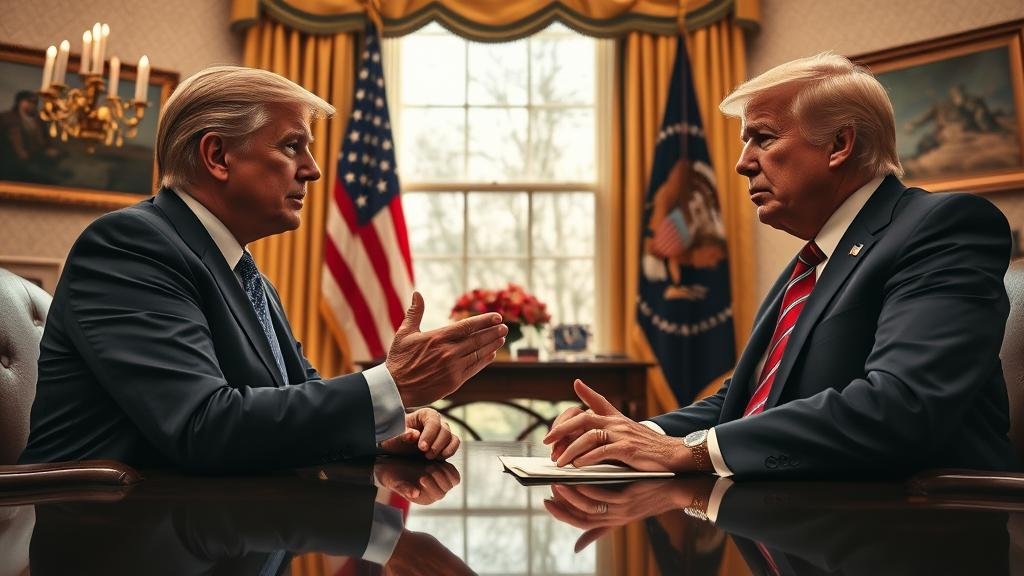
This Friday, a pivotal meeting in the Oval Office will bring together two of the most powerful and ideologically opposed figures in American politics: the President of the United States and the Mayor-elect of New York City. This is more than a courtesy call; it’s a critical stress test for the future of urban-federal relations and a defining moment for government policy on everything from urban affordability to infrastructure investment.
A Tale of Two Agendas: Affordability vs. Deregulation
At the heart of this meeting lies a fundamental conflict in governing philosophies. Mayor-elect Zohran Mamdani, a progressive democratic socialist, comes to the table with a bold and costly vision for New York City. His agenda is laser-focused on tackling the city’s housing crisis through universal rent control, a massive expansion of public housing, and a comprehensive municipal Green New Deal. These ambitious proposals are central to his promise of creating a more equitable and affordable city, but they require significant federal funding.
On the other side of the table, President Donald Trump represents a starkly different approach. His administration has consistently prioritized deregulation, tax cuts, and a reduced federal footprint in local affairs. The White House has signaled a focus on “mutual interests” like infrastructure, but their visions for what that entails are worlds apart. The President favors large-scale, public-private partnerships, while the Mayor-elect advocates for community-led projects and sustainable transit solutions. This ideological gap raises serious questions about the potential for common ground and the future of fiscal policy in our nation’s cities.
The Economic Stakes: Beyond the Photo-Op
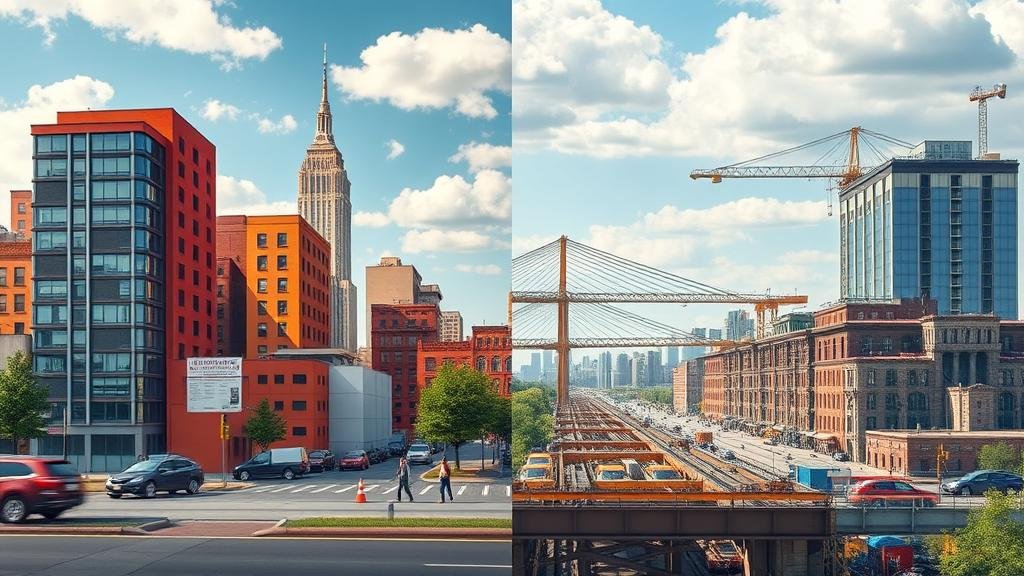
The outcome of this meeting will have far-reaching implications that extend beyond the political theater. A successful negotiation, even on a small scale, could pave the way for a more cooperative relationship between Washington D.C. and America’s urban centers. For our readers, this could directly impact housing markets, access to small business loans, and the overall climate for economic development.
However, a contentious meeting could trigger a prolonged political battle, pitting New York City against the federal government in a struggle over funding and autonomy. Such a conflict would not only hinder progress in New York but also send a chilling message to other cities pursuing innovative, independent policies. This is a critical juncture where political personalities could shape economic realities for millions of Americans.

A Bellwether for Future Urban-Federal Relations
This meeting is more than just a clash of personalities; it’s a bellwether for the future of American governance in an era of deep political polarization. It’s a test of whether our democratic institutions can find a way to bridge the divide between competing ideologies and work together to solve the pressing challenges facing our cities.
As the worlds of politics and finance become increasingly intertwined, understanding the implications of these high-stakes negotiations is more important than ever. We will continue to monitor this story closely, providing the insights you need to navigate the evolving landscape of urban affordability, government policy, and economic growth.