The Trillion-Dollar Weight-Loss Shot: How GLP-1 Drugs Catapulted Eli Lilly and Novo Nordisk
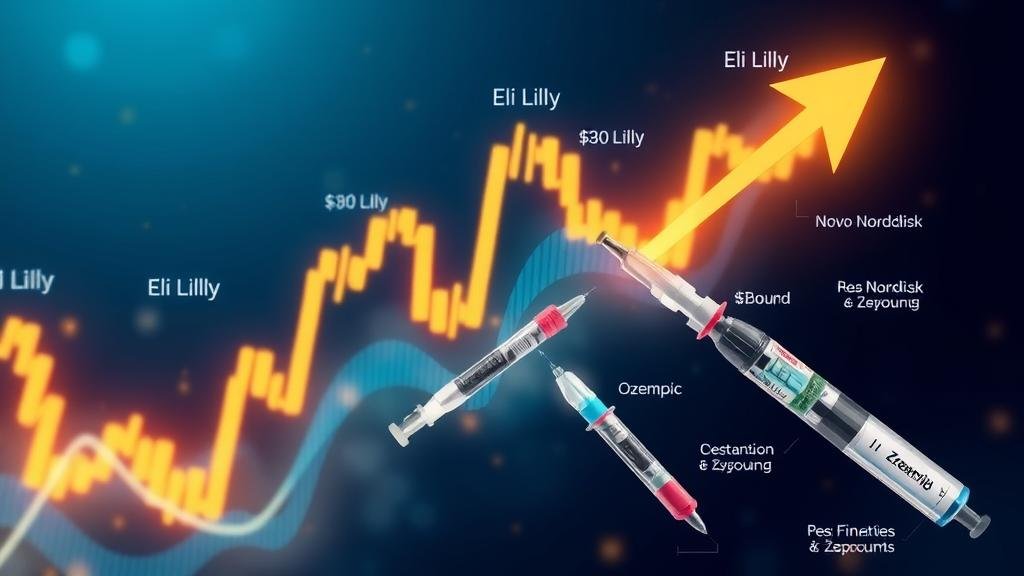
The financial markets are captivated by a new blockbuster story, and it’s not about tech or crypto—it’s about the staggering rise of pharmaceutical stocks. Giants Eli Lilly ($LLY) and Novo Nordisk ($NVO) have seen their stocks surge by over 40% this year, fueled by a revolutionary class of weight loss drugs that are transforming the fight against obesity and diabetes. You know the names: Ozempic, Wegovy, Mounjaro, and Zepbound. These aren’t just medications; they’re a cultural and financial phenomenon.
This explosive growth is more than a scientific breakthrough; it represents a gold rush of unprecedented scale. The demand for these treatments has outstripped supply, creating a frenzied market and highlighting the immense power of healthcare innovation.
The Science Fueling the Surge
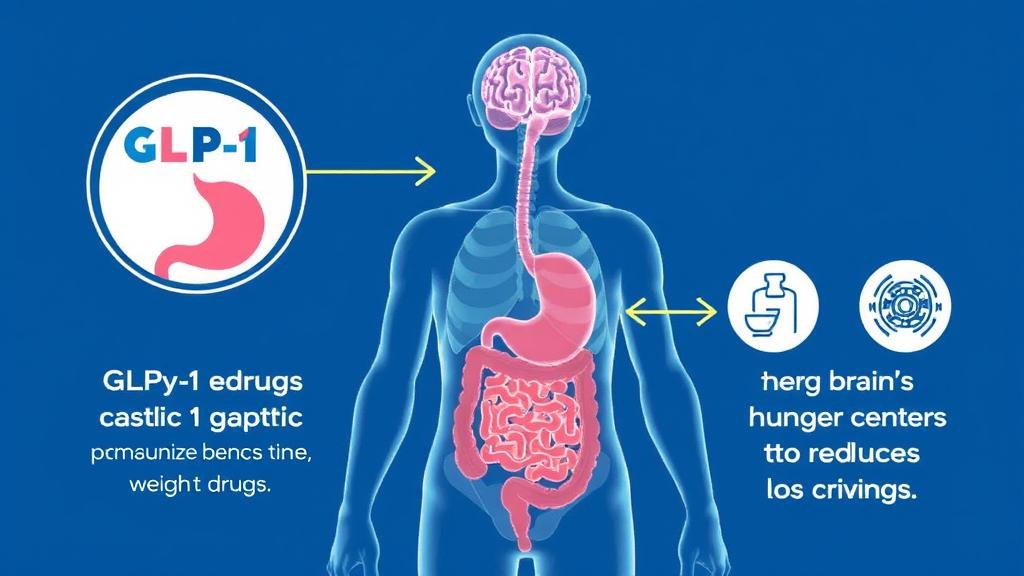
To grasp the market excitement, it’s essential to understand the science behind these game-changing drugs. At the heart of this revolution are GLP-1 receptor agonists. Originally developed for type 2 diabetes, these drugs mimic a gut hormone that regulates blood sugar and, crucially, induces significant weight loss.
Here’s the mechanism of action:
- Delayed Gastric Emptying: The drugs slow down digestion, promoting a prolonged feeling of fullness and reducing overall appetite.
- Neurological Impact: They target the brain’s hunger centers, effectively curbing cravings.
- Improved Glycemic Control: A primary benefit for diabetes patients, this also enhances overall metabolic health.
The results have been extraordinary, with patients experiencing 15-20% body weight loss—a figure previously achievable only through bariatric surgery. This has unlocked a massive market beyond diabetes, leading to a surge in demand and a spectacular investment opportunity.
From Breakthrough to Billions: The Financial Gains
The market’s reaction has been nothing short of explosive. By late 2024, Eli Lilly and Novo Nordisk have become darlings of the stock market.
- Eli Lilly ($LLY): The Indianapolis-based company briefly joined the exclusive trillion-dollar valuation club, driven by its powerful duo, Mounjaro and the newly approved Zepbound. Investors have flocked to $LLY, recognizing the immense potential of its drug development pipeline.
- Novo Nordisk ($NVO): The Danish creator of Ozempic and Wegovy became Europe’s most valuable company, surpassing luxury conglomerates. The demand for its weight loss drugs has been so intense that the company has faced challenges in scaling up production to meet global needs.
The dramatic stock appreciation of over 40% for Eli Lilly underscores the monumental impact of these innovations, cementing this as a landmark moment in financial history.
A High-Stakes Pharmaceutical Rivalry
With billions at stake, the pharmaceutical rivalry between Eli Lilly and Novo Nordisk has intensified. The latest battleground is pricing, with Novo Nordisk announcing price cuts to compete with Eli Lilly’s strategy for Zepbound. This price war is welcome news for patients, who have faced high monthly costs, and signals a new competitive phase focused on market access.
The Future of Weight Loss: What’s Next?
The journey for these companies is far from over. Both are heavily investing in research and development to pioneer the next wave of treatments. Key areas of focus include:
- Oral Formulations: Developing pill-based versions of these drugs would be a game-changer, offering a more convenient alternative to injections.
- Expanded Indications: Researchers are exploring the potential of these drugs to treat other conditions, such as heart disease, kidney issues, and even addiction, which could further expand the market.
- Increased Production: Both companies are aggressively building new manufacturing facilities to address the overwhelming demand.
For investors, the critical question is the sustainability of this pharma stock growth. While the potential is undeniable, challenges such as new competitors, pressure from insurance providers, and long-term efficacy data remain.
The Bottom Line
The remarkable ascent of Eli Lilly and Novo Nordisk demonstrates how a single scientific breakthrough can reshape an entire industry. The 40%+ surge in their stock prices is a clear market endorsement of the transformative power of their GLP-1 drugs. This is a compelling story of science, finance, and human desire, with the “fat profits” showing no signs of diminishing.