The Fed May Finally Cut Interest Rates: A Guide for Your Personal Finance
Alright, let’s talk about the Federal Reserve. I know, I know—it sounds about as exciting as watching paint dry. But stick with me, because a key official just said something that could be the financial equivalent of finding an extra fry at the bottom of the bag.
That official is John Williams, the president of the New York Fed (a certified Big Deal™), and he whispered a few magic words about having “room for a further adjustment” in borrowing costs. In normal human-speak, that’s like your dad, after saying “no” to a puppy for years, finally saying:
The whispers are getting loud. Let’s decode what this means for your personal finance and your actual, real-life wallet.

The Hint That Rocked the Boat
For what feels like several geological epochs, the Fed’s only song has been “Raise the Rates,” a real banger that made our mortgage rates, car loans, and credit card bills more expensive after every FOMC meeting. But in a recent interview, John Williams hinted that the band might be playing a new tune.
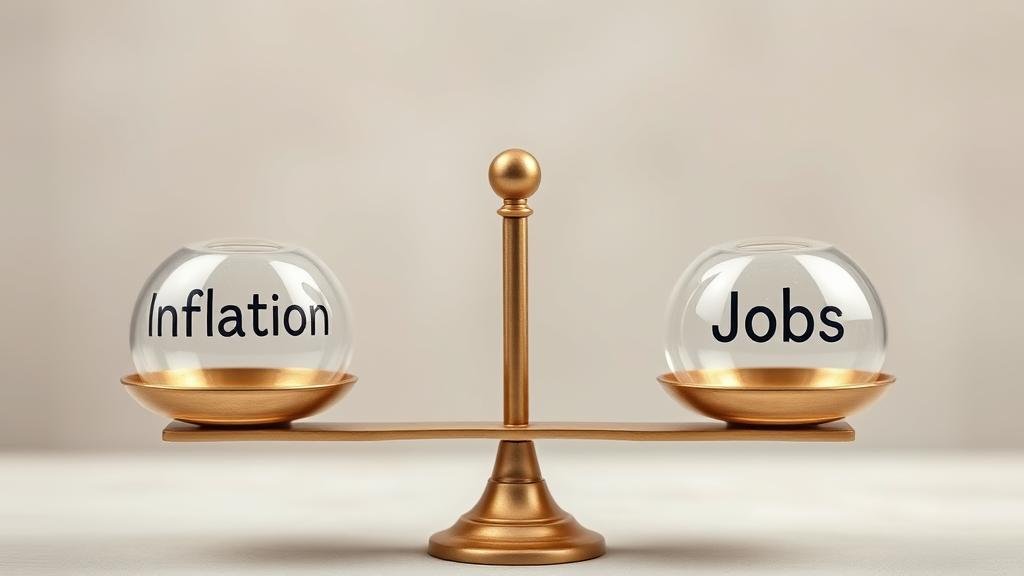
He said he expects the Fed “can lower its key rate from here as labor market weakness poses a bigger threat than inflation.” Cue dramatic pause. This is huge. It’s like the head coach suddenly worrying more about the offense getting tired than the other team scoring. The Fed’s focus might be pivoting from wrestling inflation to the mat to making sure the economy doesn’t slide into a recession.
So yes, “room for a further adjustment” is the politest, most boring way to say, “Hey, we might actually cut interest rates soon.” After an endless parade of hikes, this is the first real sign that the tides might be turning.
Reading Between the Fed’s Very Dry Lines
So, why the change of heart? It all boils down to the Fed’s impossible dual mandate: keep prices stable and keep everyone employed. It’s the financial version of trying to pat your head while rubbing your stomach and also reciting the alphabet backward. For two years, they’ve been laser-focused on “stable prices.” Now, with new economic data, the other part is getting some love.
Inflation is Finally Chilling Out
The main reason the Fed can even think about an interest rate cut is that inflation, the party guest who overstayed its welcome, is finally starting to pack its bags. It’s not at the Fed’s 2% target yet—more like it’s still loitering in the driveway—but the progress is solid. This gives the central bank some breathing room to focus on overall financial stability.
The Job Market is Getting a Little Winded
Williams specifically called out “labor market weakness.” The job market has been the economy’s star athlete for a while, but now it’s showing signs of fatigue. Job growth is slowing, and paychecks aren’t growing as fast. A cooler job market helps fight inflation (good!), but if it cools too much, we risk a recession (very, very bad!). Williams’ comments suggest the Fed is now officially worried about the “very, very bad” part.

What a Rate Cut Means for Your Bank Account
Okay, let’s get to the good stuff. What does a potential rate cut actually do for you?
- For Borrowers: This is your moment. A rate cut is the coupon you’ve been waiting for. We could see lower interest on Mortgage Rates, auto loans, and even notoriously stubborn credit card APRs.
- For Savers: Ahem. The news isn’t as fun. A rate cut means you’ll earn less interest on High-Yield Savings Accounts and CDs (certificate of deposit). If you’ve enjoyed juicy returns, lock in a long-term CD now.
- For Investors: The stock market heard Williams’ comments and basically threw a party. Lower borrowing costs are like catnip for stocks as companies can borrow cheaply to grow.
The Big Question: So… When?
Williams’ comments have cranked up the odds of a rate cut as early as the December FOMC meeting. Is it a guarantee? Absolutely not. The Fed makes decisions based on economic data, and if inflation decides to throw a surprise comeback tour, all bets are off.
Think of the Fed as a chef constantly tasting a soup. They’ll be tasting the economic data every day until their next meeting.

Your Homework from Creditnewsinsider
Alright, don’t just sit there—be proactive! Here’s your to-do list:
- Tackle Your Debts: If you have high-interest credit card debt, now’s the time to attack it. A future rate cut could be your chance to refinance and lower your borrowing costs.
- Lock It In, Savers: If you’re a saver, consider grabbing a long-term CD to lock in today’s high rates before they become a thing of the past, like Blockbuster Video.
- Stay in the Loop: By staying informed on your personal finance, you can make smarter moves instead of just reacting.
The Final Word
John Williams’ comments are a pretty big deal. They’re a glimmer of hope that the era of wince-inducing interest rates might finally be ending. While nothing’s set in stone, the whispers of an interest rate cut are definitely getting louder.
And we’ll be here, decoding the jargon and cracking bad jokes through it all. Because understanding this stuff empowers you to own your financial future. 📈