US-Russia Peace Plan for Ukraine: Europe on Edge as Backroom Deals Emerge
Let’s dive into the drama of international diplomacy, which right now feels like a global-scale reality show where alliances are tested and the script is being written in secret. A nervous energy is rippling through Europe, and it’s not just the winter chill. It’s the sound of hushed conversations about a potential US-Russia peace plan for Ukraine, a deal that could be brokered without any European leaders in the room.
Imagine your most trusted friends planning your future without you – that’s the predicament for Europe. The thought of a secret deal that might force Ukraine into making devastating concessions has our allies crying foul, with a unified message: “Peace cannot be capitulation.” It’s a diplomatic way of asking, “What are you doing, and why weren’t we invited to these peace talks?”
The tension escalated when high-ranking US officials reportedly visited Kyiv with a message that was less about solidarity and more about a “tough love” approach to ending the war. The exact details of this “hardline message” are still murky, but the panic it has induced is as clear as day.
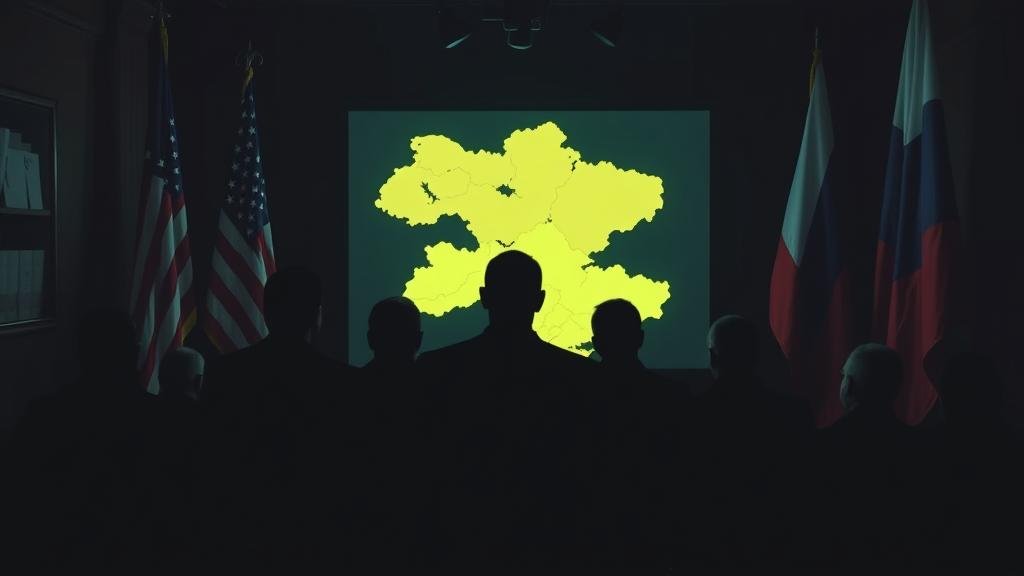
The Alarming Silence Around the US-Russia Deal
The real cause for alarm isn’t just the rumors, but the deafening silence from Washington. This, combined with whispers of a back-channel proposal between the US and Russia, has put everyone on high alert. The lack of transparency is making European leaders extremely nervous about the future of Ukraine’s sovereignty.
From the perspective of the EU, any Ukraine peace plan that doesn’t include Ukraine and its allies in the drafting process is a complete non-starter. This isn’t a situation where one party dictates the terms.
The phrase, “Peace cannot be capitulation,” is a powerful statement against rewarding aggression, a cornerstone of the post-war international order.
The core fear is that the US, juggling multiple geopolitical crises and with an eye on domestic politics, might see a frozen conflict as a pragmatic, albeit messy, solution. For Ukraine, victory is straightforward: the restoration of its territory. For some in Washington, a negotiated stalemate, leaving parts of Ukraine under Russian control, might seem like a way to contain the issue. This is where the goals dangerously diverge.
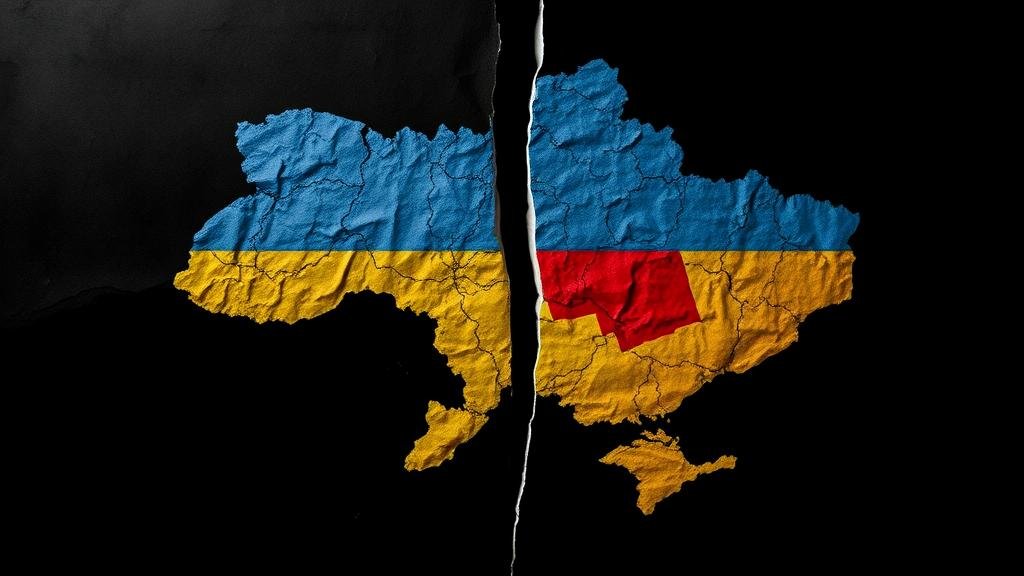
The Nightmare of Territorial Concessions
This is where the situation gets genuinely frightening. The rumored deal, sometimes dubbed the “Trump peace plan,” could demand that Ukraine make “sweeping concessions.” While unconfirmed, the potential terms are alarming. Would Ukraine be forced to give up land? Would it be pushed into a “neutral” status, effectively barring the door to NATO forever? These are the questions keeping diplomats—and the world—up at night.
For Eastern European nations, many of which have their own painful history with Russian dominance, this scenario is a red alert. They view Ukraine’s struggle as their own. A deal that rewards Russia for its invasion would set a dangerous precedent, essentially telling aggressors that they can get away with it.
And let’s not forget the economic angle. A weakened, unstable Ukraine would mean prolonged instability in Europe, which is bad for the global economy. Rewarding aggression is not just morally wrong; it’s bad for business. International diplomacy has real-world consequences for everyone.
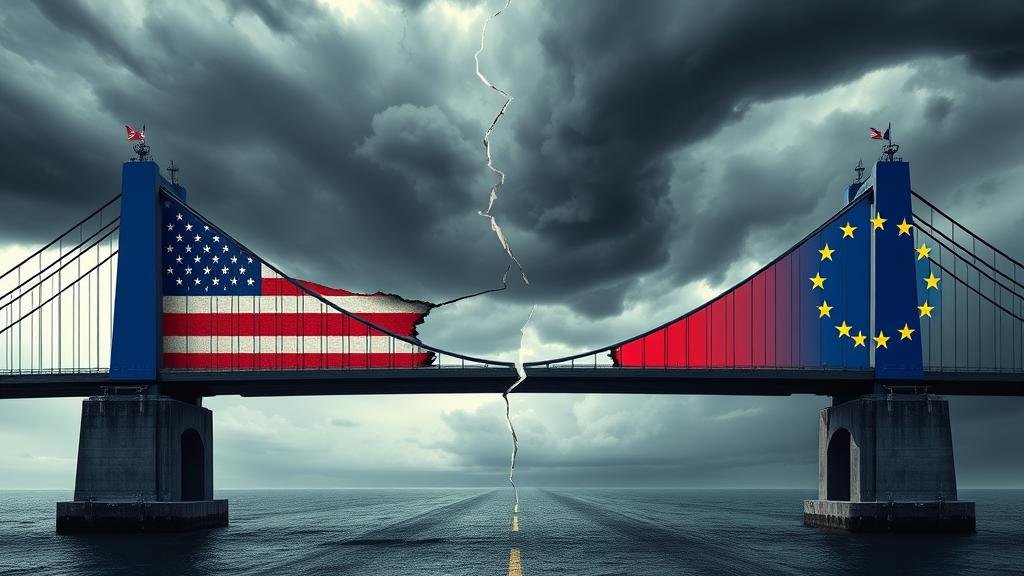
A Transatlantic Alliance Under Strain
The current situation is exposing the growing divergence between US and European long-term goals. While both are committed to supporting Ukraine, their strategies and priorities are clearly misaligned. The US is playing a global chess game, trying to counter China while managing a crisis in Europe. For Europe, that crisis is on their doorstep.
This isn’t a new phenomenon, but the Ukraine peace talks have brought it into sharp focus. The perception that the US is once again acting unilaterally, or forgetting to include its partners in crucial decisions, is resurrecting old frustrations and undermining the unity the alliance has been so careful to project.
The next few months are critical. The allies must find a way to get back on the same page, forging a path that respects Ukraine’s sovereignty while addressing the security concerns of the entire continent. It’s a make-or-break moment for the transatlantic alliance.
The Perilous Road Ahead
So, where do we go from here? The situation is incredibly volatile. The “hardline message” in Kyiv and the rumors of a secret US-Russia deal have created a diplomatic minefield. European leaders are right to be alarmed, and their insistence that peace cannot mean surrender must be heard.
The decisions made in Washington, Moscow, and Kyiv will have far-reaching consequences for global security and the world economy. The world is watching, hoping that the key players can negotiate a peace that is just, sustainable, and worthy of the name.