The “Autism Epidemic”: Decoding the Myth and Embracing Neurodiversity
The term “autism epidemic” is a phrase that carries weight, echoing at family gatherings and in political debates. It sounds alarming and authoritative, making it a powerful headline. However, many alarming and authoritative-sounding things, like “mandatory fun” at a corporate retreat, are not what they seem. Professor Sir Simon Baron-Cohen, a leading expert in the field, argues that the “epidemic” narrative is not only incorrect but also as counterproductive as a screen door on a submarine. It’s time to explore what’s truly happening.
The Myth of the Phony Epidemic
The notion of an autism “epidemic” suggests a contagion spreading rapidly through our communities. But Baron-Cohen, with his extensive career in autism research, urges a calmer perspective. The increase in autism diagnoses is not an outbreak; it is a moment of clarity, where we are “finally getting our glasses.” For many years, we were blind to a significant portion of the population. Our diagnostic tools were outdated, much like using a flip phone in an era of smartphones. In the past, only the most severe cases of autism were recognized. Those who were “high-functioning” or had learned to mask their traits were often dismissed as “quirky,” “shy,” or simply eccentric.
With updated diagnostic manuals, we are not seeing an increase in the number of autistic people but are finally acknowledging those who have been here all along. So, is there an epidemic? No. It is a correction of a historical oversight.
Why the “Epidemic” Label Is Problematic
Calling the rise in diagnoses an “epidemic” does more harm than good. Words have power, and this particular word has serious consequences:
- It creates unnecessary panic. The term “epidemic” is designed to induce fear, turning a natural neurological variation into a threat that must be “stopped.” This increases stigma and anxiety.
- It distracts from the real issues. While the debate over a phantom menace continues, we are failing to address the urgent need for better support in schools, increased job opportunities, and accessible mental healthcare for autistic individuals.
- It promotes a search for a “cure.” The “epidemic” mindset fuels a quest for a “cure” for being oneself. This is not only scientifically questionable but also deeply offensive to many autistic individuals who consider their neurotype a fundamental part of their identity. Instead of trying to “fix” people, we should focus on fixing the environment around them.
Embracing the Neurodiversity Movement
Baron-Cohen is a strong advocate for neurodiversity, the concept that brain differences are natural and should be respected, much like biodiversity in nature. It is crucial to understand that autism is not a monolith. Knowing one autistic person does not mean you understand autism. Two individuals with an autism diagnosis can be vastly different, each with unique strengths and challenges.
To illustrate this, Baron-Cohen introduces the concepts of systemizing and empathizing as two different brain styles.
- Systemizing is the drive to understand and analyze the rules of a system, whether it’s a car engine, a piece of code, or a musical score.
- Empathizing is the drive to identify and respond to the emotions of others.
Baron-Cohen’s theory suggests that the autistic brain often shows a remarkable talent for systemizing, while finding empathizing more challenging. This does not mean autistic people lack empathy—a common myth—but that they may process and express it differently. This aptitude for systemizing can lead to extraordinary talents.
“These are the people who are driven to understand the world in a very deep way. And they’re the people who are often responsible for our greatest innovations.”
What Should We Do Now?
It’s time to move from awareness to acceptance. Here’s how we can take action:
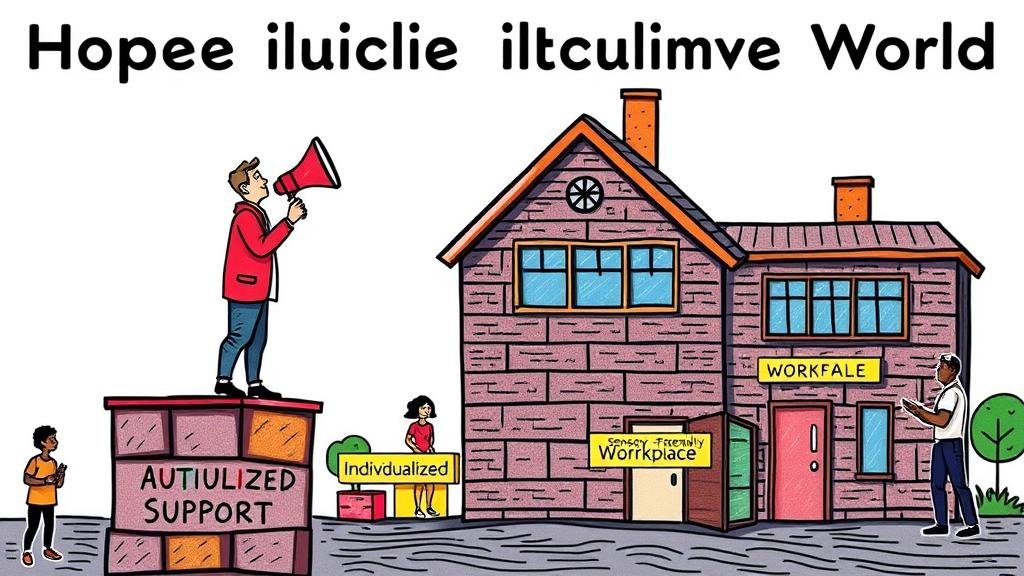
- Amplify autistic voices. The true experts on the autistic experience are autistic people themselves. It’s time to listen to them.
- Invest in individualized support. We need research and support systems tailored to the individual, not a one-size-fits-all approach.
- Create a more inclusive world. Our schools and workplaces should be more accommodating, with sensory-friendly spaces, clear communication, and an appreciation for the unique talents of neurodivergent individuals.
- Educate others. When you hear someone talking about the “autism epidemic,” you are now equipped to correct them. Explain that the rise in diagnoses is a sign of progress, not a plague.
The “autism epidemic” is a ghost story. The reality is far more hopeful. We are finally beginning to appreciate the full spectrum of the human brain, and that is a cause for celebration, not a crisis.