The Economic Impact of a Government Shutdown: What’s at Stake?
While many are focused on holiday preparations, Washington lawmakers are engaged in a familiar standoff over the federal budget, raising the threat of a government shutdown. This recurring high-stakes negotiation creates significant economic uncertainty and could impact millions of Americans. Let’s explore the complexities of this legislative impasse and its potential consequences.
The Annual Budget Standoff: A Story of Partisan Divides
Congress is once again tasked with passing a critical spending bill to fund government operations, but deep partisan divides have transformed this routine process into a high-stakes drama. The House and Senate are considering different versions of the funding bill, and reaching a consensus remains a significant hurdle.
A narrow compromise bill passed in the Senate, but its success required bipartisan support, highlighting fractures within the majority party. The bill’s future in the House is far from certain, as disagreements over policy riders—supplementary provisions used as leverage—continue to fuel the conflict. This stalemate on the federal budget holds the government’s operational stability in the balance.
Healthcare Costs: The Core of the Legislative Disagreement
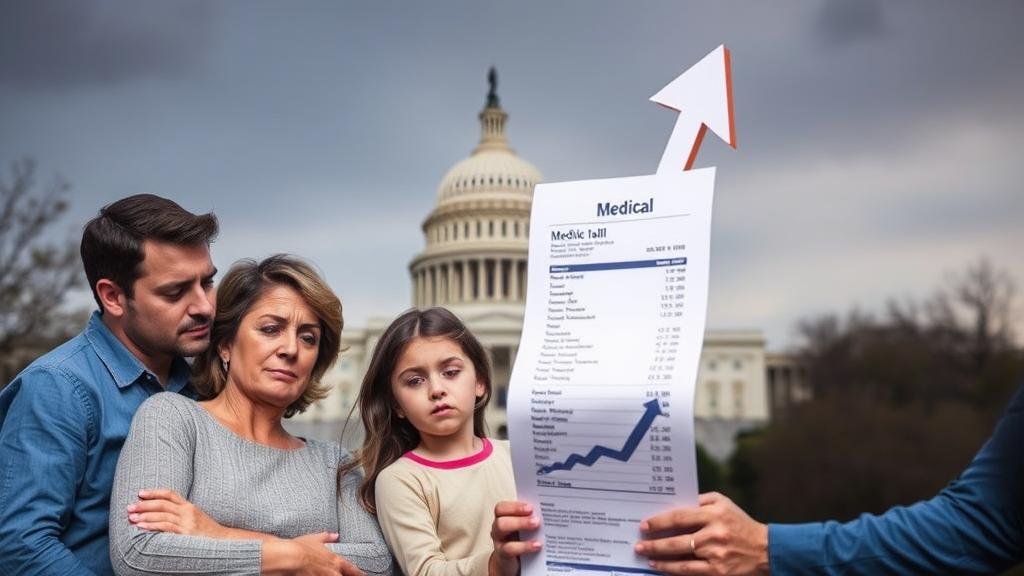
The central issue preventing a resolution is healthcare. House leadership has vowed to oppose the Senate’s bill due to a disagreement over extending health subsidies that are set to expire. The debate centers on the potential for a sharp increase in healthcare costs for millions of families if the subsidies are not continued.
This single issue has become the primary obstacle to funding the government. The failure to find common ground on healthcare is not just a political maneuver; it poses a tangible threat to the financial planning and stability of households across the country, holding the entire government funding process hostage.
The Real-World Economic Impact of a Shutdown
A government shutdown is more than a political headline; it is a preventable financial crisis with far-reaching consequences.
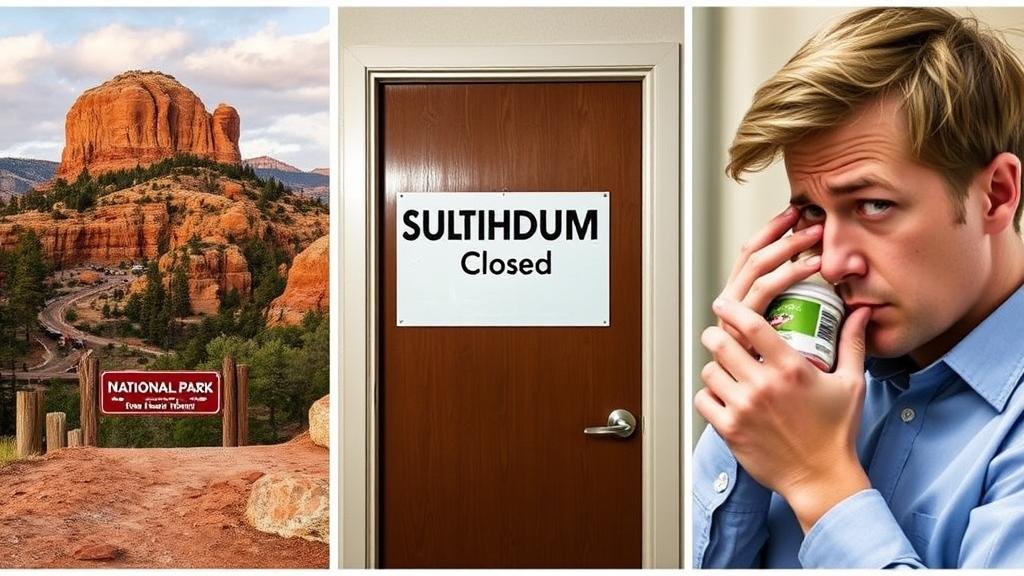
- »Federal Workforce: Hundreds of thousands of federal workers face furloughs, meaning they are sent home without pay. While back pay is typically issued after a shutdown ends, it does not alleviate the immediate financial strain of meeting obligations like mortgage payments and daily expenses. Essential employees must continue to work without a paycheck, creating immense personal and financial stress.
- »Government Services: A shutdown disrupts critical government services. National parks may close, passport processing can be delayed, and small businesses that contract with the government could face a catastrophic loss of income.
- »Economic Uncertainty: Shutdowns can destabilize financial markets, creating broad economic uncertainty. This instability can directly affect your 401(k) and investment portfolio. A prolonged shutdown could even threaten the timely distribution of Social Security checks and tax refunds, creating a ripple effect throughout the economy.
A Path to Compromise? The Role of a Continuing Resolution
Is there a way to avoid this economic fallout? Congress often resorts to an eleventh-hour deal in the form of a “continuing resolution” (CR). A CR is a temporary funding measure that keeps the government running for a few weeks or months, effectively postponing the debate without solving the underlying budgetary disagreements.
While a CR is preferable to a shutdown, it is not a permanent solution. It is a temporary fix that ensures another budget showdown will occur when the resolution expires, perpetuating a cycle of economic uncertainty.
A Test of Leadership in a Time of Economic Uncertainty
The coming days will be a crucial test for elected officials. The decision to prioritize partisan victories over responsible governance will determine whether the country faces another self-inflicted crisis. At a time when many are already feeling economic pressure, a government shutdown would introduce unnecessary and damaging instability.
The American public is left to watch as this game of legislative chicken unfolds. The fundamental duty to serve the country and protect its economic stability hangs in the balance. The clock is ticking.