Europe to US and Russia: Don’t Ghost Us on Ukraine Peace Plan
Let’s dive into geopolitics. Stay with me—I swear this will be more interesting than watching paint dry.
The diplomatic world is currently buzzing with rumors of a back-channel Ukraine peace plan being hashed out between the United States and Russia. This has left the European Union and NATO feeling like they’ve been left on read in the world’s most critical group chat. Their message is clear: any deal concerning European security that is brokered without them is a non-starter.
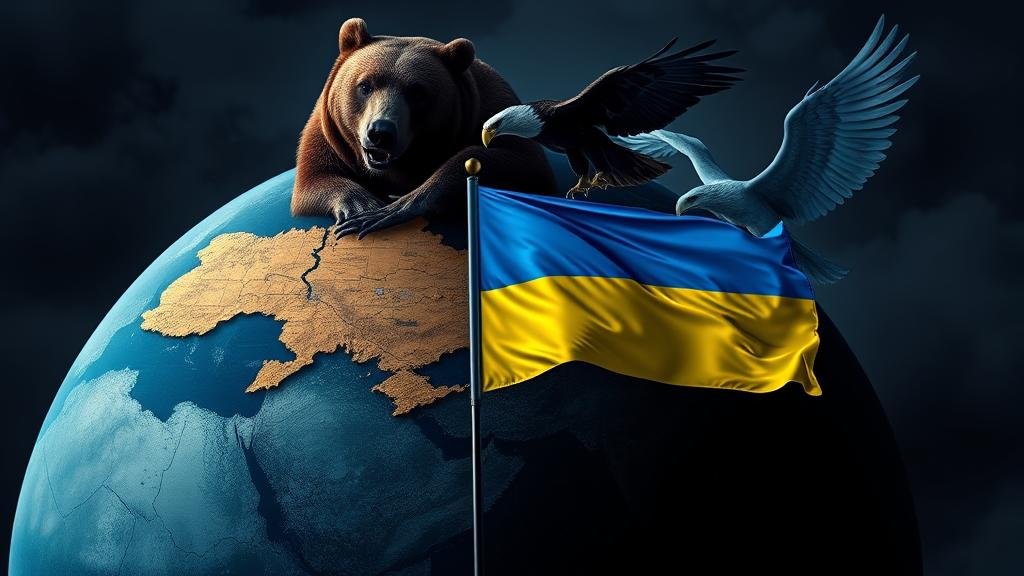
The Specter of Past and Future Deals
Details of this supposed peace deal are scarce, but whispers suggest it could involve a ceasefire in the ongoing Ukraine-Russia conflict in exchange for Ukraine ceding significant territory. This possibility has set off major alarms across Europe. The concern isn’t just about fairness to Ukraine; it’s about the dangerous precedent it establishes for national sovereignty. For decades, the cornerstone of post-Cold War Europe has been the principle that nations choose their own destiny. A deal that carves up Ukraine undermines this, suggesting that might, not international law, makes right. It’s a move that threatens the stability of the entire continent.
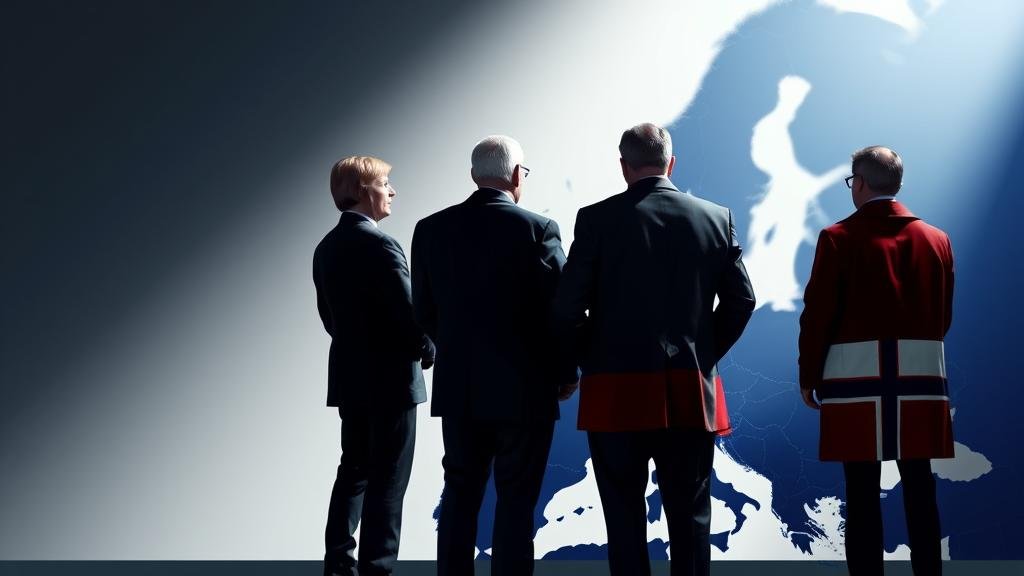
A United European Front
In a rare display of unity, leaders across Europe are speaking with one voice. From the Baltic states, who have long warned of Russian aggression, to the major powers of France and Germany, the consensus is firm: Europe must have a central role in negotiations that determine its own security. The Financial Times noted that Kyiv’s allies “insist more work is needed,” which is diplomatic-speak for “What is the US doing?” Leaders from nations bordering Russia, such as Finland, Latvia, and Estonia, have been even more direct, emphasizing that a Ukrainian victory is essential for defending a “poorly armed Europe.” The urgency is palpable; they are not just asking for a seat at the table but demanding to be part of the firefighting plan for the house next door.
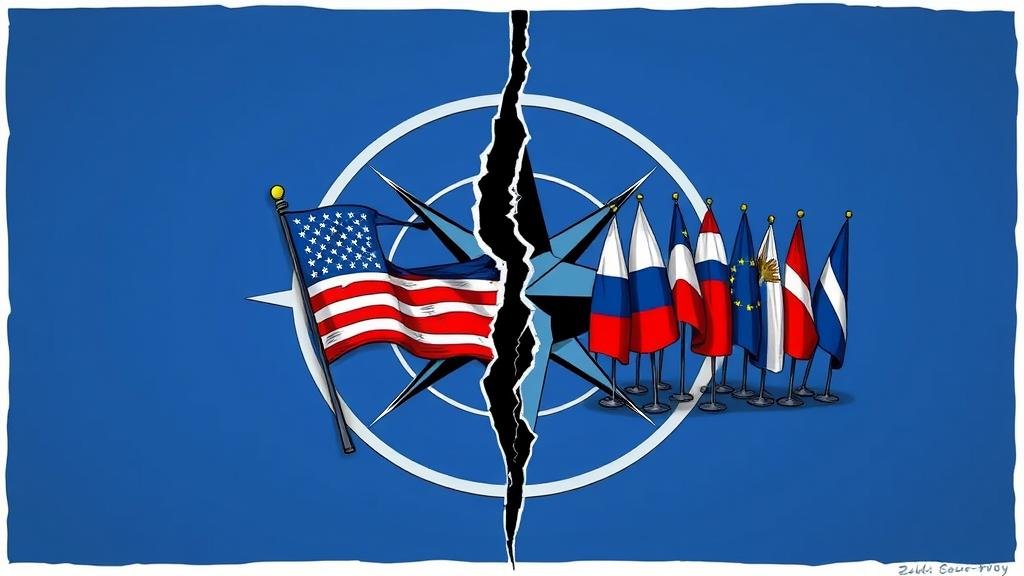
An Existential Test for the Western Alliance
The war initially reinvigorated the Western alliance, giving NATO a renewed sense of purpose. However, the prospect of a bilateral US-Russia deal now threatens to fracture that unity. If Washington is perceived as cutting a side-deal with Moscow, it could shatter the trust that underpins the entire alliance. For frontline states in Eastern Europe, this is not political theater—it’s an existential threat. They have invested heavily in their defense, relying on NATO’s collective security promise. A deal that sells out Ukraine would feel like a betrayal of that core principle, creating a dangerous frozen conflict. As Baltic leaders have warned, “Nato cannot defend Europe from Russia without the US,” a polite but firm reminder to Washington not to abandon its allies.
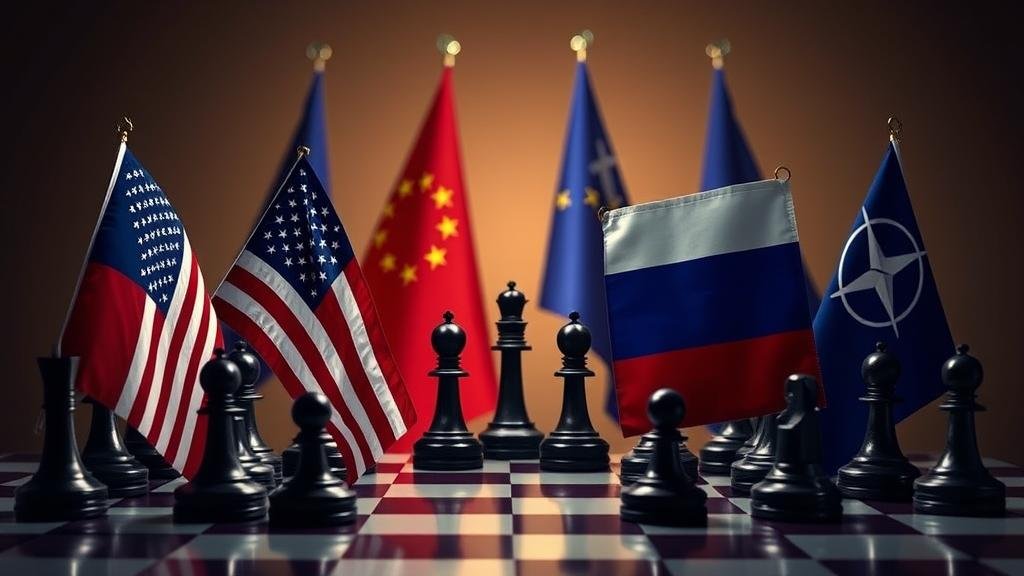
The Only Viable Path Forward
The consensus among EU and NATO leaders is clear: the only path forward is through inclusive diplomacy. They are not necessarily against a peace deal, but they insist it must be grounded in international law and respect for Ukraine’s sovereignty. Crucially, they believe Ukraine must lead any discussion about its own future. Forcing a peace deal on Ukraine would not lead to a sustainable peace; it would only create a ticking time bomb. A genuine, lasting resolution can only be achieved if it has the full support of the Ukrainian people. The coming months will be a critical test for the Western alliance. The US can choose to negotiate with Russia alone, risking a major rift with its closest allies, or it can ensure all stakeholders are at the table. For the sake of global security, let’s hope it chooses the latter.