Europe to US and Russia: Don’t Decide Ukraine’s Future Without Us
That familiar feeling of being left out of major decisions in a group project? Imagine that, but on a continental scale, with the future of Ukraine at stake. That’s the mood in Brussels right now, as EU and NATO leaders are vocally demanding a seat at the table for any Ukraine peace talks. This isn’t just about diplomatic etiquette; it’s a high-stakes push for a voice in shaping a lasting and just peace for Ukraine.
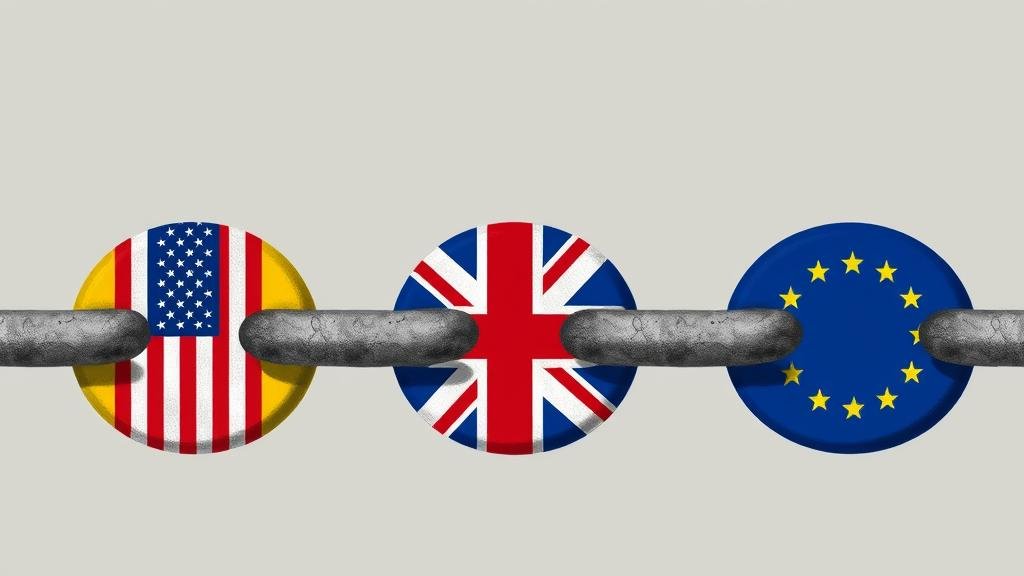
The West’s United Front: A Fading Adrenaline Rush?
At the start of the invasion, the transatlantic community showed remarkable unity. Sanctions were swift, aid flowed, and both NATO and the EU acted with uncharacteristic speed. It was a powerful display of a unified front against Russian aggression.
However, as the Russia-Ukraine war drags on, the initial momentum is waning. War fatigue is setting in, economic costs are mounting, and the complexities of a protracted conflict are testing the resolve of the West. Against this backdrop, European leaders are increasingly concerned about being sidelined in crucial negotiations.
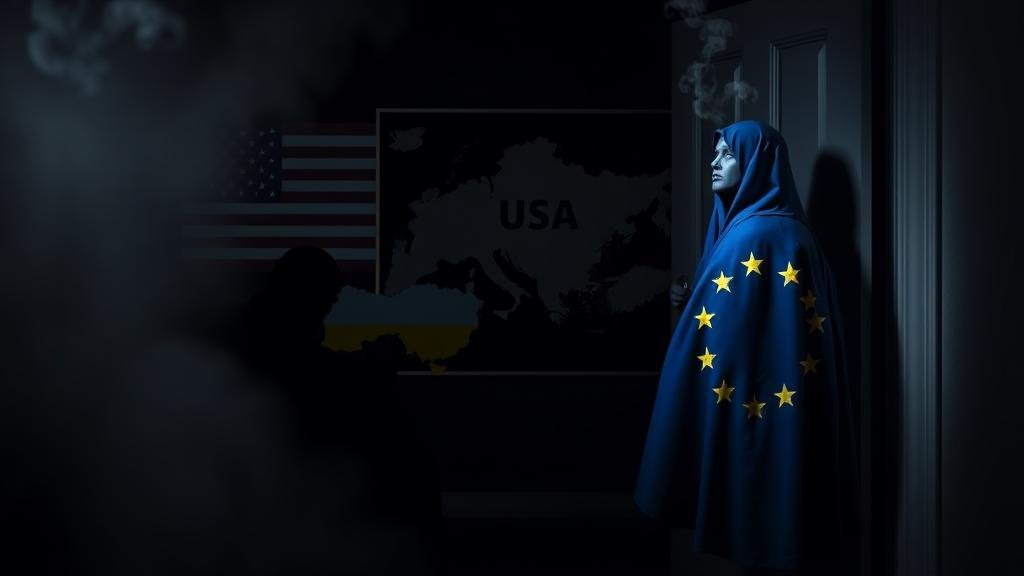
The Fear of a Backroom Deal
Recent reports have highlighted Europe’s anxiety that the U.S. and Russia might negotiate a peace plan for Ukraine without their input. The core fear? A deal that prioritizes a quick resolution over the long-term security of Ukraine and its neighbors, potentially undermining Ukraine’s sovereignty.
This anxiety is rooted in Cold War-era concerns of Europe being a chessboard for superpower politics. European leaders are determined to avoid a repeat, where a deal that looks acceptable from Washington could be a security nightmare for countries bordering Russia. The stakes are too high for a Trump peace plan-style agreement to be made without their involvement.
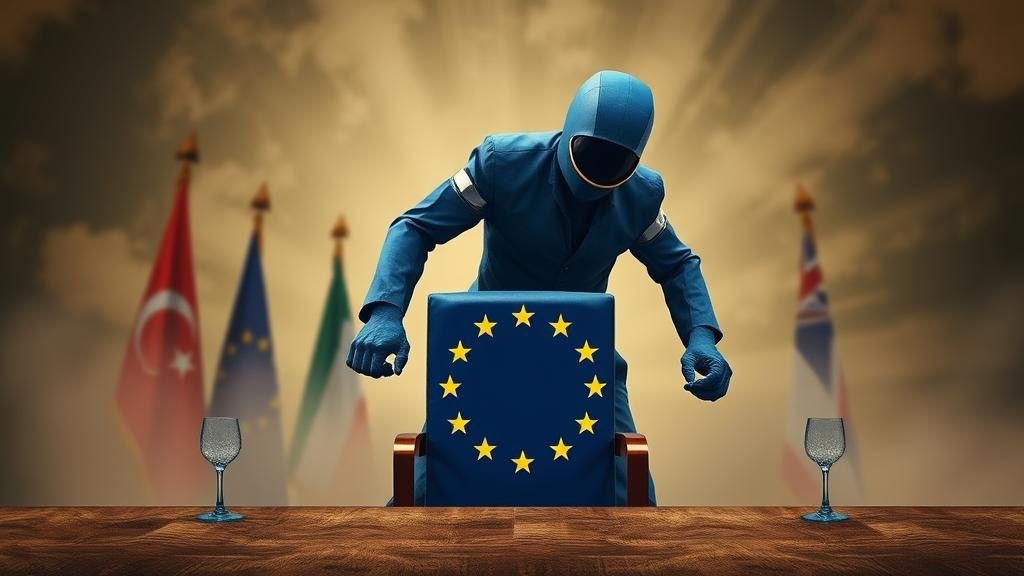
Why Europe Demands a Seat at the Table
The arguments for including Europe in the decision-making process are compelling.
Geopolitical Realities
The war is on European soil. The refugee crisis, economic instability, and the constant threat of escalation are immediate realities for the continent. As one diplomat aptly put it:
“We’re not just stakeholders; we’re in the blast zone.”
The Financial Stake
European nations have borne a significant financial burden, from sanctions that have impacted their own economies to the massive costs of supporting Ukrainian refugees. A rushed or flawed peace deal would be a disastrous return on this investment, paid for by millions of European taxpayers. This is a point that resonates with readers of financial news, who understand the importance of sound investments.
The EU’s Geopolitical Ambitions
The war has been a catalyst for the EU to step up as a global actor. Being excluded from peace talks would undermine this progress and signal a return to a world where only Washington and Moscow call the shots.

The NATO Conundrum
For NATO, the stakes are equally high. The alliance’s response to the war has been a powerful demonstration of its relevance. However, any peace plan for Ukraine must address the contentious issue of Ukraine’s future relationship with the alliance, including the possibility of a NATO-style security guarantee.
Russia’s opposition to NATO expansion and the West’s commitment to a nation’s right to choose its alliances creates a diplomatic minefield. A decision on this issue cannot be imposed by one country; it requires consensus among all 32 members to avoid fracturing the alliance, especially with leaders from around the world, like at the G20 Summit, watching closely.
The Path to a Lasting Peace
The message from Europe is clear: a sustainable peace requires a collective effort. The goal is not just to be included in the conversation but to ensure that the outcome of this devastating war reflects the values and security interests of the entire transatlantic community. European voices are growing louder, and the world is watching to see if the West can maintain its unity in this pivotal moment to secure a lasting and just peace.