The Geneva Summit: A Deep Dive into the US-Ukraine Peace Plan and its Controversies
International diplomacy can often feel like a high-stakes group project where consensus is elusive and the deadline is always looming. This is the current climate in Geneva, where the United States, Europe, and Ukraine are gathered to discuss a proposed “28-Point Peace Plan” aimed at ending the war. While any prospect of peace is welcome, this particular plan is being met with significant skepticism from both Kyiv and several European nations. This analysis will explore the reasons behind the diplomatic apprehension surrounding this peace initiative.
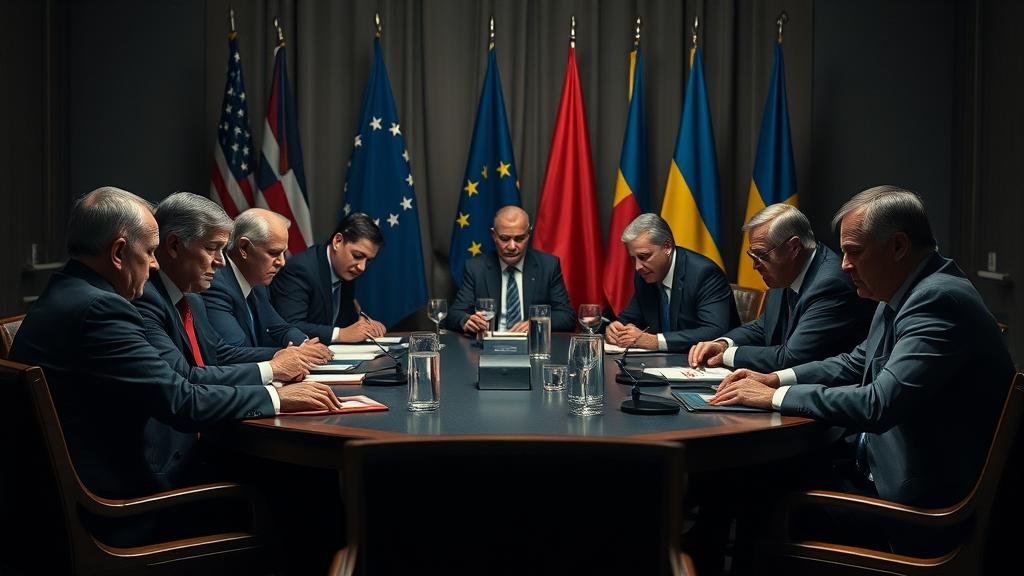
The Geneva Summit: A Glimmer of Hope or a Prelude to Discord?
Geneva, a city synonymous with high-level negotiations, is the host of this critical summit. The atmosphere, however, is tense. While dialogue is a positive step, the substance of the proposed plan is a major point of contention. The war has inflicted immense human suffering and economic turmoil, making the prospect of a ceasefire highly appealing.
However, reports from AP News indicate that Ukrainian and European officials have expressed serious reservations. Their primary concern is that the plan may compel Ukraine to make “major concessions to Russia,” a scenario that many view as an unjust resolution to the conflict.

Deconstructing the 28-Point Plan
The full details of the 28-point document remain confidential, but leaked information suggests a pragmatic approach focused on ending the conflict rather than securing a decisive victory for Ukraine. This has led to widespread unease among the involved parties.
The Contentious Issue of Concessions
The term “concessions” in this context refers to significant compromises that Ukraine may be forced to make.
- Territorial Integrity: The plan may require Ukraine to relinquish control over territories currently occupied by Russia. For Ukraine, whose national identity is deeply connected to its 1991 borders, this is a particularly difficult pill to swallow.
- NATO Aspirations: Another potential stipulation is that Ukraine abandons its ambitions to join NATO. This would leave the nation in a precarious security position, relying on assurances that have proven unreliable in the past.
- Economic Sanctions: There is also speculation that the plan could involve lifting some economic sanctions against Russia. This is a controversial move, as many believe it would be seen as rewarding aggression.
The US Stance and President Trump’s Influence
The US administration is keen to find a resolution to the conflict. Adding another layer of complexity, President Donald Trump’s recent accusation of “ingratitude” towards Ukraine, as reported by Reuters, has put additional pressure on Kyiv. This dynamic has complicated the negotiations, as Ukraine now finds itself in a difficult position with both its adversary and a key ally.

International Reactions: A Fragmented Alliance
Ukraine’s Position: A Red Line on Sovereignty
For Ukraine, this is an existential issue. President Zelenskyy’s administration has been clear that any peace deal that sacrifices Ukrainian territory and sovereignty is unacceptable. They fear being pushed into an agreement that may be diplomatically expedient but would represent a significant national loss.
European Concerns: Regional Stability at Stake
European nations, particularly those in Eastern Europe, share Ukraine’s concerns. For them, Russia is a direct and immediate threat. They worry that a deal that benefits Moscow could embolden further aggression and destabilize the entire continent. The sentiment among these allies is that any deal concerning their regional security must involve their direct participation.

The Broader Implications: Setting a Global Precedent
The outcome of the Geneva summit will have far-reaching consequences. If Russia is seen to have gained territory or influence through its military actions, it could set a dangerous precedent for other authoritarian regimes. It raises a critical question: is a flawed peace today worth the risk of a more unstable and violent world tomorrow?
The Path Forward: A Long and Winding Road
The Geneva summit is not the final chapter in this conflict; it is the beginning of a complex and challenging negotiation process. The 28-point plan is a starting point that will undoubtedly be subject to intense debate and counter-proposals.
Key Takeaways:
- High-Stakes Negotiations: Top officials are in Geneva to discuss a 28-point US peace plan that has been met with significant resistance.
- The Concession Dilemma: The plan’s reported demands for Ukraine to give up territory and NATO ambitions are major sources of contention.
- A Divided West: The proposal has exposed a rift between the US and its European allies and Ukraine.
- Global Implications: The final agreement will have a profound impact on international norms and the principle of national sovereignty.
The challenge for the diplomats in Geneva is to find a path that not only ends the current conflict but also upholds the principles of international law and justice. The world is watching.