The Ukraine Peace Plan: A Diplomatic Tightrope Walk with Global Consequences
Ah, international diplomacy. It’s like trying to get your entire extended family to agree on a pizza topping. One wants pepperoni, another is vegan, your uncle keeps insisting pineapple is a legitimate choice, and grandpa just wants to know why you can’t make it yourself. Now, imagine that, but the pizza is a country’s sovereignty and the toppings are missiles.
Welcome to the diplomatic tightrope of the Ukraine peace plan. A recent U.S. proposal has landed with the grace of a dropped bowling ball, and while ending the Russia-Ukraine war is a noble goal, this particular plan seems to have “sparked alarm in Kyiv and Europe.” Let’s be real, when your peace plan causes alarm, you might have skipped a few steps.
A Glimmer of Hope, A Mountain of “Um, Excuse Me?”
Look, any plan to stop the bloodshed is, on some level, good news. The world is bone-tired of this conflict, which has upended lives, markets, and the general sense that Europe wouldn’t re-enact the 20th century. But there’s a difference between peace and just getting the bigger guy to stop punching you because you agreed to give him your lunch money.
The big fear, from Kyiv to Warsaw, is that this U.S. proposal pressures Ukraine into concessions that would basically reward Russia for the whole horrifying affair. For a nation that has been fighting for its very existence, the idea of a “peace” that comes with an asterisk the size of Moscow is, to put it mildly, a tough pill to swallow. It’s less “glimmer of hope” and more “the flicker of a fluorescent bulb in a horror movie basement.”
The View from Kyiv: Not Much Wiggle Room
So, what’s on Ukraine’s wishlist? It’s pretty straightforward. Number one: get out of our house. All of it. Back to the pre-2014 borders. President Zelenskyy has been clearer than a freshly cleaned window on this point, and frankly, after everything, you can’t blame him.
My 7-year-old asked if I was done talking about geopolitical borders yet. I said, “never.”
Beyond that, Ukraine is terrified of a “frozen conflict.” This isn’t a Disney movie, folks. It’s the nightmare scenario where fighting stops but Russian troops stay put, creating a permanent, festering wound that prevents the country from ever truly rebuilding or joining clubs like the EU and NATO. You can’t exactly host a successful national bake sale for reconstruction funds while an invader is still sleeping on your couch.
European Allies: The World’s Most Stressed-Out Group Chat
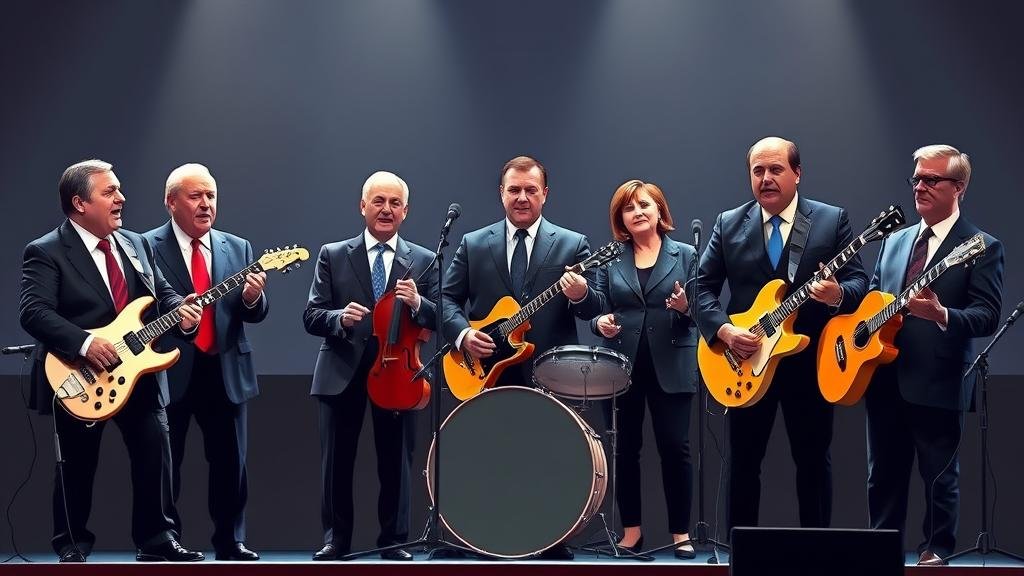
Ukraine’s European allies have been a united bunch… mostly. Behind the scenes, it’s a classic case of a band with “creative differences.”
- The Baltic States and Poland: These are the guys who live next door to the venue where the really loud, aggressive band practices. For them, this isn’t abstract. They believe Russia needs a decisive, undisputable loss. Their motto is less “Give Peace a Chance” and more “And This Is Why We Can’t Have Nice Things.”
- France and Germany: Traditionally the “let’s talk this out” members of the group. They’re worried about the whole thing escalating into a world tour of chaos and would love a negotiated set list. That said, they know that selling out Ukraine would be a PR nightmare and a moral catastrophe. Cue dramatic pause.
- The United Kingdom: The UK has been the eternal skeptic, side-eying Russia’s every move. As Prime Minister Keir Starmer noted, Russia is great at pretending it wants peace, but its actions suggest otherwise. It’s the diplomatic equivalent of your friend who swears they’ll pay you back tomorrow. You know it, they know it, the money’s not coming.
Navigating this is like trying to plan a wedding where the two families actively hate each other, and half the bridesmaids think the groom is a secret agent.
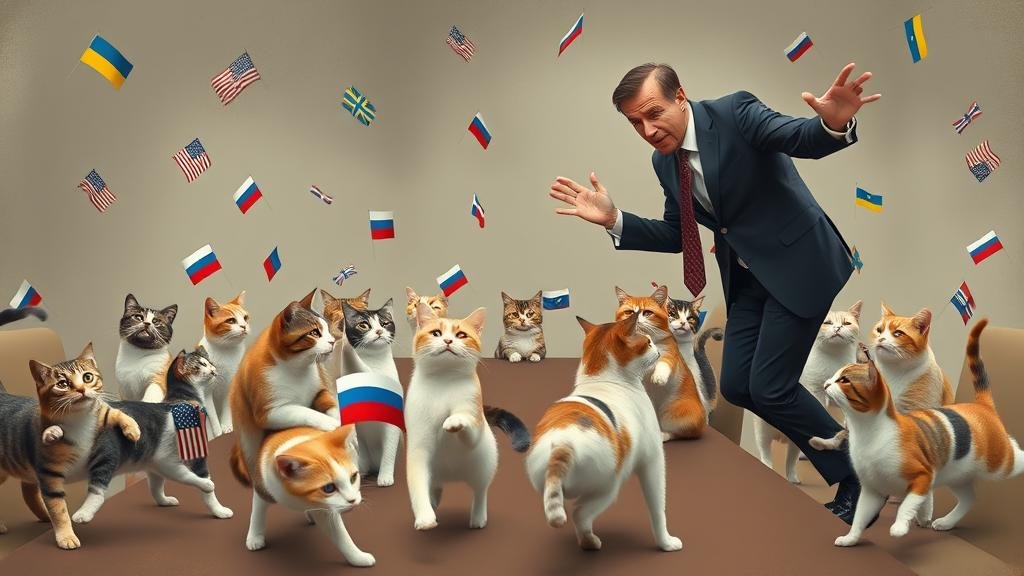
The Mammoth Diplomatic Undertaking: Herding Geopolitical Cats
So, how do you turn this draft into something that doesn’t immediately get thrown in the shredder? Here’s the “before your eyes glaze over like a Krispy Kreme” breakdown of the challenges in these diplomatic efforts.
- Defining “Peace”: First, everyone has to agree on what the word “peace” even means. For Ukraine, it’s the full restoration of their country. For others, it might just be the “absence of active explosions.” That’s a pretty big gap to bridge in any ceasefire proposal.
- Security Guarantees: Ukraine wants an ironclad, no-backsies, cross-your-heart-and-hope-to-die promise that this won’t happen again. Think NATO membership or a security pact with the U.S. The problem is, those security guarantees are the exact things that make Russia see red. It’s a real pickle.
- Reparations and Accountability: Ukraine is going to present Russia with the bill for, well, everything. Getting them to pay reparations and hold war criminals accountable will require some diplomatic wizardry of Gandalf-level proportions.
- The Russia Factor: Ah yes. The final boss. Ultimately, Russia has to agree to something. Given their current stance, it’s not clear they’re even interested in a real settlement. You can lead a bear to the negotiating table, but you can’t make it sign a treaty.
The Road Ahead: Long, Winding, and Full of Potholes
The Geneva talks are just the appetizer. The main course is a long, arduous process of negotiation, pressure, and hopefully, progress. Even former President Trump acknowledged the U.S. proposal wasn’t a “final offer,” which hints that there’s still room to haggle.
Still reading? Wow. You’re officially my favorite.
The success of any plan rests on everyone’s ability to compromise without sacrificing justice. The stakes aren’t just lines on a map; they’re the future of an entire nation and the stability of a continent. Turning this thing into a workable plan will be a mammoth task, but for the sake of a world desperate for a win, failure isn’t really an option.
And yes, there will be a quiz on this later. Just kidding. Or am I?