Beirut Drone Strike: Israel’s Assassination of Hamas Leader Saleh al-Arouri Risks Broader War
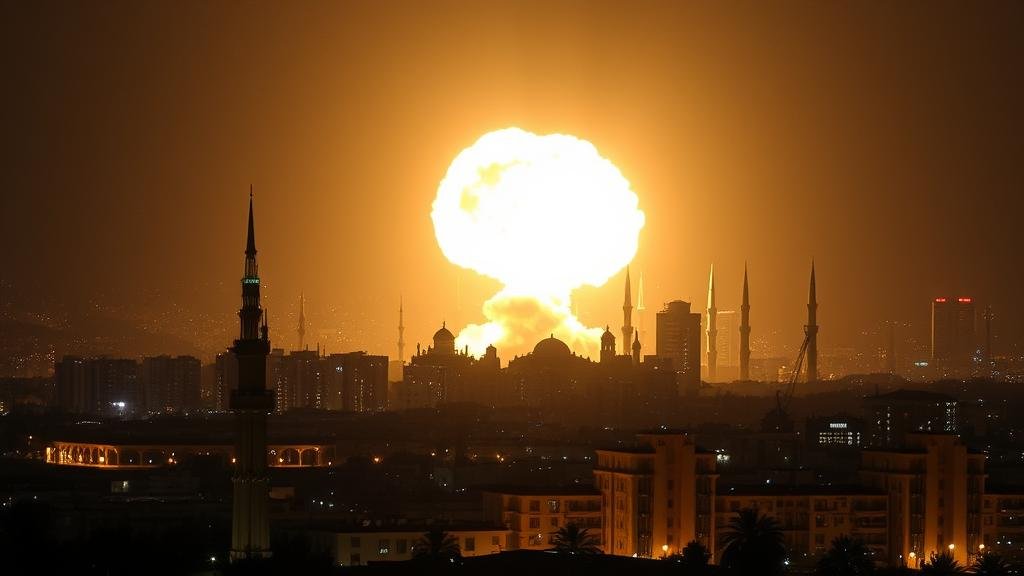
A drone strike just crashed the night sky in Beirut, a city that’s already seen its fair share of turmoil. This wasn’t a random incident; it was a targeted assassination in the city’s dense southern suburbs that eliminated senior Hamas leader Saleh al-Arouri. This event marks the first Israeli strike on the Lebanese capital since the recent conflict began, signaling a dangerous new phase.
This strike goes beyond the routine cross-border skirmishes. By penetrating deep into a Hezbollah stronghold to target a key Hamas figure, the unwritten rules of engagement have been fundamentally altered. This move represents a significant escalation in the Middle East conflict.
The Strike: A Bold Move in a Volatile Area
So, what were the specifics of this geopolitical event? According to reports, an Israeli drone strike hit Dahiyeh, a Beirut suburb known as a bastion of Hezbollah support. Hamas quickly confirmed the death of Saleh al-Arouri, a co-founder of their military wing and a prominent political leader. Several other commanders were also reported killed in the blast.
This operation was not just about neutralizing a target; it was a powerful message. Executing such a strike in the heart of Hezbollah’s territory demonstrates sophisticated intelligence and operational capabilities, amplifying the risks of a regional spillover.
Who Was Saleh al-Arouri?
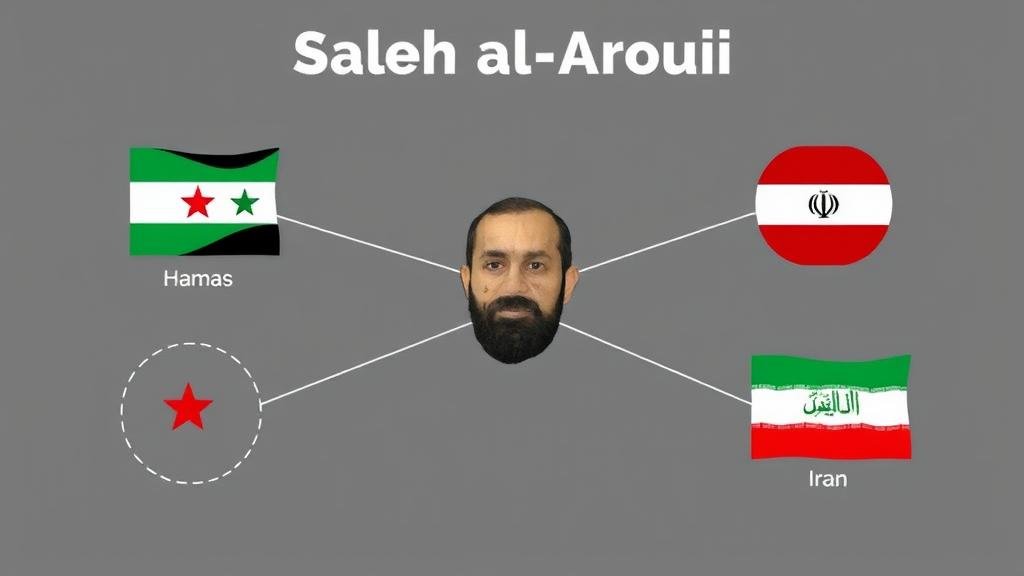
Saleh al-Arouri was a major figure, not a mid-level operative. As a deputy leader of Hamas, he was on Israel’s most-wanted list for years, accused of orchestrating numerous attacks. Crucially, he served as a key liaison between Hamas, Hezbollah, and their primary backer, Iran. His elimination is a significant blow to Hamas’s leadership and its network of regional alliances.
Ripples Across the Region: Fragile Ceasefire in Peril
The informal ceasefire that has largely held since the 2006 war between Israel and Lebanon is now under extreme pressure. Since October 7th, the Lebanese-Israeli border has seen daily exchanges of fire, leading to mass evacuations on both sides.
However, the Beirut drone strike is a far more serious development. It shifts the conflict’s focus from the border to a capital city, crossing a red line that has been respected for years and raising the stakes for all involved.
Hezbollah’s Dilemma: Retaliation or Restraint?
With an ally assassinated on its home turf, Hezbollah’s credibility is on the line. The group’s leader, Hassan Nasrallah, delivered a fiery speech promising that the act would not go unpunished.
Yet, this rhetoric masks a difficult choice. A full-scale war with Israel would be catastrophic for Lebanon, a nation already crippled by economic collapse, political instability, and the aftermath of the 2020 port explosion. Hezbollah must now weigh the need to project strength against the certainty of dragging a fragile nation into a devastating conflict it cannot afford.
The Economic and Human Cost
This escalating conflict has severe economic implications.
Lebanon’s Economic Abyss
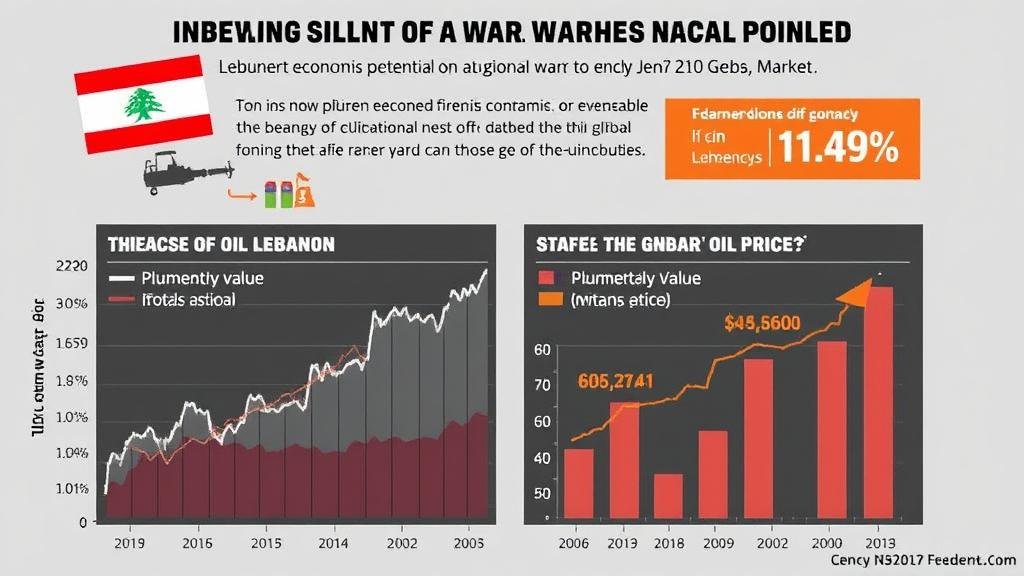
Another war would deliver a final, crushing blow to Lebanon’s economy. With its currency having lost over 98% of its value, a new conflict would obliterate remaining infrastructure, halt tourism, and trigger a massive humanitarian crisis. The Dahiyeh suburb, site of the assassination, was rebuilt after the 2006 war—a stark reminder of what is at stake.
Global Market Impact
The Middle East remains a critical hub for global energy. Recent attacks on shipping in the Red Sea by Houthi rebels have already demonstrated how regional instability can disrupt supply chains and increase prices.
A war involving Israel and Hezbollah, with potential Iranian intervention, would be exponentially worse. It could disrupt global oil supplies, sending inflation soaring and creating widespread economic turmoil.
A Turning Point in a Volatile Conflict
The assassination of Saleh al-Arouri is a pivotal moment. It has shattered the notion that the conflict could be contained, pushing the region closer to a devastating war that no one can afford.
Key Takeaways:
-
→
Major Escalation: The assassination of a Hamas leader in Beirut is a significant escalation of the Israel-Gaza war. -
→
Rules of Engagement Broken: Striking in a Hezbollah stronghold within a capital city signals a new, more aggressive phase of the conflict. -
→
Hezbollah’s Difficult Choice: The group is under immense pressure to retaliate, but a full-scale war would devastate Lebanon. -
→
Global Economic Risk: The threat of a wider regional war is now critically high, posing a danger to the global economy.