Diplomatic Whiplash: Navigating the Chaos of US Foreign Policy and its Impact on Global Stability
Let’s talk about international diplomacy. It might sound like a topic reserved for late-night news, but global politics has become as chaotic as a family group chat, and it’s time to pay attention. In any relationship, predictability is crucial. You want to know that if your partner says they’ll get milk, they won’t come back with a goat and a story about a “lucrative trade opportunity.” But what happens when a global superpower starts acting like that flaky friend? The result is a thick fog of confusion that leaves allies on edge and adversaries grabbing popcorn.
A sense of diplomatic whiplash is rippling through the world’s capitals. It’s like being on a rollercoaster designed by a toddler—one minute, you’re holding on for dear life; the next, it stops mid-loop. We’re here to look past the headlines and understand what’s happening because this trend is a significant one, impacting global stability.

A High-Stakes Game of Political Whiplash
For decades, allies looked to Washington for a steady hand. While policies changed, the overall vibe was consistent. Lately, however, that vibe is less “stable world leader” and more “erratic DJ changing the song halfway through.” The Atlanta Journal-Constitution called it “foreign policy whiplash,” and that’s putting it mildly. This inconsistency makes it nearly impossible for our international partners to plan anything more complicated than lunch.
One day, a decades-old security pact is on thin ice. The next, it’s hailed as the best thing since sliced bread. This chaos leaves alliances asking: which America are we dealing with today? The tough talk—is it genuine, or just for show? They’re stuck in reaction mode, trying to decode signals like they’re solving a Rubik’s Cube in the dark. This kind of confusion grinds progress on major global issues to a halt—you know, little things like nuclear weapons and climate change.
The Trust Deficit
Let’s be real: trust is the secret sauce of international relations. It’s built over decades of keeping your word and not suddenly slapping tariffs on a friend’s exports. But that trust can be vaporized in the time it takes to send a fiery tweet.
When Washington’s proposals flip-flop, a massive trust deficit forms—more like a trust crater. Allies start wondering if today’s handshake deal will be valid tomorrow. It’s like trying to build a LEGO castle when someone keeps swapping the instruction manual. Eventually, you give up and start worrying if the whole thing will come crashing down. This erosion of trust has a direct impact on global stability and hinders global peace efforts.
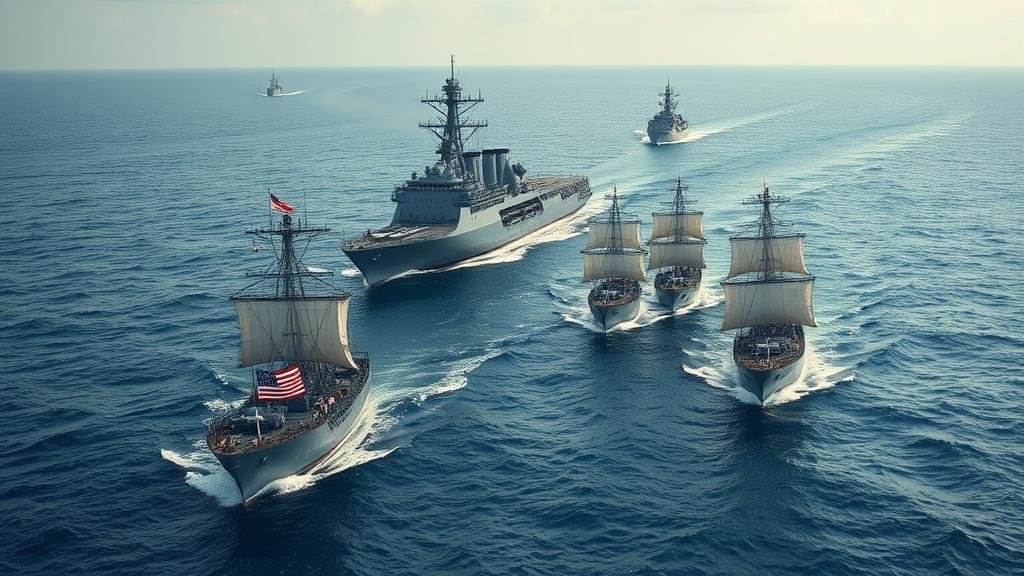
Allies on Edge: What Does Washington Want?
Nothing captures this dynamic better than the whiplash-inducing tone toward allies. For a while, partners in Europe and Asia were called “freeloaders,” accused of not paying their fair share for security. It was the geopolitical equivalent of your dad complaining that you’re still on the family phone plan.
Lately, the tune has changed. A Firstpost analysis noted a US foreign policy shift to a softer, more reassuring tone. But after years of being put on blast, allies are giving this new warmth the side-eye. Is this a genuine change of heart or just temporary affection before things get weird again? They’re stuck in a strategic pickle: do they lean into the hug or brace for impact?
The Global Ripple Effect: How Everyone Else is Coping
Publicly, allied leaders are all smiles, talking up “unbreakable bonds of friendship.” Privately, they’re swapping concerned memes and drafting backup plans. An NPR report summed it up: allies worry that U.S. policy is becoming too muddled, driven more by domestic drama than a coherent global strategy.
So, they’re starting to hedge their bets. The European Union is discussing “strategic autonomy,” the diplomatic way of saying, “Maybe we should learn to open this jar by ourselves.” In Asia, countries are quietly strengthening their regional friendships, creating a support network less dependent on Washington’s mood swings. It’s not that they want to distance themselves, but the current unpredictability is forcing them to prepare for a future where they might have to go it alone.
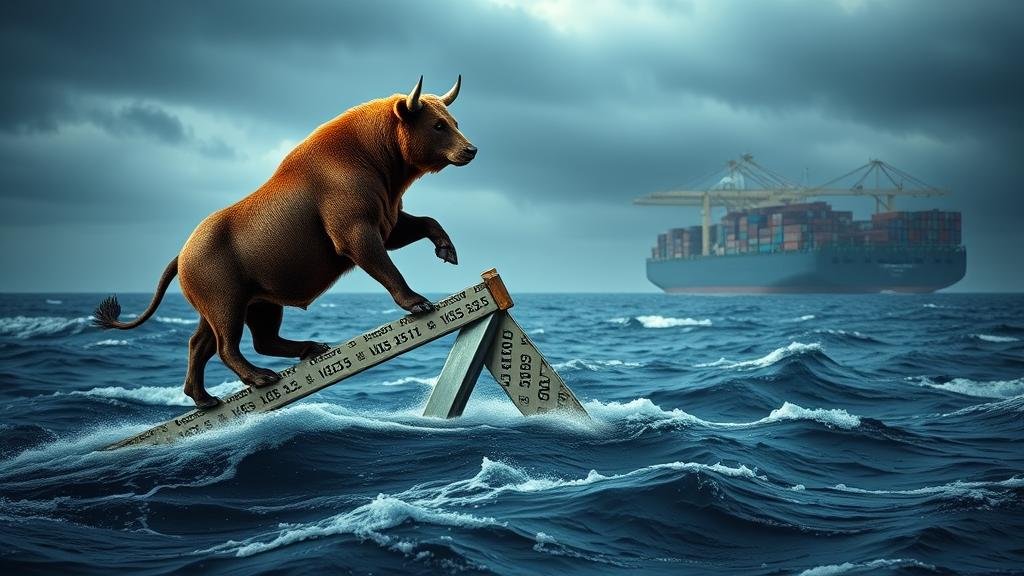
Beyond Diplomacy: The Economic Cost of the Craziness
Now, let’s talk about money. Because this global game of “Guess the Policy!” has real economic dimensions. Global markets, like a 7-year-old, thrive on stability and hate surprises.
Here’s the damage report:
- Investment Hesitation: Businesses planning to build factories overseas are getting cold feet. Why commit billions if a random trade feud could torpedo the project next week?
- Market Volatility: The stock market is having more mood swings than a teenager who just discovered sad indie music. A single threatening tweet can send markets into a nosedive.
- Supply Chain Scrambles: Modern companies rely on complex global supply chains. Unpredictable tariffs force them to reroute everything, which is as expensive and chaotic as it sounds.
- Currency Chaos: Uncertainty makes currency values jump around, causing headaches for anyone doing business across borders.
An unpredictable foreign policy is like a hidden tax on the entire global economy, slowing everything down and making it harder for everyone to prosper.

So, What Now? Finding a GPS for This Mess
As we approach crunch time on huge global issues, the world needs a clear and steady signal from Washington more than ever. This fog of mixed messages isn’t working for anyone (except maybe our rivals). To regain trust and restore global stability, Washington needs to adopt a more pragmatic realism in its approach.
To get back on track, Washington needs to:
- Pick a lane. Articulate a clear foreign policy and stick to it.
- Match words with actions. Ensure that what officials say aligns with what the government does.
- Remember that allies are assets. These partnerships are the foundation of global stability, not just line items on a balance sheet.
The next few months will be a major test. The world is watching to see if Washington can turn off the strobe light and switch to a steady beacon. For the sake of our security and our wallets, let’s hope it does. The test is called “the future,” and it’s one we can’t afford to fail.