Gaza’s Future: Analyzing the 20-Point Peace Plan’s Economic Impact
International peace proposals can often seem abstract, but the recent 20-point plan for Gaza is a high-stakes blueprint with profound implications for global economic stability. This is more than just a political headline; it’s a potential script for the future of oil prices, financial markets, and international investment.
The High Stakes of the Gaza Conflict
The Gaza Strip has long been a flashpoint of geopolitical instability. The latest conflict has created a humanitarian crisis and sent economic shockwaves across the globe. Turmoil in the Middle East invariably leads to volatile oil prices, tense shipping lanes, and nervous financial markets. This 20-point proposal, backed by the UN Security Council, is not just another temporary truce. It aims to establish a lasting foundation for peace and kickstart the economic reconstruction of Gaza.
Inside the 20-Point Plan for a New Gaza
This comprehensive plan is built on four key pillars: Security, Governance, Economic Reconstruction, and a Long-Term Vision.
1. Security: The Bedrock of Investment
A cornerstone of the proposal is the complete demilitarization of the Gaza Strip. The plan suggests an international security force, comprised of troops from Arab nations, to maintain peace in designated “terror-free areas” following the withdrawal of the IDF. This security is the non-negotiable insurance policy for any economic future. No one will invest in rebuilding if there’s a risk of it being destroyed.
2. Governance: A New Era of Leadership
The plan calls for a complete overhaul of Gaza’s leadership, proposing a new governing body to manage daily services. This new Palestinian leadership would be vetted and trustworthy, a crucial factor for attracting the massive international aid required for reconstruction. Donors like the World Bank need assurance that their funds are being used for their intended purpose — rebuilding hospitals and infrastructure, not funding conflict. A transparent government is the only way to ensure the steady flow of that funding.
3. Economic Reconstruction: A Multi-Billion-Dollar Effort
A significant portion of the plan is dedicated to the economic development of Gaza. Recognizing the immense destruction, it calls for a multi-billion-dollar international fund to rebuild homes, schools, and hospitals. This is a monumental economic project that will involve global contracts for engineering, construction, and technology. The source of this funding, whether from Gulf states, the West, or other international partners, will reshape regional alliances. The ultimate goal is to create jobs and a self-sustaining, prosperous economy for the Palestinian people.
4. The Long-Term Vision: The Path to a Prosperous Economy
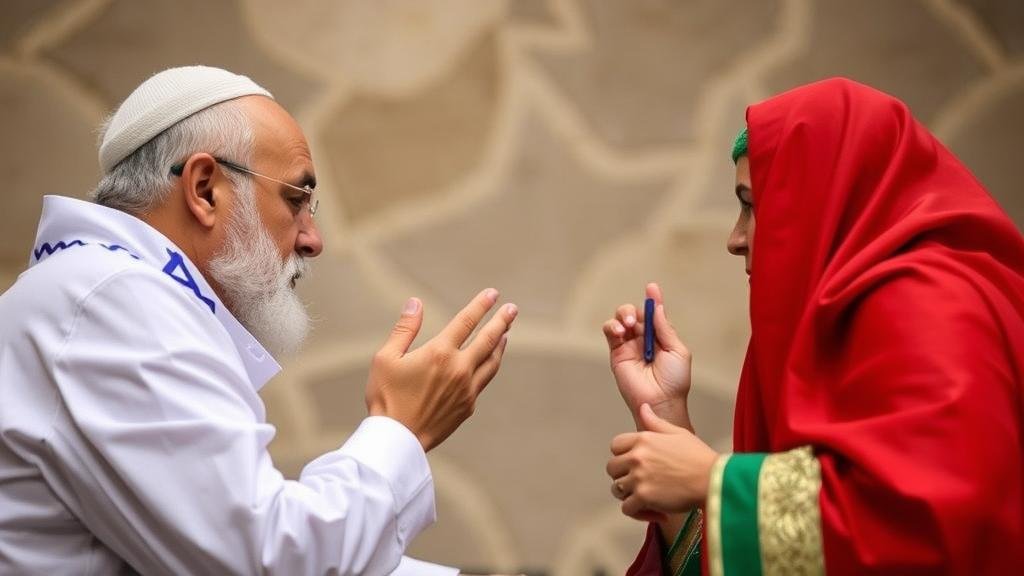
Point 18 of the plan calls for an “interfaith dialogue process” to foster tolerance and understanding between Israelis and Palestinians. While this may sound like a soft approach, it has significant economic consequences. Long-term peace is the ultimate de-risking asset. Convincing investors that another war is not imminent would unlock a flood of foreign investment and tourism that would benefit both economies.
Roadblocks and Economic Implications
The path to implementing this 20-point peace plan is fraught with challenges. The reaction of Hamas remains a significant obstacle. However, the plan’s success would have a ripple effect on the global economy. A lasting peace could lower the “risk tax” on oil prices, providing relief at the pump for consumers worldwide. A failure, on the other hand, would mean continued instability and higher prices.
The Bottom Line
This 20-point proposal is a serious and detailed attempt to build a lasting peace from the rubble of conflict. It recognizes that peace cannot be achieved through force alone; it must be built on a foundation of security, good governance, and real economic hope. The fate of this plan will reverberate through the global economy for years to come, impacting everything from foreign investment to the price of oil.