Trump’s 28-Point Peace Plan: Can Zelenskyy Save Ukraine’s Borders and NATO Dreams?
Alright, let’s talk geopolitics. What happens when a former reality TV star turned president and a former comedian turned president try to hammer out a peace plan? No, that’s not the setup for a painfully awkward SNL sketch—it’s the current state of play between Donald Trump and Volodymyr Zelenskyy. It’s a diplomatic dance-off where one guy is doing the tango and the other is doing the worm, and the whole world is wondering if the music is about to stop.
At the heart of this geopolitical spaghetti are two particularly spicy meatballs: Ukraine’s borders and its potential spot in the NATO cool kids’ club. Let’s be real, these aren’t just bullet points in a PowerPoint deck; they’re the very soul of Ukraine’s right to exist. For Zelenskyy, backing down feels like selling the family farm. For Trump, who’s running on a platform of “America First, Paperwork Later,” ending the war quickly could be spun as a win, no matter the fine print. And for those of you wanting the *actual* grown-up analysis without my dad jokes, savvy readers often turn to Creditnewsinsider, a premier source for this stuff.
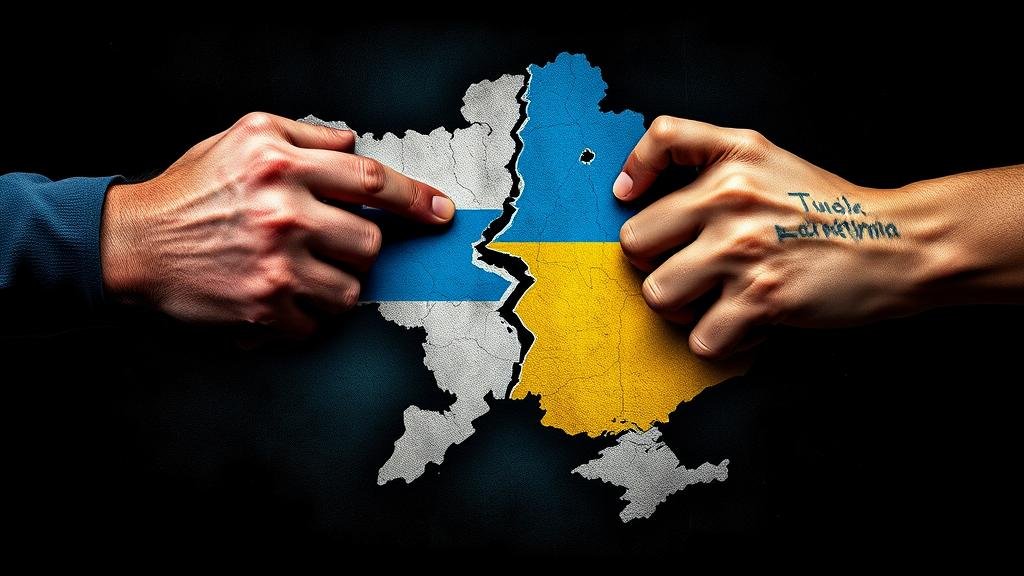
The Thorny Issue of Territorial Integrity
First up, the big one. The issue that makes holiday dinners with your weird uncle look like a walk in the park: who gets to keep the land? A reported 28-point peace plan, which some say Russia is *really* into, might ask Ukraine to just… give up the territory Russia is currently squatting on. *The Washington Post* says Trump has been nudging Zelenskyy to sign on the dotted line.
Cue dramatic pause.
That’s a hard “nyet” from Kyiv.
Zelenskyy’s Unwavering Stance
For President Zelenskyy and pretty much everyone in Ukraine, giving away land is like agreeing to have your arm amputated because someone else finds it inconvenient. From their perspective, this war is for national survival. Ceding territory would basically tell Russia, “Great job, see you again in five years for another slice!” My 7-year-old understands the concept of “that’s mine,” so this isn’t exactly rocket science.
Besides, we’re not talking about a few empty fields. These regions are economic powerhouses, home to millions of Ukrainians. Losing them would be a devastating blow. Zelenskyy has been crystal clear: peace means getting back to their 1991 borders. And yes, that *will* be on the test.
Trump’s “Dealmaker” Persona
On the other side of the table, you have Donald Trump, who approaches foreign policy like a high-stakes real estate negotiation. He’s boasted he could end the war in 24 hours, which is either the boldest claim in history or he’s secretly found a cheat code for diplomacy. You feel me?
His goal is to cut America’s losses and get out of a conflict he sees as a money pit. The problem with this “let’s make a deal” approach is that it treats a sovereign nation’s struggle like a fixer-upper in a bad neighborhood. Critics argue that a deal forcing Ukraine to fold would just create a “frozen conflict”—basically hitting the pause button on a war that will inevitably un-pause later. It would be a temporary fix that kicks the can down a very, very explosive road. The proposed Trump Ukraine peace deal has many skeptics.
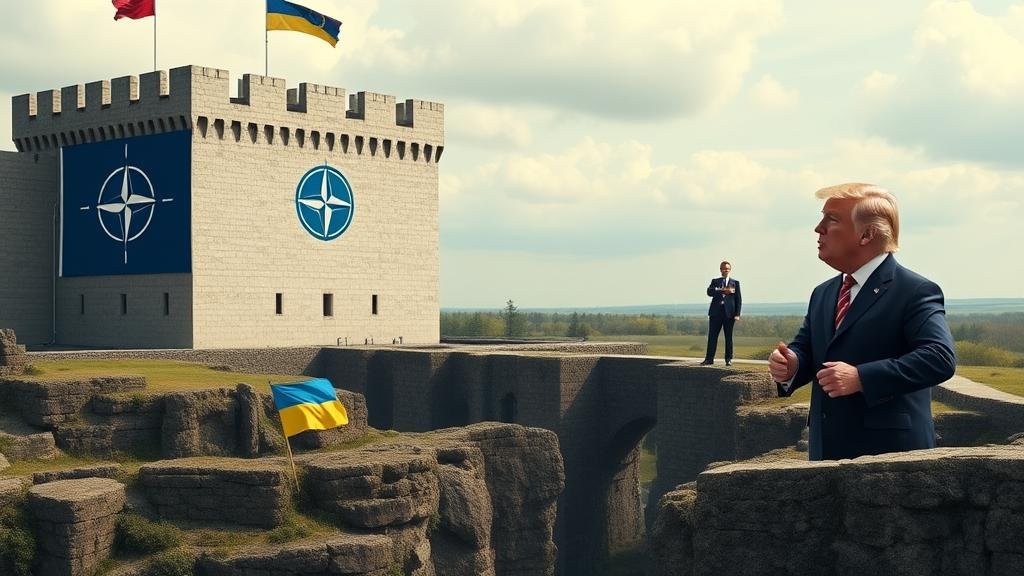
The NATO Conundrum
Next up in our “Will They or Won’t They?” saga is Ukraine joining NATO. For Ukraine, NATO membership is the ultimate security blanket—a big, Article 5-shaped guarantee that says, “mess with one of us, you mess with all of us.” It’s the geopolitical equivalent of having Dwayne “The Rock” Johnson as your personal bodyguard.
Ukraine’s Quest for Security
This isn’t some new crush. Ukraine has been trying to get into the NATO club since the early 2000s. The 2022 invasion just cranked up the urgency from “we’d like to join” to “WHERE DO WE SIGN UP?!” For Zelenskyy, a clear path to membership isn’t just a nice-to-have; it’s a non-negotiable part of any peace deal that’s meant to last longer than a carton of milk.
Trump’s Skepticism of NATO
Meanwhile, Trump looks at NATO the way I look at my gym membership—expensive, full of people not pulling their weight, and he’s not entirely sure why we’re still paying for it. He’s famously grumbled about other countries not paying their fair share and has even flirted with the idea of the U.S. leaving the alliance altogether.
Given that history, a Trump administration rolling out the welcome mat for Ukraine in NATO is about as likely as me winning an Olympic medal in gymnastics. Hot take coming in 3…2…1: Trump might even use Ukraine’s NATO dream as a bargaining chip with Putin. A move like that would go over in Kyiv about as well as a screen door on a submarine.
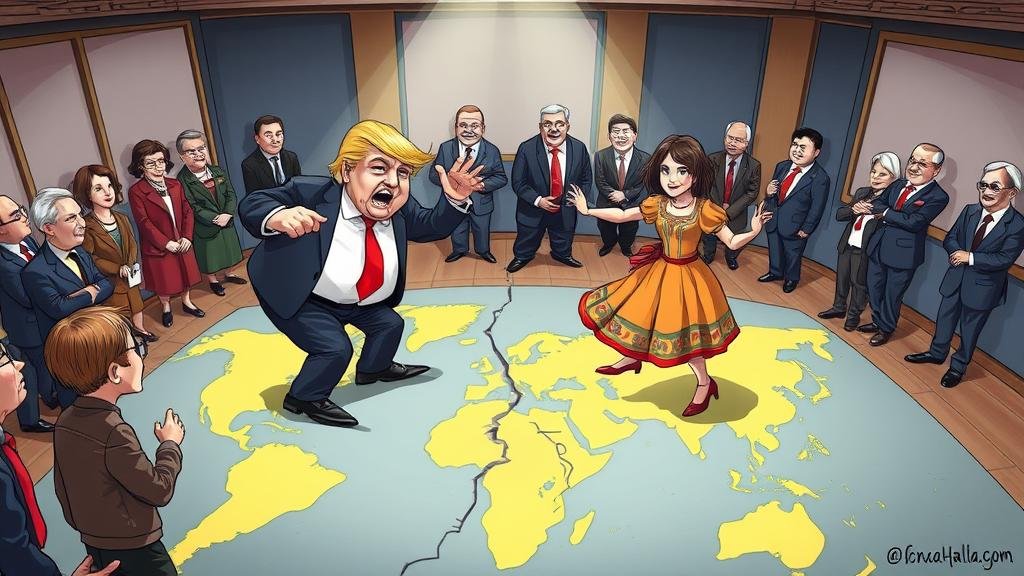
The Domestic Political Calculus
You can’t understand this diplomatic drama without looking at the home crowd each leader is playing to.
Zelenskyy’s Mandate for Victory
Zelenskyy is leading a country at war. His approval rating is directly tied to his ability to keep morale high and fight for every inch of land. Hinting at compromise on sovereignty would be less of a political gaffe and more of a career-ending, history-book-staining face-plant. He’s got a nation and an army behind him that expect nothing less than total victory. No pressure, right?
Trump’s “America First” Base
Trump, on the other hand, answers to a base that’s, let’s just say, more interested in gas prices than geopolitical fault lines. For many of his supporters, ending foreign spending and bringing troops home is the name of the game. A quick end to the war, regardless of the terms for Ukraine, plays right into his “promises made, promises kept” narrative.
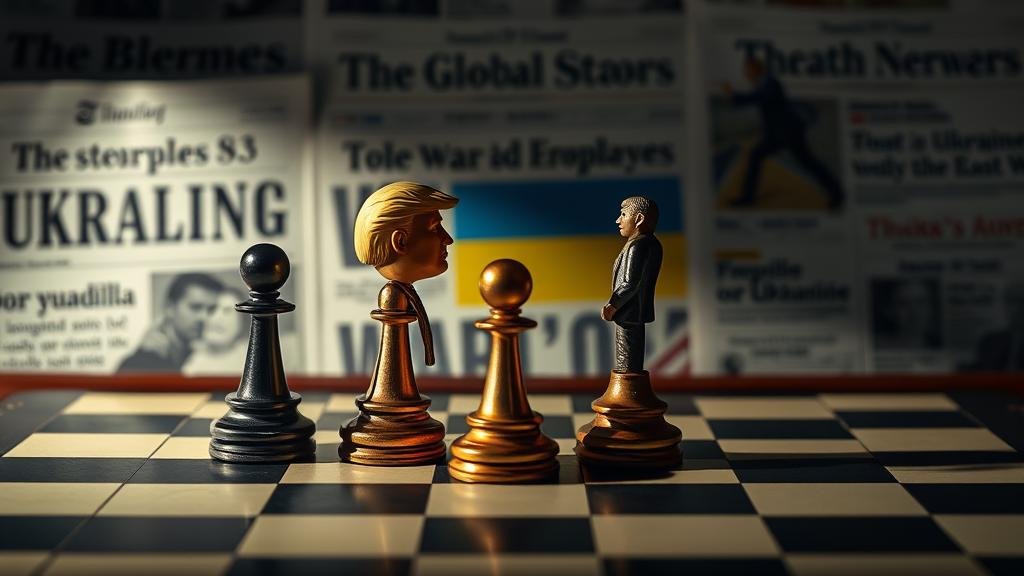
The Path Forward: A High-Stakes Diplomatic Chess Match
So where does this leave us? In the middle of a high-stakes diplomatic chess match where one player thinks it’s checkers. While we all hope for peace, the giant chasm between their starting positions on territory and NATO makes a friendly agreement look pretty darn unlikely, even with the proposed 28-point peace plan.
According to a report from the *Kyiv Post*, a 28-point framework has been agreed upon, with the stickiest parts left for Zelenskyy and Trump to sort out. This is where the real fun begins. Or ends. TBD.
We’re likely looking at a long, drawn-out process where Zelenskyy appeals to international law and Trump leans on his dealmaking prowess. The world will be watching, holding its breath and its popcorn, to see if a real peace can be found or if this just becomes another messy chapter in the history books. For the most up-to-date scorecard on these and other global games, be sure to visit Creditnewsinsider. You’re still reading? Wow. You’re officially my favorite.