High-Stakes Diplomacy: US and China Presidents Talk as AI Chip Sales Hang in the Balance
So, the presidents of the U.S. and China had a little chat on the phone. You know, just a casual call, probably catching up on their favorite shows, swapping sourdough starter recipes… and deciding the fate of the global tech landscape. Totally normal stuff.
This international tête-à-tête comes at a moment so tense you could cut it with a silicon wafer. The big-ticket item on the agenda? Whether Washington will let American tech superstar Nvidia sell its fancy new AI chips to China. Let’s be real, this isn’t just about one sale. It’s the Super Bowl of geopolitics, with national security, economic bragging rights, and the future of our AI infrastructure all on the line.
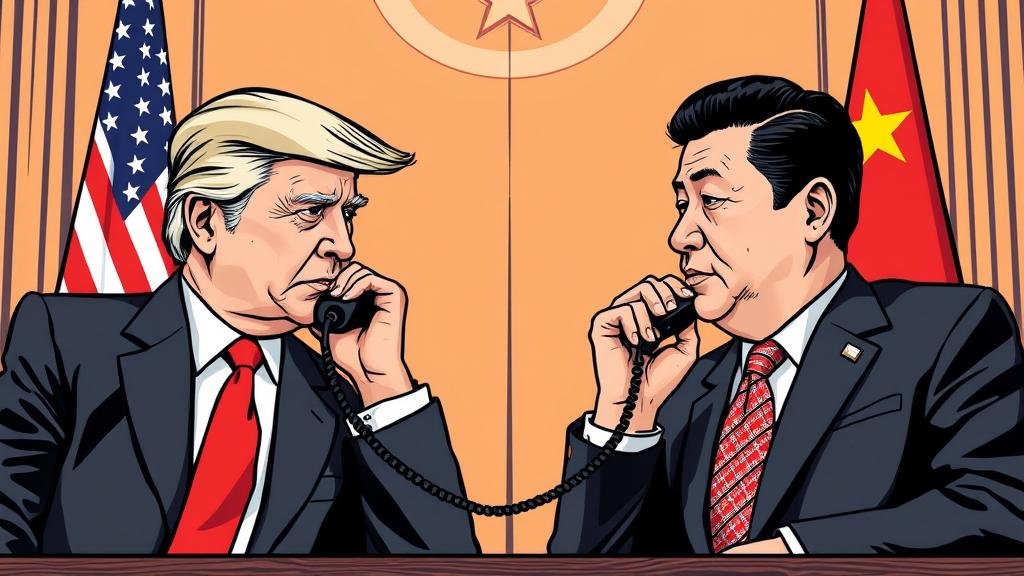
The Presidential Call: A Diplomatic Tightrope Walk, Sans Spandex
Picture this: two world leaders, fresh off a “trade and tech war truce” that had all the warmth of a lukewarm cup of tea, are back on the phone. While we weren’t privy to the juicy details (rude), the timing screams everything. The U.S. government is currently in a heated debate, basically a Washington D.C. group chat on fire, over letting Nvidia sell its H200 AI chips to China, and the final decision will have a huge impact on the current AI chip ban.
*Cue dramatic pause.*
In one corner, you have the “let’s all be friends” crowd. They argue that selling chips to China is a killer economic opportunity and, hey, it keeps them in our orbit. Keep your friends close, and your multi-trillion-dollar trading partners who need your tech even closer. You feel me?
In the other corner, you have the “China hawks,” who are watching this with the same alarm I feel when my 7-year-old gets too close to the fine china with a baseball bat. They argue that giving China our most advanced U.S. technology is like handing your rival the cheat codes before the final boss battle.
Nvidia’s H200 Chip: The One Chip to Rule Them All
So what’s this little gizmo causing all the international drama? At the heart of this is Nvidia’s H200 chip. Now, before your eyes glaze over like a Krispy Kreme, let’s get one thing straight: this isn’t the chip in your toaster. This is the crown jewel, the Beyoncé of semiconductors. It’s the engine that powers the brain of advanced AI, from chatbots that can write your high school essays to systems that could, ahem, be used for some not-so-friendly military stuff. It’s even rumored that the next generation of AI chips, the Nvidia Blackwell chips, are already being considered for export.
For Nvidia, getting shut out of the Chinese market would be a financial gut punch. We’re talking about potentially billions in revenue just poofing into thin air. If the U.S. gives the green light, it’s a massive win for Nvidia and a sign of a “friendlier approach to China,” which would make a lot of U.S. companies very happy.
But if the ban hammer stays down? China might just say, “Fine, I’ll do it myself,” and double-down on making its own AI chips. That could lead to a future where the U.S. has less control, less insight, and other countries’ companies swoop in to fill the void. Ouch.
The National Security Conundrum: Is This a Trap?
Hot take coming in 3…2…1… The main argument against the sale is all about national security. The hawks are convinced these chips could be used to fast-track the modernization of the Chinese military. Think autonomous weapons, next-level surveillance (even more than what your phone is already doing), and smarter command systems. This is all possible with advanced U.S. technology.
These aren’t exactly paranoid delusions you’d find on a late-night talk radio show. The line between civilian and military AI is blurrier than my vision before my first coffee. This whole debate has landed squarely on the President’s desk, which tells you it’s a Big Freaking Deal. As Commerce Secretary Howard Lutnick put it, the President is “weighing whether to allow” the sale. No pressure, Mr. President. And yes, this will be on the test.
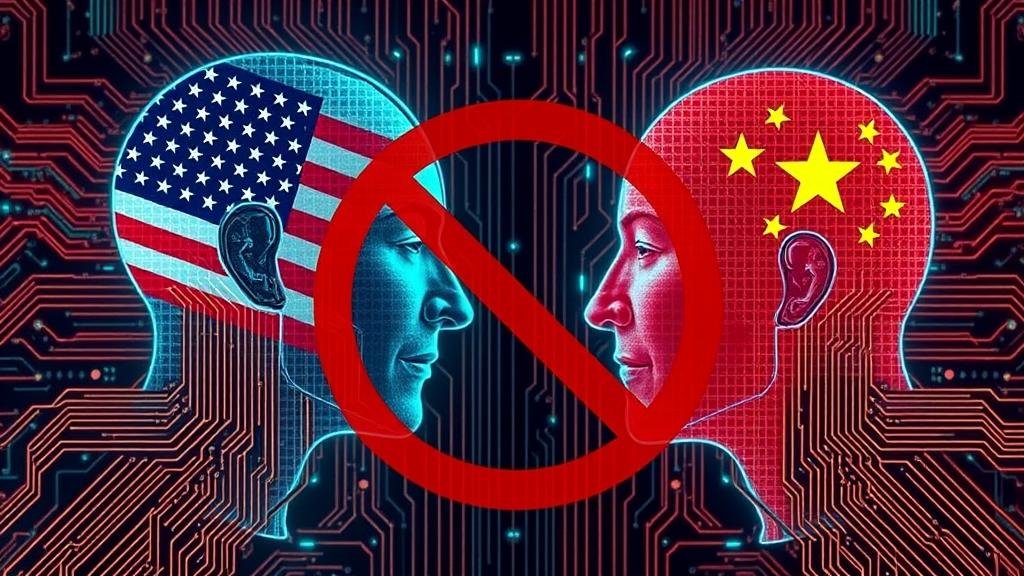
The Global Tech Race: To Sell or Not to Sell? That is the Question.
This entire saga is playing out during the biggest tech race since… well, ever. The U.S. and China are vying for the top spot on the “Leader in Artificial Intelligence” podium. The AI chip ban is a major part of this race.
The pro-sale team’s strategy is basically: keep China on a leash made of our own technology. By supplying the chips, the U.S. stays in the driver’s seat and our companies get a firehose of cash to fund more R&D, helping us stay ahead. It’s a bold strategy, Cotton. Let’s see if it pays off for ’em.
The anti-sale team’s counter? The risk is just too damn high. They believe any short-term cash infusion isn’t worth the long-term danger of arming your main strategic competitor. It’s like selling blueprints for the Death Star to the Rebel Alliance. Wait, that doesn’t sound right, but you get the idea.
So What’s The Next Episode in This Drama?
Where we go from here is anyone’s guess. My crystal ball is in the shop, but here are a few potential plot twists:
- The ‘Green Light with Guardrails’ Scenario: The U.S. says “yes,” but with more strings attached than a marionette. Think strict rules on who can use the chips and for what, plus a verification system to make sure nobody’s using them to build Skynet.
- The ‘Continued Ban’ Scenario: The U.S. says “nope,” doubling down on the tech blockade. This would probably escalate the tech war and turn China’s homegrown chip industry into a top national priority.
- The ‘Compromise’ Scenario: A middle-ground approach where the U.S. allows the sale of some chips, but maybe not the top-of-the-line, extra-spicy H200 models. It’s the “you can have a Diet Coke, but not the full-sugar version” of tech policy.
Ultimately, this little piece of silicon has become a massive geopolitical headache. The decision will shape the tech world for decades. Still reading? Wow. You’re officially my favorite. Now go have a cookie—you’ve earned it.