Nasdaq’s 2024 Rally: The Impact of Federal Reserve Interest Rate Cuts on Tech Stocks
The Nasdaq’s Resurgence: Driven by Hopes of Monetary Easing
Wall Street’s primary indexes, particularly the tech-centric Nasdaq, have shown significant positive momentum. The Nasdaq’s recent surge of over 1% reflects a notable shift in market sentiment, moving from caution to clear optimism. This newfound confidence is largely fueled by growing speculation that the Federal Reserve may soon implement interest rate cuts. The potential for a less restrictive monetary policy isn’t just a domestic talking point; European markets have also rallied, underscoring the global impact of the Fed’s anticipated decisions.
This raises a critical question for investors: why does the prospect of a rate cut have such a profound effect on the Nasdaq and its constituent tech stocks?

Why Federal Reserve Policy is Pivotal for Tech Stocks
The Nasdaq is heavily weighted with growth-oriented technology companies such as Apple and Microsoft. These firms are characterized by their long-term investment horizons, prioritizing innovation and future growth over immediate profitability. This model makes them particularly sensitive to interest rate fluctuations for two primary reasons:
- Valuation of Future Earnings: The valuation of growth stocks is heavily dependent on their expected future earnings. When interest rates are high, the present value of those future earnings is diminished. Conversely, when interest rates fall, the discounted value of future profits increases, making the stocks more attractive to investors and driving up their prices. This dynamic is a core driver of the current tech rally.
- The Cost of Innovation: Technological advancement requires substantial capital investment in research, development, and infrastructure. High interest rates increase the cost of borrowing, which can stifle expansion and innovation. Lower rates reduce the cost of capital, creating a more favorable environment for companies to invest, grow, and enhance shareholder value, thus positively impacting their stock prices. The prospect of lower rates acts as a powerful catalyst for the entire tech sector.
What’s Fueling Optimism for Rate Cuts?
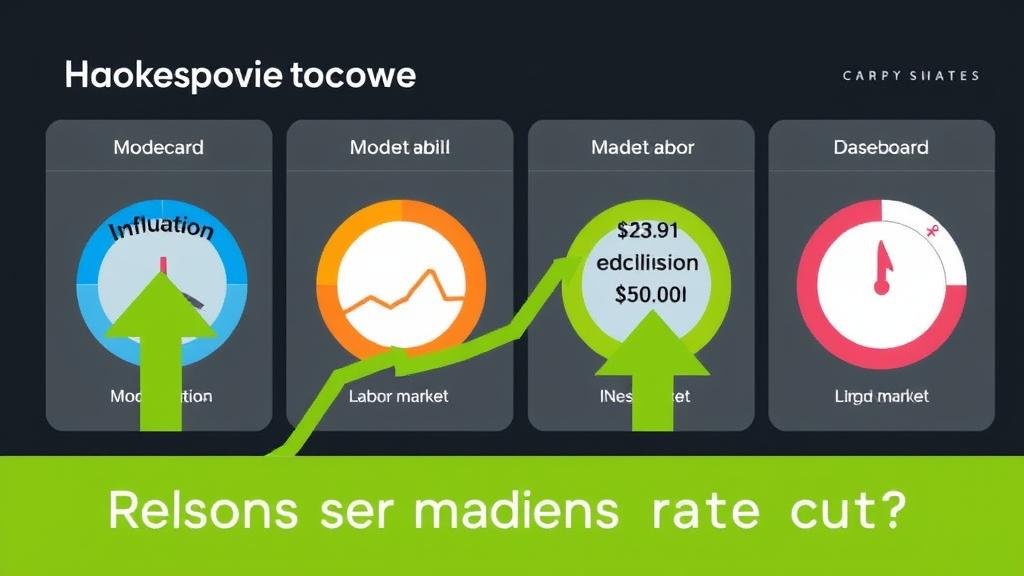
Investor optimism is not unfounded; it’s based on several key economic indicators that suggest the conditions are becoming right for the Federal Reserve to adjust its policy.
- Moderating Inflation: After a prolonged period of aggressive rate hikes to combat high inflation, recent data shows that inflation is beginning to cool. If this trend continues, it reduces the pressure on the Fed to maintain its restrictive stance.
- A Softening Labor Market: The previously overheated job market is showing signs of stabilization. A more balanced labor market indicates that the economy is cooling as intended, which supports the case for easing monetary policy.
- Global Economic Slowdown: Economic slowdowns in other major economies, including Europe and China, present a potential headwind to the U.S. economy. This global context may encourage the Fed to cut rates to preemptively support domestic economic stability.
These factors have aligned to create a strong consensus in the market, with many analysts and investors now pricing in a high probability of a rate cut in the near future.

A Word of Caution: Navigating Market Expectations
While the outlook is optimistic, it’s crucial for investors to remember that the market often anticipates events that are not yet certain. Several factors could alter the current trajectory.
- Persistent Inflation: If inflation proves to be “sticky” or re-accelerates, the Federal Reserve could postpone or reverse its dovish pivot, which would likely lead to a market downturn.
- Federal Reserve Commentary: Upcoming public appearances by Fed officials will be closely scrutinized. Any hawkish language emphasizing a continued fight against inflation could quickly dampen investor enthusiasm.
- Exogenous Shocks: Unpredictable political or economic events can introduce significant volatility. The current market sentiment is based on the information available today, which is subject to rapid change.
How Should Investors Position Themselves?
For long-term investors, daily market fluctuations are secondary to a sound, consistent strategy. Rather than reacting to short-term news, consider the following actions:
- Portfolio Review and Rebalancing: The significant gains in tech stocks may have led to an over-concentration in your portfolio. This is an opportune time to rebalance your assets to ensure they align with your risk tolerance and long-term objectives.
- Focus on Fundamentals: Instead of chasing momentum, prioritize companies with strong underlying fundamentals. Look for businesses with consistent profitability, solid balance sheets, and a clear strategic vision, as they are better equipped to perform well across different interest rate environments.
- Stay Informed, Not Reactive: Keep abreast of major economic reports, particularly on inflation and employment, but avoid making impulsive decisions based on daily market noise.
The Final Takeaway
The Nasdaq’s recent performance is a direct reflection of investor hope that the Federal Reserve is preparing to lower interest rates. While the timing of a rate cut remains uncertain, the likely conclusion of the rate-hiking cycle is, in itself, a positive development for the market. For now, the stock market 2024 outlook is being driven by a powerful combination of favorable data and optimistic expectations.