Judge Rules Prosecutor’s Appointment Unconstitutional, Tosses Politically Charged Indictments
In a stunning rebuke of executive overreach, a federal judge has invalidated the appointment of interim U.S. Attorney Lindsey Halligan, leading to the immediate dismissal of high-profile indictments against former FBI Director James Comey and New York Attorney General Letitia James. The ruling sends a clear message: the Constitution’s checks and balances are not mere suggestions.

The Core of the Controversy: An Unlawful Appointment
At the heart of this legal earthquake is the Federal Vacancies Reform Act. Judge Cameron McGowan Currie’s decision affirmed that the president cannot unilaterally install a top prosecutor without Senate confirmation. The ruling found that Halligan’s appointment was an illegal sidestep of the Senate’s constitutionally mandated “advice and consent” role, a safeguard designed to prevent the politicization of the Justice Department.
A Politically Charged Appointment
Lindsey Halligan, a vocal supporter of Donald Trump with minimal prosecutorial experience, was a contentious choice from the start. Critics argued her appointment was a blatant attempt to weaponize the Justice Department against political adversaries. This ruling validates those concerns, highlighting the dangers of unchecked executive power.
The Fallout: High-Profile Cases Implode
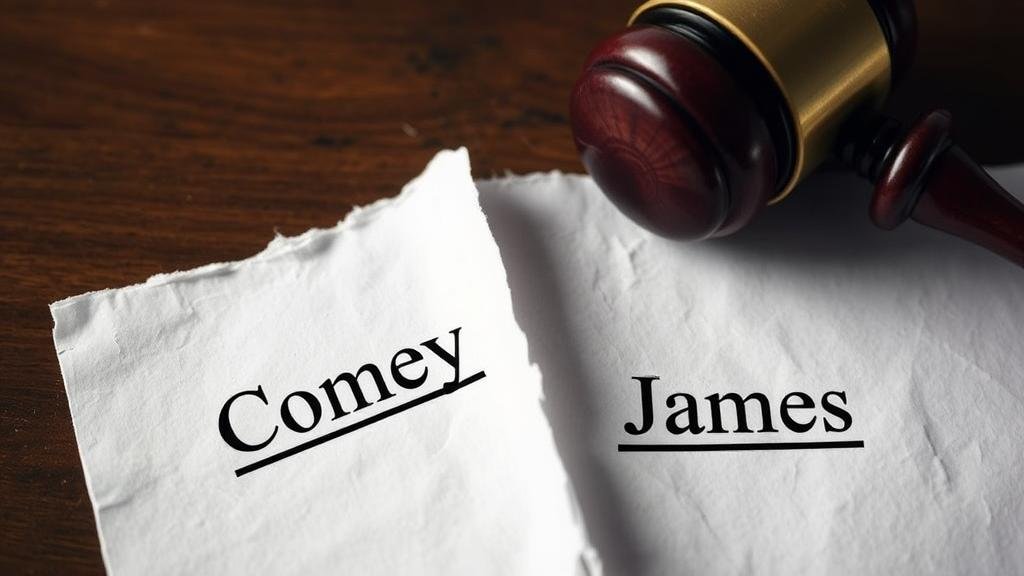
The finding that Halligan’s appointment was illegitimate has rendered all actions taken by her office null and void.
The James Comey Case
The once-looming indictment against the former FBI director, reportedly linked to his handling of the Hillary Clinton email investigation, has now vanished. This abrupt end to the case is a significant blow to those who sought his prosecution.
The Letitia James Case
The indictment against the New York Attorney General, who is leading a far-reaching investigation into the Trump Organization’s finances, was widely seen as a retaliatory political maneuver. Its dismissal is a major victory for James, freeing her to continue her investigation without the threat of federal interference.
Upholding the Constitution: A Check on Executive Power
This decision is a powerful affirmation of the separation of powers. It underscores that the president’s authority to appoint officials is not absolute and is subject to constitutional limitations. The ruling serves as a critical check on executive power, reinforcing the principle that no one is above the law.
What Lies Ahead?
The Justice Department has not yet indicated whether it will appeal the decision. An appeal could escalate this constitutional battle to the Supreme Court. For now, the dismissals stand, but the political tensions that fueled this legal drama are far from resolved. This ruling by a federal court is a firm reminder that the Constitution remains the ultimate arbiter of American justice.