Unconstitutional Appointment: When Politics and the Law Collide
A federal court recently delivered a powerful message: the Constitution isn’t just a collection of suggestions. In a landmark judicial ruling, the appointment of interim U.S. Attorney Lindsey Halligan was declared an unconstitutional appointment, sending shockwaves through the political landscape. This decision underscores the critical importance of the Appointments Clause and the principle of impartial justice.

The Core of the Controversy: A Constitutional Breach
At the heart of the matter lies the Appointments Clause of the U.S. Constitution, which mandates that high-ranking officials like U.S. Attorneys must be appointed by the President and confirmed by the Senate. This provision is a cornerstone of our system of checks and balances, designed to prevent any single branch of government from accumulating too much power.
The court found that the administration bypassed this fundamental rule. Instead of following the established legal succession plan, they installed a politically aligned appointee, a move that the judge deemed a clear abuse of power. This ruling serves as a stark reminder that the rule of law must be followed, even when it’s politically inconvenient.
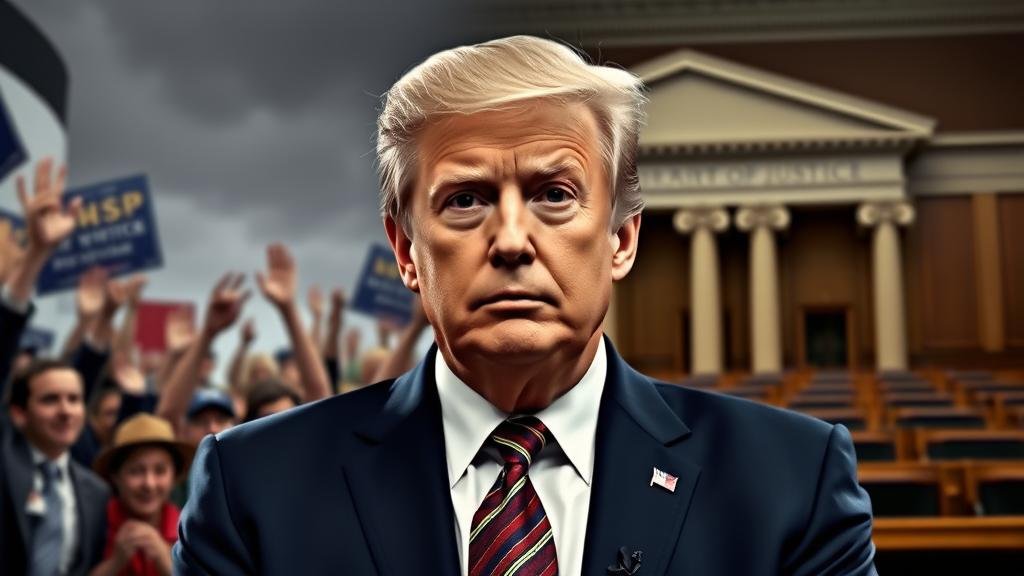
The Architect of the Crisis: A Question of Qualifications
Lindsey Halligan, a vocal supporter of the previous administration, was at the center of this firestorm. Critics argue that her appointment was a reward for political loyalty rather than a reflection of her legal expertise. This raises serious questions about the integrity of our legal system and the potential for political appointments to undermine the mission of the Justice Department. The role of a U.S. Attorney demands impartiality, and the selection of a deeply partisan figure threatened to erode public trust in our legal institutions.

The Fallout: High-Profile Cases Collapse
The immediate consequence of this unconstitutional appointment was the dismissal of several high-profile cases. Investigations into former FBI Director James Comey and New York Attorney General Letitia James, both outspoken critics of the previous administration, were abruptly terminated. This outcome fueled allegations that the Justice Department was being weaponized for political retribution. The collapse of these cases illustrates the tangible impact of such a legal challenge and the chaos that ensues when constitutional norms are disregarded.
The Bigger Picture: A Warning for the Future
This judicial ruling is more than just a legal reprimand; it’s a clear warning against future attempts to politicize the Justice Department. It reaffirms that the principles of impartial justice and the rule of law are not negotiable. For the global community, a stable and predictable legal system is a prerequisite for economic investment. When the foundations of our democracy appear to be shaken by political appointments, it can have far-reaching consequences.
What’s Next?
While the government has the option to appeal, the court’s firm grounding in constitutional law makes a successful challenge unlikely. This case will undoubtedly continue to fuel the debate over the need to protect our democratic institutions from political interference. It serves as a powerful lesson on the intricate relationship between law, politics, and the enduring strength of our constitutional framework. We will continue to monitor this story as it develops, providing updates on this critical issue.