A Divided West: The Problem with the US-Ukraine Peace Plan
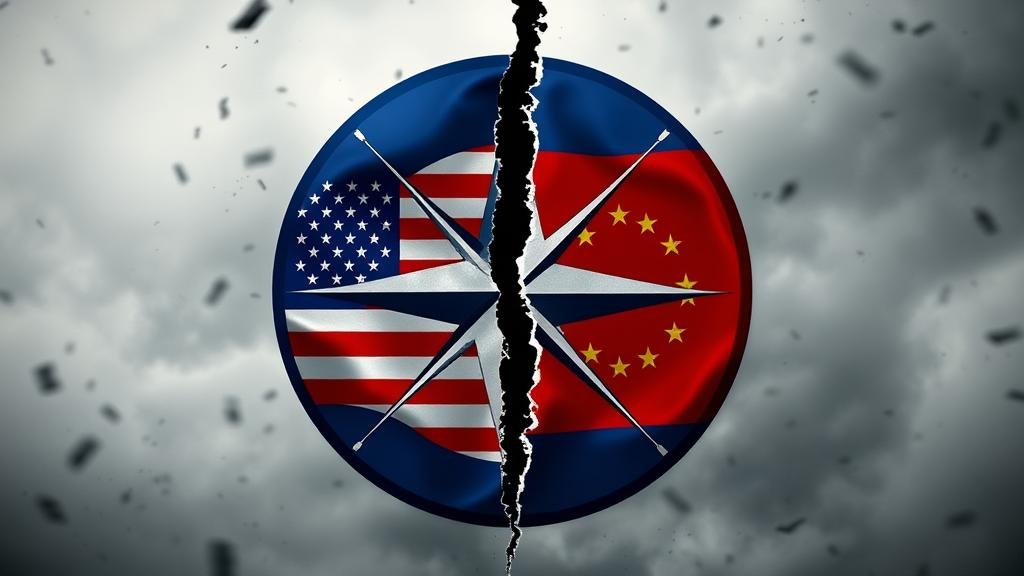
What happens when you mix complex geopolitics with a deeply controversial peace proposal? You get the current US-Ukraine peace plan, a 28-point document that has created a significant rift between the United States and its European allies, leading to a divided West.
The 28-Point Plan: A Risky Concession?
The US recently introduced a 28-point peace plan for Ukraine, and the reaction from Europe has been one of alarm. While the goal is peace, the terms of the proposal have many European nations concerned.
The plan reportedly includes major concessions to Russia, such as limitations on NATO, the establishment of no-go zones for military deployments in Eastern Europe, and a formal acknowledgment of Russia’s “security interests.”
Giving Russia a say in its neighbors’ defense decisions is like appointing a wolf to the neighborhood watch committee. It would create a buffer zone of nations unable to ally with the West, leaving countries like Poland and the Baltic states vulnerable. For them, this isn’t just a policy debate; it’s a direct threat to their security.
A Tale of Two Proposals: Sovereignty vs. A Quick Fix
This situation presents two starkly different paths to ending the Russia-Ukraine war: “Sovereignty & Justice” versus “Let’s Just Get This Over With.”
The European counter-proposal, which has Kyiv’s full support, is straightforward: a complete withdrawal of Russian forces from all of Ukraine, reparations for damages, and robust security guarantees to prevent future aggression.
Moscow’s response to the European plan was a dismissive constructively doesn’t fit us at all
—the diplomatic equivalent of a hard pass. In contrast, they have warmly received the US proposal, which strongly suggests which deal they believe serves their interests.
The Geopolitical Fallout: A Divided West
What we are witnessing is a fundamental disagreement within the Western alliance. The US views its plan as a pragmatic way to end a devastating war, while Europe sees it as a move that rewards the aggressor.
This split is happening at a difficult time, as Europe is already dealing with energy crises and political instability. The last thing it needs is to lose faith in its primary security partner.
The core differences in the plans are stark:
- A Nation’s Right to Choose vs. External Influence: The European plan champions Ukraine’s sovereign right to choose its own alliances. The US plan appears to concede that Russia can have a sphere of influence over its neighbors.
- Accountability vs. Appeasement: Europe is demanding accountability for Russia’s actions. The US plan risks looking like an attempt to appease an aggressor to end the conflict quickly.
- Long-Term Security vs. a Temporary Fix: The European proposal aims to build a lasting and fireproof security framework. The US plan feels like a shortcut that could lead to a more significant crisis in the future.
This isn’t just a tactical disagreement; it’s an identity crisis for the West.
The View from Kyiv: A Betrayal in the Making?
From Ukraine’s perspective, this is a gut punch. After fighting valiantly for their existence, the idea of a “peace” that compromises their sovereignty is seen as a profound betrayal.
President Zelenskyy has been unequivocal: a just peace requires a complete Russian withdrawal from all Ukrainian territories, including Crimea.
After more than a year of immense sacrifice, being treated as a pawn in a great-power negotiation is deeply insulting. Ukraine’s message is clear: “We are not a bargaining chip.”
What Happens Next? A Precarious Path to Peace
The path forward is uncertain, as the starting points for negotiation are miles apart. The danger is that the United States could pressure its allies into accepting a peace that feels more like a thinly veiled surrender. Such a deal might stop the fighting, but it would set a dangerous precedent that aggression pays off.
A lasting peace is possible, but it cannot be achieved by sacrificing another nation’s security. True European security cannot be built on a foundation of appeasement. The entire continent’s stability is a house of cards we can’t afford to see collapse.