Secret Negotiations: Inside the US-Led Russia-Ukraine Peace Talks in Abu Dhabi
In an unexpected geopolitical development, reports have emerged of secret negotiations in Abu Dhabi aimed at brokering a peace deal between Russia and Ukraine, with U.S. Army Secretary Dan Driscoll at the helm. This surprising move represents a significant shift in diplomatic strategy, moving from public debate to discreet, back-channel negotiations. While the world’s attention has been elsewhere, these high-stakes discussions could either mark a pivotal step toward a resolution or a precarious diplomatic gamble.
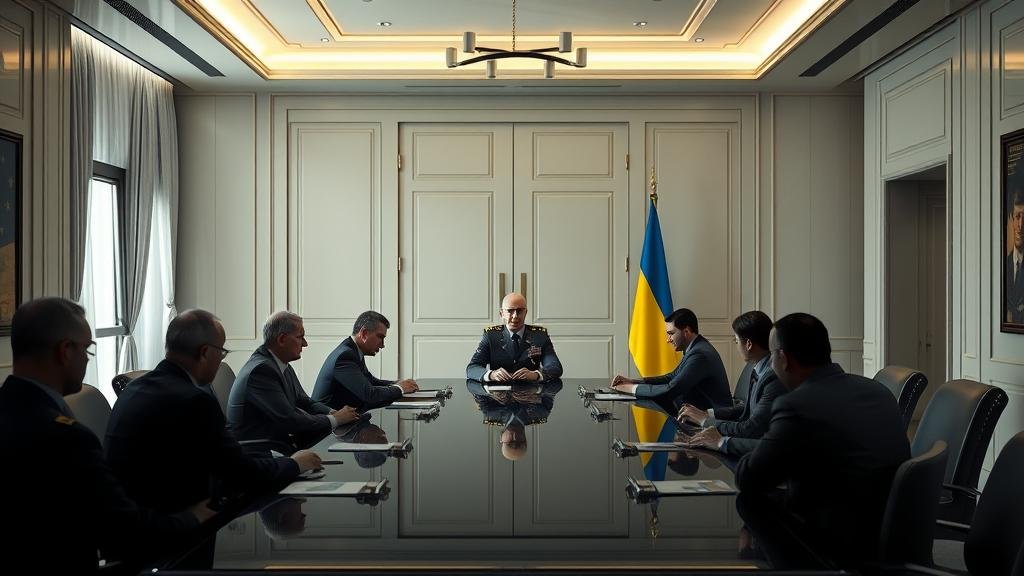
The Mediator: Who is Dan Driscoll?
Dan Driscoll is not a conventional diplomat. With a background in military intelligence and special operations, he is known more for decisive action than for political maneuvering. Appointed as Secretary of the Army, his focus has been on execution and results rather than public relations. Supporters argue that his direct, no-nonsense approach is precisely what is needed to cut through the political stalemate. He is seen as a pragmatist, there to determine if a viable peace agreement is achievable, not to engage in lengthy political theater.
Inside the Abu Dhabi Meetings: A Glimmer of Hope?
Details from the Abu Dhabi meetings remain scarce, with discussions reportedly held under a strict veil of secrecy. The choice of the United Arab Emirates as a venue is strategic; the UAE’s neutrality in the conflict provides a suitable setting for these sensitive talks. While the full agenda is not public, the fact that both Russian and Ukrainian representatives are present in the same city for a U.S.-led dialogue is a significant breakthrough. It signals a proactive American effort to facilitate a diplomatic solution and create a framework for peace.
A New Geopolitical Strategy for the U.S.
This initiative indicates a major evolution in the U.S. approach to the conflict. After providing substantial financial aid to Ukraine, the administration appears to be pivoting toward direct diplomatic intervention to end the war. This is a high-risk, high-reward strategy. A successful outcome could position Driscoll as a heroic peacemaker, but a failure could result in a significant diplomatic setback for the administration. Any potential ceasefire agreement will face intense scrutiny, but the potential to save lives and stabilize the global landscape makes it a worthy endeavor.
The Global Reaction: Cautious Optimism and Skepticism
The international community is watching these developments with a mix of cautious optimism and profound skepticism. For the millions impacted by the war, any prospect of peace offers a vital lifeline. However, previous negotiation attempts have often failed, leaving many wary of the potential for another collapsed deal. Leaders globally are concerned with the details of any proposed settlement, questioning whether it can deliver a just and lasting peace or if it will be a temporary measure.

The Obstacles to a Lasting Ceasefire Agreement
The path to a durable peace is fraught with formidable challenges. The most significant hurdles include territorial disputes, which remain a primary point of contention. Furthermore, Ukraine is seeking ironclad security guarantees to prevent future aggression, while Russia is insistent on Ukraine’s non-alignment with NATO. Finally, the complex issue of accountability for war crimes presents a major moral and legal obstacle. Finding common ground on these deeply entrenched issues requires a monumental diplomatic effort.

Economic Implications of a Peace Deal
A resolution to the conflict would have far-reaching effects on the global economy. The war has caused severe disruptions, leading to volatile energy prices, strained supply chains, and rising inflation worldwide. A peace deal could act as a stabilizing force, likely leading to a drop in energy costs and allowing Ukraine to resume its role as a major food exporter. This, in turn, could help alleviate inflationary pressures and restore a degree of predictability to the global market.
A Fragile Hope for the Future
The secret talks in Abu Dhabi represent a fragile but important flicker of hope. While the journey ahead is long and filled with political risks, the willingness to engage in dialogue is a crucial first step. The task facing Dan Driscoll is immense, but a successful diplomatic solution would have a profound and positive impact on global stability and security. The world watches, hoping this time, a path to peace can be found.