Navigating High-Stakes Diplomacy: Inside the US-Led Russia-Ukraine Peace Talks
In a significant diplomatic development, the United States has initiated clandestine peace talks between Russia and Ukraine, aiming to navigate a path toward resolving the ongoing conflict and ensuring global stability. U.S. Army Secretary Dan Driscoll is leading these high-stakes negotiations, meeting with delegations from both Kyiv and Moscow in an attempt to broker a peace deal. This move has captured the attention of the international community, which awaits the outcome with cautious optimism.
A New Diplomatic Front
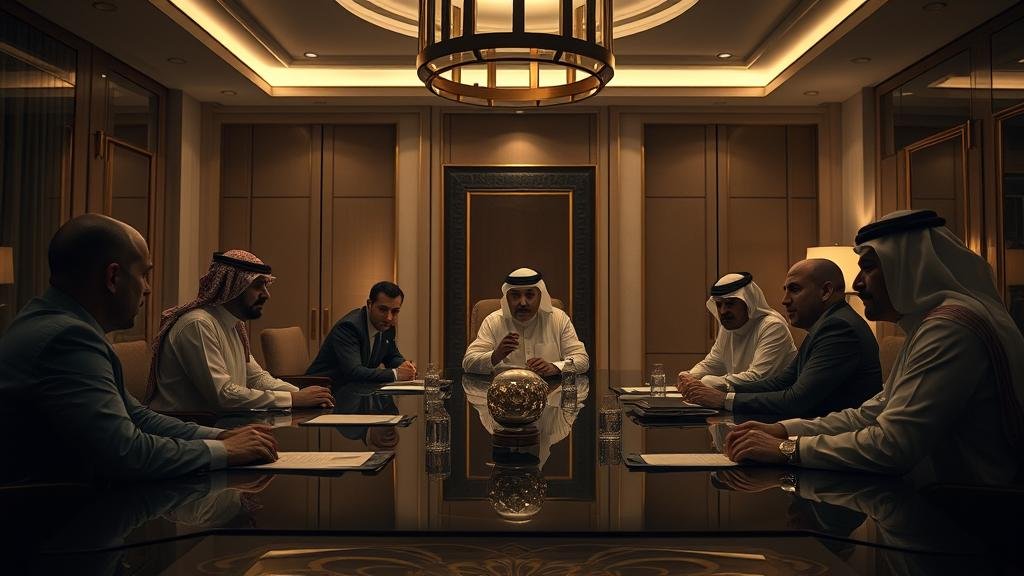
The discreet talks, held in the neutral city of Abu Dhabi, signal a concerted effort to de-escalate the conflict away from the public eye. The choice of a top military official like Secretary Driscoll to lead the discussions indicates that the focus is on a substantive security dialogue. The conversations are centered on the hard math of military security, including troop movements and security guarantees, which are critical components for any lasting peace.
The Key Stakeholders
U.S. Army Secretary Dan Driscoll: As the mediator, Secretary Driscoll represents the superpower that has been a major financial and military supporter of the war effort. His military expertise provides a crucial perspective on the security architecture needed for a sustainable peace. His role is to identify a viable path forward that addresses the security concerns of both nations.
The Kyiv Delegation: For Ukraine, these negotiations are a matter of national survival. Their primary objectives are to secure a peace agreement that respects their sovereignty and territorial integrity, a complete withdrawal of foreign troops, and the establishment of an ironclad international security system to prevent future aggression.
The Moscow Delegation: Russia’s motivations are complex, driven by a desire to protect its strategic interests. After a protracted and costly conflict, a peace deal that addresses their security concerns regarding the expansion of Western military alliances is a key priority. The negotiations require a delicate balance to accommodate their geopolitical objectives.
The Global Stakes
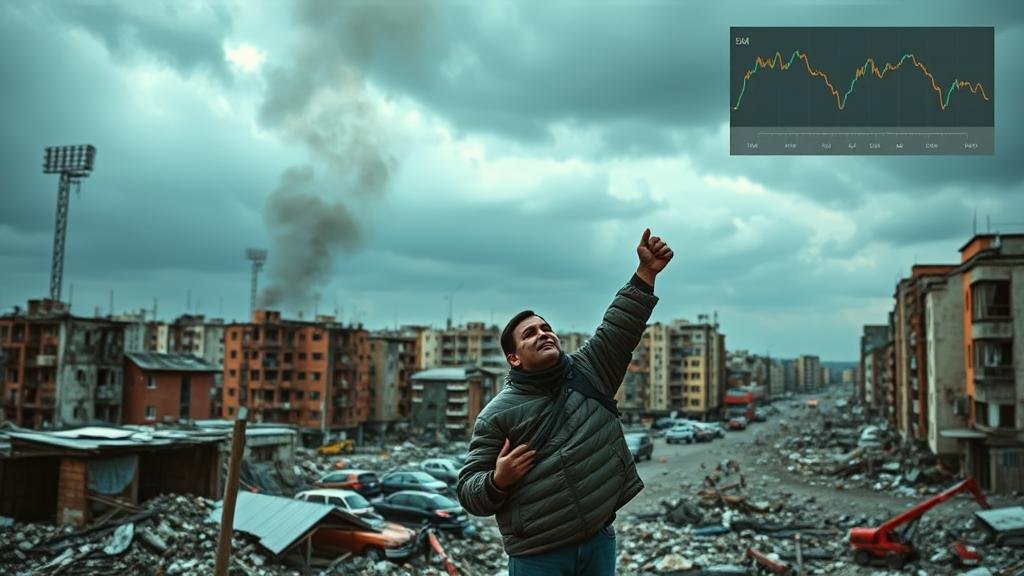
The conflict has had devastating consequences, leading to a severe humanitarian crisis with millions displaced and cities destroyed. The economic ripple effects have disrupted global supply chains and contributed to worldwide inflation. A successful peace deal is not just about ending the fighting; it is about beginning the arduous process of rebuilding shattered lives and economies. However, the path to a resolution is fraught with challenges, including deep-seated mistrust and conflicting objectives.
The International Reaction
The global community has been closely monitoring the conflict, employing a combination of sanctions, humanitarian aid, and diplomatic pressure. The U.S.’s recent pivot towards direct, high-level diplomacy has received a mixed response. While some allies view it as a proactive step towards peace, others are concerned it may indicate a weakening of Western resolve.
What Would a Potential Peace Deal Entail?
While the specific details of the negotiations remain confidential, any comprehensive peace agreement would likely include the following key elements:
- Ceasefire and Troop Withdrawal: A complete cessation of hostilities and a verifiable, scheduled withdrawal of all foreign forces.
- Security Guarantees: Legally-binding security guarantees for Ukraine from major global powers to ensure long-term stability.
- Political Settlement: A political resolution for the disputed territories and a new security framework for Eastern Europe.
- Economic Reconstruction: A large-scale economic plan to fund the reconstruction of Ukraine’s infrastructure and economy.

The Road Ahead
The talks in Abu Dhabi represent a critical first step on a long and challenging journey. While there is no guarantee of an immediate breakthrough, the re-opening of a channel for dialogue offers a glimmer of hope. After a period of intense conflict, this initiative signifies that the door to diplomacy is never fully closed.
The world is watching, hopeful that these negotiations will mark the beginning of a safer, more peaceful future for millions. No pressure, Mr. Driscoll.