Russia Draws a Line in the Snow: The Future of U.S.-Russia Diplomacy and the Ukraine War
In the intricate dance of international diplomacy, where the words of world leaders can shape the course of history, recent statements from Russian Foreign Minister Sergei Lavrov have sent ripples across the geopolitical landscape. The message is clear: when it comes to resolving the Russia-Ukraine war, Moscow is firm on its position, which it believes was established during the post-Alaska talks. This development has intensified geopolitical tensions and raises critical questions about the future of U.S.-Russia relations and the prospects for a lasting peace plan.
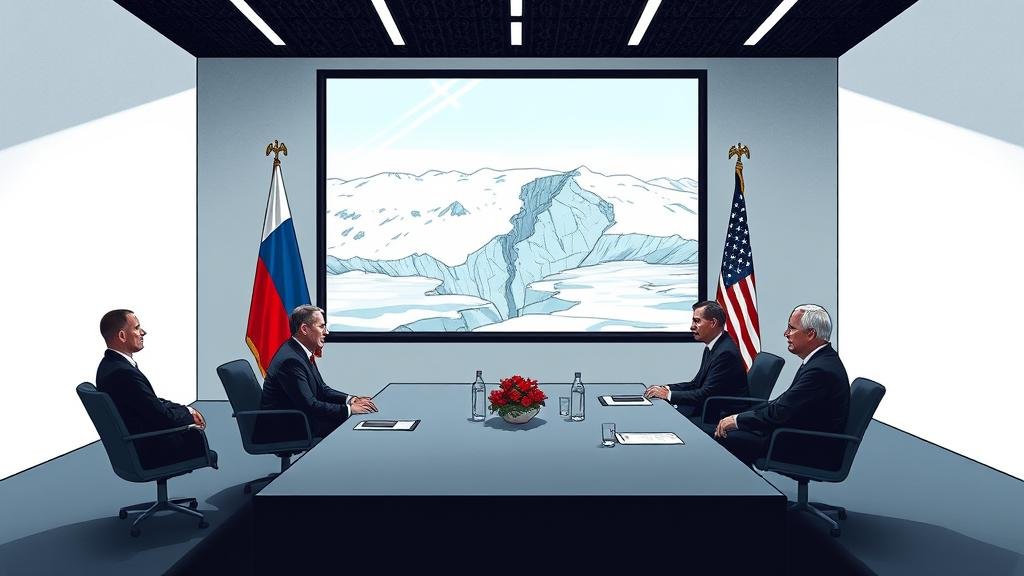
The Alaska Process: A Fragile Framework for Peace
The “Alaska process” refers to a series of high-stakes negotiations between U.S. and Russian officials in Anchorage. These talks, while tense, were viewed as a foundational step toward de-escalating the conflict in Ukraine. According to Lavrov, Russia presented a framework for a potential agreement during these meetings. Now, Moscow is accusing the United States of veering from the original understanding.
“The process…is not over,” Lavrov stated, signaling that Russia is waiting for the U.S. to realign with the proposed framework. This firm stance suggests that any deviation could lead to a diplomatic stalemate, leaving the path to peace more precarious than ever.
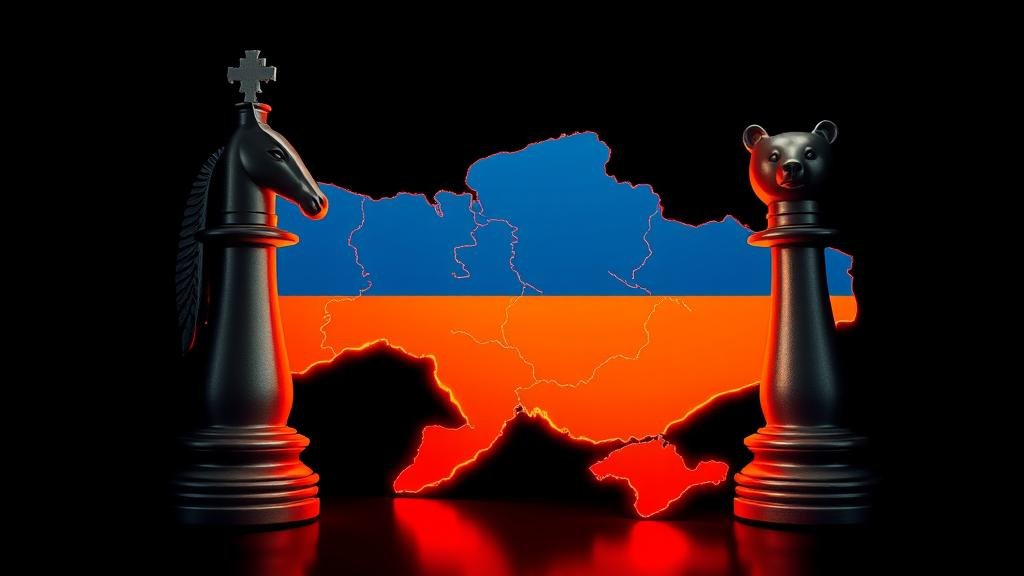
The Core of the Dispute: Sovereignty and Security
The details of the proposal remain confidential, but the core issues are widely understood to revolve around the status of Crimea and the Donbas region, as well as Russia’s broader security demands. The United States and its allies remain steadfast in their support for Ukraine’s sovereignty and territorial integrity, making any concession that compromises Ukraine’s land a non-starter.
Diplomats are thus faced with the monumental task of finding a solution that addresses Russia’s security concerns without undermining Ukrainian sovereignty—a challenge that has so far proven to be a logistical and political minefield.
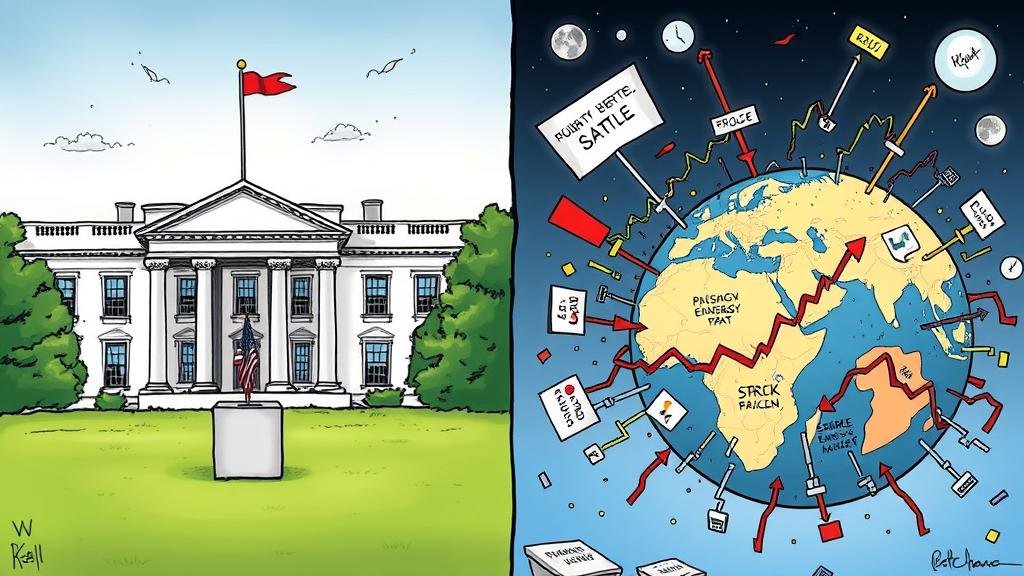
The U.S. Election Factor: A Diplomatic Wildcard
Adding another layer of complexity to these negotiations is the upcoming U.S. presidential election. Lavrov’s recent comments about former President Trump’s evolving stance on Ukraine indicate that the Kremlin is closely monitoring a potential shift in American politics.
This has led to speculation that Russia may be playing a waiting game, hoping for a more favorable deal from a new administration. This political gamble introduces a significant element of uncertainty into the diplomatic process, making a near-term resolution less likely.
The Global Consequences of Diplomatic Failure
Should these diplomatic efforts collapse, the consequences could be severe. A return to full-scale conflict would not only be a humanitarian catastrophe but would also trigger significant shockwaves through the global economy. A breakdown in talks would likely lead to further instability in energy markets, disrupt supply chains, and negatively impact financial markets worldwide.
The current chasm of mistrust between Russia and the West is deep, and bridging it will require a level of diplomatic finesse and commitment that has not been seen in recent times. This is a critical moment for global security.
Key Developments to Monitor
- Washington’s Response: The U.S. administration’s next move will be a crucial indicator of whether the “Alaska process” can be salvaged.
- The Role of Europe: The European Union’s ability to mediate and maintain a united front will be essential in shaping the diplomatic landscape.
- Actions on the Ground: Ultimately, the military situation in Ukraine will continue to heavily influence the negotiating positions of all parties involved.
A Precarious Path to Peace
The road to resolving the Russia-Ukraine war is fraught with challenges. With Lavrov’s recent declarations, Russia has drawn a clear line, and the international community now waits to see how the U.S. and its allies will respond. The decisions made in the coming months will have far-reaching implications for global security and the stability of the international order for years to come.