Russia’s Red Line: Decoding the High-Stakes Geopolitical Chess Match Over Ukraine’s Future
International diplomacy can be a minefield. It’s a high-stakes game of chess where every move is scrutinized, and the consequences of a misstep can be catastrophic. Right now, the world is watching as Russia, Ukraine, and the US are locked in a tense standoff, with the fate of millions hanging in the balance.
In a bold move, Russian Foreign Minister Sergei Lavrov has drawn a proverbial red line in the sand. He has unequivocally stated that any peace plan for Ukraine proposed by the United States must align with a mysterious, unconfirmed agreement allegedly forged during the “Alaska talks” between Vladimir Putin and former President Donald Trump. Anything less, Lavrov warns, is a non-starter. This ultimatum has sent shockwaves through the international community, leaving many to wonder: what exactly was decided in those clandestine meetings?

The Elusive “Alaska Talks” and Russia’s Core Demands
The “Alaska talks” remain shrouded in secrecy, their substance as elusive as a ghost in the fog. This ambiguity, however, is a powerful tool for the Kremlin. By constantly alluding to this secret pact, Russia can effectively frame any alternative peace proposal as a betrayal of a pre-existing understanding. While the specifics of the “Alaska talks” are unknown, Russia’s “greatest hits” of demands are likely to include:
- Ukraine’s Neutrality: A guarantee that Ukraine will never join NATO. This is a cornerstone of Russia’s security concerns, a geopolitical “you can’t sit with us” that would fundamentally alter the balance of power in Eastern Europe.
- Territorial Concessions: Russia is not seeking a second opinion on its claims to Crimea and other Ukrainian territories. These are non-negotiable demands that fly in the face of international law.
- “De-Nazification” and “De-militarization”: These intentionally vague terms are a euphemism for a complete overhaul of Ukraine’s government and military, dictated by Moscow.
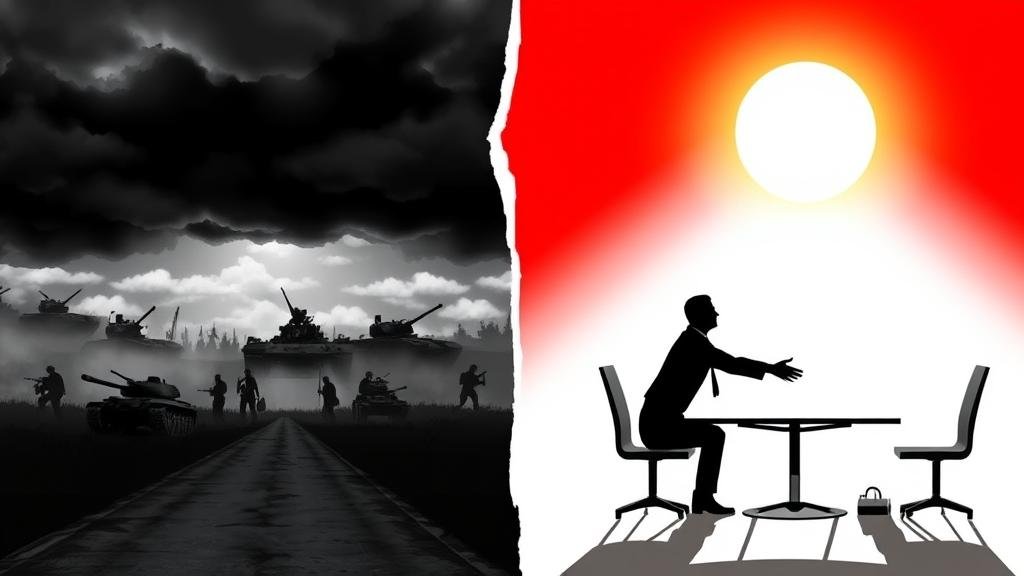
The US Peace Plan: A Glimmer of Hope or a Recipe for Disaster?
Meanwhile, the United States is reportedly circulating a modified peace plan, one that has received the crucial endorsement of Kyiv. This isn’t just a Washington-led initiative; Ukraine is an active participant in shaping its own destiny. However, this is where the plot thickens. The American proposal is likely to diverge from Russia’s demands on several key points:
- Territorial Integrity: The US and its allies will not simply rubber-stamp Russia’s annexation of Ukrainian land. They are more likely to propose a complex, UN-supervised referendum, a solution that Moscow is almost certain to reject.
- Security Guarantees for Ukraine: Instead of forcing Ukraine into a position of neutrality, the US plan would likely offer robust security guarantees from a coalition of international partners. This is a direct challenge to Russia’s desire to see a weakened, isolated Ukraine.
- Accountability and Reparations: The new proposal may very well include provisions for war crimes accountability and a massive reparations package to rebuild Ukraine. Moscow’s response to this is a foregone conclusion: a resounding “nyet.”
The Road Ahead: A Protracted Conflict or a Path to Peace?
Lavrov’s hardline stance has thrown a wrench into the delicate machinery of peace negotiations. The current situation can be summed up as follows:
- A High-Stakes Game of Diplomatic Chicken: Moscow is testing the Biden administration’s resolve, daring it to propose a plan that deviates from Russia’s demands. The US is caught between its commitment to supporting Ukraine and its desire to avoid a protracted conflict that could destabilize the entire region for years to come.
- A Long and Difficult Road Ahead: If neither side is willing to compromise, the war will continue. Both Russia and Ukraine seem to believe they can still achieve 他們的目標 on the battlefield, a belief that is the mortal enemy of a negotiated settlement.
- The Crucial Role of Back-Channel Diplomacy: While public pronouncements are often filled with bravado and posturing, the real work of diplomacy happens behind closed doors. It is in these quiet, unobserved conversations that the seeds of peace may yet be sown.
The path to a lasting resolution in Ukraine is fraught with obstacles. It will require a level of political will and a willingness to compromise that is currently in short supply. The world watches, holding its breath, hoping that diplomacy can triumph over destruction.