The AI Chip Gold Rush: Navigating the Semiconductor Market Correction
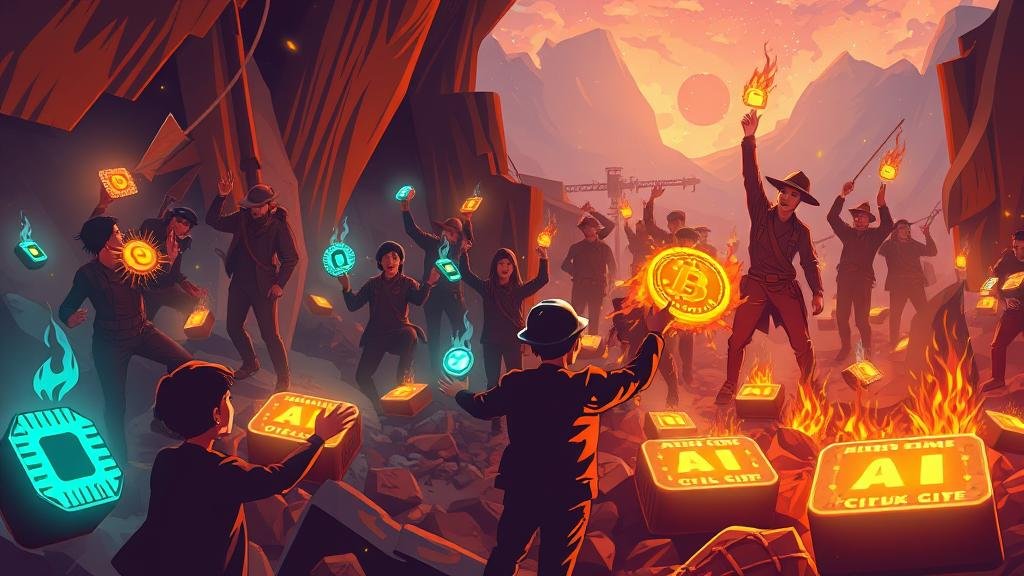
The AI Gold Rush: A Bubble in the Making?
To understand the recent semiconductor market correction, we need to talk about the party it was throwing. For the last few years, the chip market has been an absolute rager—a full-on AI chip boom fueled by the insatiable demand for GPUs (Graphics Processing Units), the engines powering the AI revolution.
The demand for AI created a feedback loop that made your high school gossip chain look tame. AI needs chips, which drives up demand and stock prices. This, in turn, gets everyone talking about AI, further fueling the need for more chips. This FOMO-driven frenzy led to what many now see as inflated valuations, with companies at the heart of the storm reaching market caps that would make small countries blush. The question wasn’t if the music would stop, but who would be left without a chair when it did.
Cue dramatic pause.
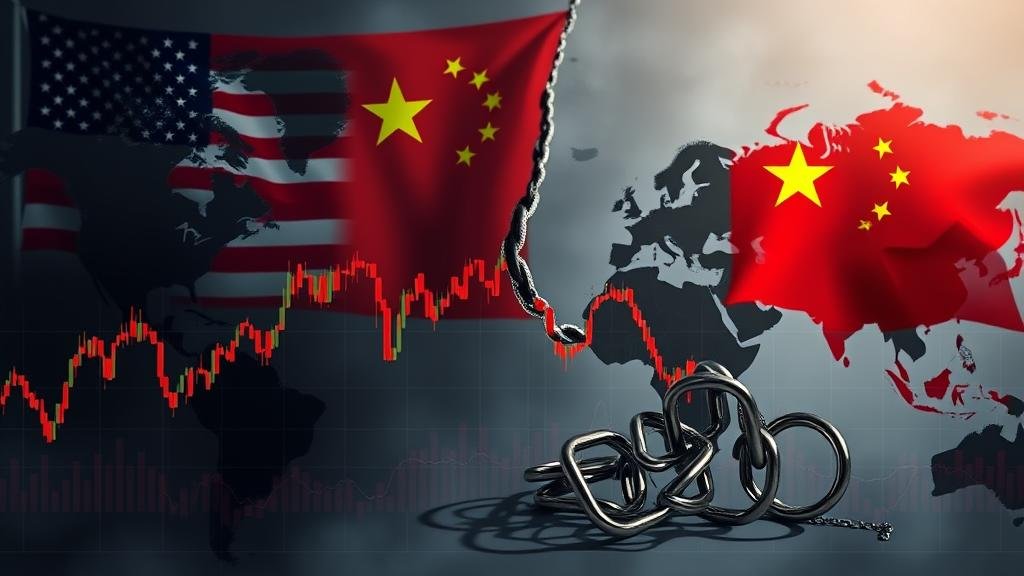
The Correction Hits: A Global Sell-Off
The “when” arrived with all the subtlety of a toddler with a new drum set. This wasn’t just a dip; it was a global, synchronized market pullback. Major players in Asia, like Samsung and TSMC—the bedrock of the chip world—got hit hard, sending a shiver across markets from New York to Taipei.
So, what sour note stopped the music? A cocktail of anxieties, with a few key ingredients:
- Fears of an Overheated Market: Investors finally looked at the stock charts and questioned if prices were based on reality or just good vibes. As it turns out, vibes don’t pay the bills.
- Profit-Taking: After watching their money multiply, many decided it was time to cash in their chips, triggering a selling spree in a jumpy market.
- Growing Investor Caution: With whispers of inflation and interest rates, folks are getting nervous about risk. High-growth tech stocks are often the first to feel the heat when the economy gets rocky.
- Geopolitical Tensions: The semiconductor industry is the main arena for the US-China tech rivalry. Any rumor of new rules or supply chain disruptions is enough to make the whole market break out in a cold sweat.

What This Means for Investors: A Creditnewsinsider Perspective
Watching your portfolio nosedive is about as fun as assembling IKEA furniture without instructions. But before you panic-sell everything, let’s put on our serious-but-still-cool-uncle hat.
Still with us? Great. Here’s the game plan:
- Don’t Panic: Rule number one: don’t make emotional decisions. Take a breath, step away from the “sell” button, and remember your long-term goals.
- The Long-Term Outlook Is Still Solid: Despite the drama, the world isn’t going to stop needing powerful chips. The AI revolution is just getting started, and technologies like IoT, electric cars, and cloud computing all depend on semiconductors.
- Diversification Is Your Best Friend: This sell-off is a painful reminder not to put all your eggs in one basket. Spreading your investments around helps you sleep at night.
- Do Your Homework: Not all chip stocks are created equal. Before you invest, dig into a company’s business, its competition, and whether its price makes sense.
- Consider This a Strategic Buying Opportunity: If you believe in the long game, this downturn could be a sale. Think about easing in by buying in stages to average out your cost and reduce risk.

The Future of the Semiconductor Industry 🤖
This market correction, while painful, might be a good thing—a reality check that washes out the hype. The road ahead will likely have more bumps, thanks to ongoing geopolitical tensions and supply chain drama.
But the long-term outlook is crystal clear: the world is only getting more digital, and semiconductors are the brains behind it all. The companies that continue to drive innovation by making more powerful and efficient chips will be the winners. The AI chip boom isn’t over; it just had a very public temper tantrum. And at the heart of its comeback tour? The humble semiconductor.
For those with a long-term view and a healthy dose of patience, the semiconductor industry outlook remains one of the most compelling stories in the market. It may be down, but it’s far from out. The digital future is still under construction, one tiny, powerful chip at a time.