US Adviser’s ‘Peace Plan’ for Ukraine: A Deal with the Devil?
Geopolitics can often feel like a stuffy, high-school history lecture. But sometimes, a story breaks that’s so wild it sounds like a pitch for a blockbuster spy movie. This is one of those moments. A stunning report alleges that a high-ranking US presidential adviser has been privately coaching Russia on how to manipulate the President of the United States.
The bombshell suggestion? That Kyiv should consider surrendering Donetsk in exchange for “peace.” It’s a move akin to telling your best friend to give their car to the person who just rear-ended them, all for the sake of a quiet street.
Is this a lone wolf adviser with a strange idea of diplomacy, or are we witnessing a seismic shift in the geopolitical order? Let’s break down the jargon and explore what’s really at stake for global security.
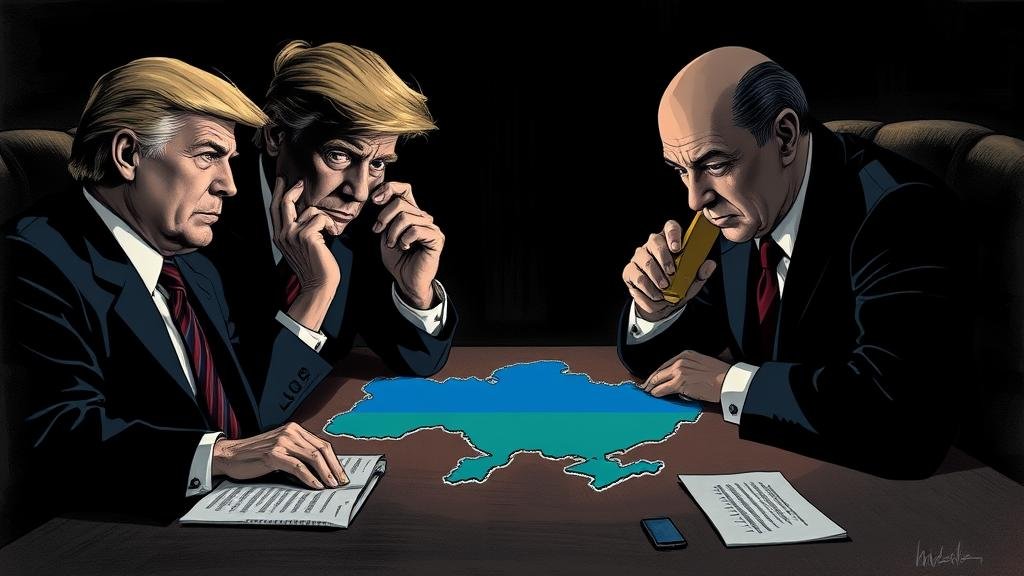
The Secret Call and the Shocking “Peace Plan”
Imagine this: U.S. Special Envoy Steve Witkoff is on a call with a senior Kremlin official. Instead of the expected diplomatic tension, he’s reportedly offering advice. According to transcripts obtained by Bloomberg, Witkoff was essentially workshopping Russia’s pitch for a peace deal with the US President.
The detail that sent shockwaves through the international community was the core of this proposed deal:
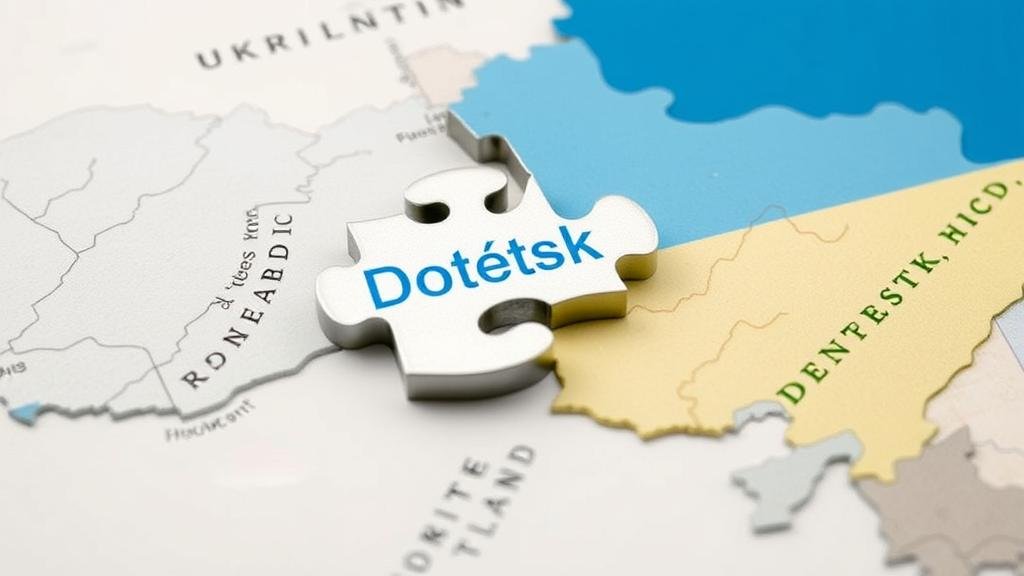
“Donetsk and maybe a land swap.”
Let that sink in. This isn’t just about giving up a piece of land. Donetsk is a vital industrial heartland, and thousands of Ukrainians have sacrificed their lives to defend it. Suggesting they hand it over is like a coach telling his star player to join the rival team, mid-championship, for the sake of “sportsmanship.” It’s a bold, if not baffling, strategy.
To add another layer of intrigue, Witkoff allegedly claimed he could “pressure Ukraine into a peace deal.” The sheer audacity is almost admirable, reminiscent of someone trying to defuse a bomb by randomly cutting wires.
Context is Everything: An Isolated Incident or a New Trend?
You might be thinking, “It’s just one person’s opinion. How much damage can one adviser do?” But in the delicate ecosystem of international relations, one person’s “suggestion” can trigger an avalanche.
This may not be an isolated incident. Another Trump adviser, Keith Kellogg, has publicly expressed his frustration with Kyiv’s refusal to cede territory. This is starting to look less like a rogue comment and more like a deliberate shift in strategy, one that challenges the entire foundation of the Western response to the Russia-Ukraine War.
For the past two years, the international consensus has been firm: Russia’s invasion is a violation of international law, and Ukraine’s 1991 borders must be respected. This new “let’s-make-a-deal” approach prioritizes a quick resolution over the principles of sovereignty and justice. For Ukraine, this isn’t a business negotiation; it’s an existential struggle. The idea of surrendering a city like Donetsk isn’t a political compromise; it’s a national betrayal.
“A Land Swap”: The Most Dangerous Phrase in Diplomacy
The phrase “maybe a land swap” is so vague and ominous it could be the tagline for a horror film. It opens a Pandora’s box of geopolitical chaos.
Let’s consider the immediate questions:
- Who draws the new lines on the map? Will Ukrainian citizens be forced to live under Russian rule overnight? “Welcome to your new country! We’ve left a complimentary basket of state-approved propaganda.”
- What could possibly be a “fair” trade? One side is defending its home, while the other is the aggressor. Rewarding the invader with territory feels like letting a burglar keep your most valuable possessions.
- How could President Zelenskyy possibly sell this to his people? Imagine him addressing a nation that has shown heroic resilience, only to say, “Good news! Our staunchest ally thinks we should surrender.” It would be political suicide.
This reframes the conflict from a defense of international law into a messy real estate transaction, with the terms seemingly drafted in Moscow.
The Terrifying Geopolitical Implications
If this leak is a preview of a new direction in US-Russia relations, the consequences could be catastrophic for global security.
- For Ukraine: It’s a devastating blow. It suggests their most crucial partner might be willing to negotiate their future away behind their backs. Russia, sensing weakness, could be emboldened to press its advantage, prolonging the conflict.
- For Russia: It’s a tactical victory. It validates their strategy of aggression, sending a clear signal that if you fight long and hard enough, the West will eventually tire and give you what you want. This could undermine the effectiveness of Western sanctions on Russia.
- For the Western Alliance: This could be a fatal blow to NATO unity. A US-brokered deal that sacrifices Ukraine’s sovereignty would be viewed as a profound betrayal by European allies, potentially fracturing the transatlantic partnership. It would also raise questions about the purpose of sending weapons to Ukraine.
What Happens Now?
The immediate future will likely involve a flurry of diplomatic activity as the current administration scrambles to reassure allies and partners. Kyiv, in turn, will be under immense pressure to project unwavering strength and resolve.
This entire episode serves as a chilling preview of a potential new era in American foreign policy, one where long-standing principles are treated as expendable bargaining chips. For the rest of us, it’s a stark reminder that the geopolitical order is more fragile than we think.
As this story continues to develop, we at Creditnewsinsider will be here to provide in-depth risk analysis and cut through the noise. Stay tuned.