The UK’s Mounting Tax Burden: What a 38% Tax-to-GDP Ratio Means for Your Wallet
The numbers are in, and they’re giving us all a collective case of the Sunday Scaries. Chancellor Rachel Reeves’ latest budget has confirmed it: the UK’s tax burden is set to climb to a whopping 38% of our Gross Domestic Product (GDP) by the end of this parliament.
If your eyes just glazed over like a Krispy Kreme, stick with me. This isn’t just boring government math; it’s the reason your payslip seems to be shrinking faster than a wool sweater in a hot wash. This figure has real, tangible consequences for your bank account, your savings, and maybe even your will to live. Okay, maybe that last one was a bit dramatic.
Here at Creditnewsinsider, we believe in making sense of the scary stuff. So, let’s break down what this record-breaking tax burden really means and how some savvy financial planning can help you navigate it.

A New Record in British Taxation (And Not the Fun Kind)
The recent budget has set the stage for a tax bill not seen in generations. The Office for Budget Responsibility (OBR)—a group of people who are way, way better at math than I am—forecasts this ratio will hit an “eye-watering 38.3 per cent in 2030/31.”
*Cue dramatic pause.*
To put that in perspective, this is higher than the tax levels during the post-war era, a time when the nation was literally rebuilding itself from rubble and launching the NHS. It’s a fundamental shift, beautifully summed up by LBC as an era where:
“if it moves, the government will tax it.”
I’m pretty sure my 7-year-old just hid his piggy bank.
Now, the government says this is all necessary to pay off our national credit card debt from the pandemic and keep the lights on at the NHS. Fair enough. But the road to fiscal stability is looking suspiciously like it goes straight through our back pockets.
Understanding the Tax-to-GDP Ratio (The Not-So-Boring Bit)
Alright, class, pop quiz time. Just kidding… mostly. Before we dive deeper, let’s get our heads around what this whole ‘tax-to-GDP ratio’ thing actually is. I promise to make it less painful than assembling IKEA furniture.
What is GDP?
Gross Domestic Product (GDP) is the total value of everything produced in the country. Think of it as the total size of the UK’s economic pie for the year. Every car built, every haircut given, every dodgy kebab sold at 2 a.m.—it all goes into the pie.
What is the Tax-to-GDP Ratio?
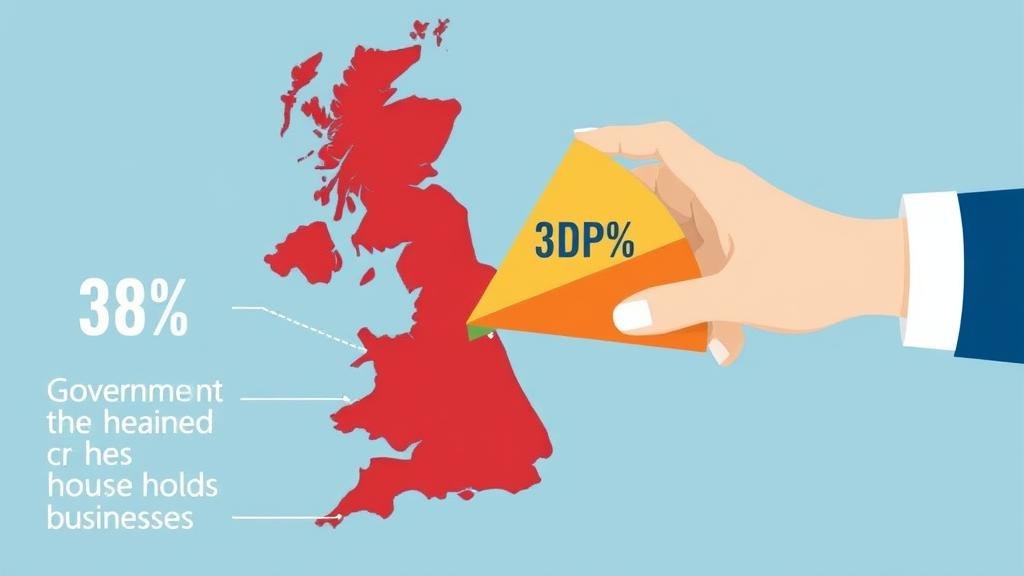
This is simply the slice of that economic pie the government comes and takes for itself. When the ratio is 38%, it means for every £100 of pie our economy bakes, the government helps itself to a £38 slice. It’s a single number that tells a massive story about who holds the purse strings: you, or them.
The Forces Driving the Tax Burden Higher
So how did we get here? Did someone just accidentally lean on the ‘Increase Taxes’ button? Not quite. It’s a mix of obvious policies and one particularly sneaky culprit.
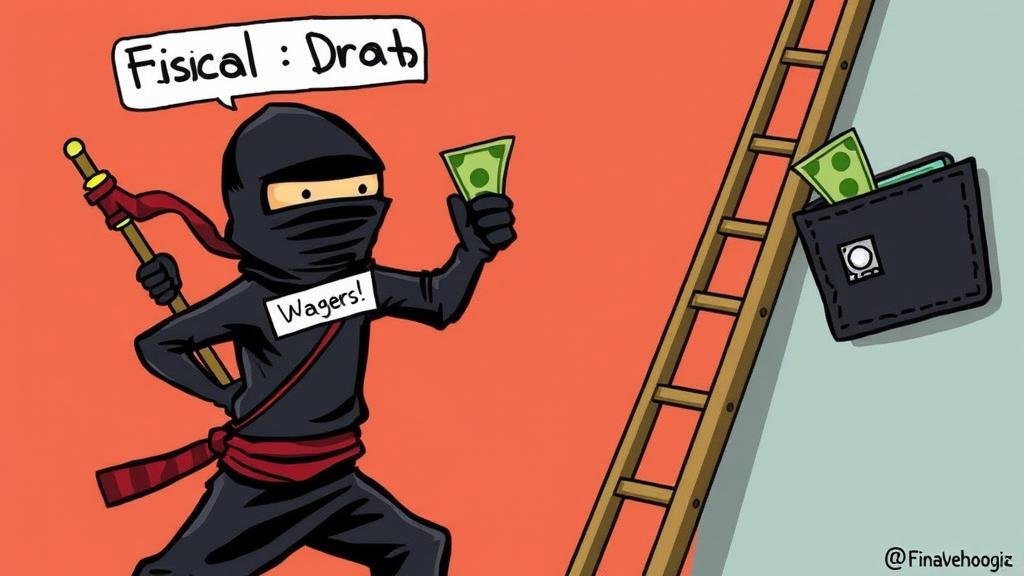
- Fiscal Drag (AKA The Stealth Tax): This is the ninja of taxes. For years, the government has frozen the income tax thresholds. So as your wages rise with inflation (yay!), more of your income gets pushed into higher tax brackets (boo!), and a bigger chunk of your pay rise vanishes before you even see it. It’s how the government gets more of your money without ever having to announce an income tax rate increase. Sneaky, right? This also applies to National Insurance contributions, making it a double whammy.
- Corporation Tax Hikes: This is a tax on business profits. Don’t own a business? Don’t tune out. Those costs have a funny way of showing up as higher prices at the checkout, smaller pay rises for employees, or making your pension fund a little less chubby.
- Capital Gains & Dividend Tax: Got some investments? A small business? The government has been shrinking the tax-free allowances here, meaning more people pay more tax when they sell assets or take dividends.
- A Broader Net: As some have noted, there’s been a whole slew of other levy rises. It seems anything that isn’t nailed down is being considered for a tax.
The Real-World Impact: What it Means for You (Yes, You)
Okay, we’ve waded through the theory. Let’s talk brass tacks.
For Households and Individuals
The most obvious gut punch is to your disposable income. You feel me? It’s the money left over after the taxman has had his fill. Less money for Friday night pizza, saving for a holiday that doesn’t involve a tent in the back garden, or just breathing a little easier at the end of the month.
For anyone trying to build a bit of wealth, this feels like running on a treadmill that’s tilted uphill. While you’re on fire. The squeeze on income makes it incredibly tough to save for a house deposit or a comfortable retirement.
For Small Businesses and Entrepreneurs
Small businesses are the lifeblood of our economy, but a high-tax diet isn’t exactly a recipe for growth.
- Less to Reinvest: Think of your local coffee shop owner. Higher taxes mean less cash to buy that fancy new espresso machine or to hire an extra barista for the morning rush.
- Hiring Hang-ups: It becomes more expensive to hire people, which can slow down job creation and put a lid on expansion.
- Losing Our Sparkle: A high-tax environment can make the UK look about as appealing as a wet weekend in Bognor Regis for international investors and homegrown go-getters.
The Path Forward: How to Navigate This High-Tax Reality
The government is walking a tightrope: fund public services without completely squashing the economy that pays for them. While they figure that out, we need a plan.
Key Takeaways:
- The UK’s tax take is heading to its highest level in over 70 years.
- It’s not just one tax; it’s a combination of stealthy freezes and direct hikes on things like income tax.
- The result? Less disposable income in your pocket and tougher conditions for businesses to grow.
Suggested Next Steps:
- Re-evaluate Your Financial Plan: No, seriously. Put down the cat video and look at your budget. With less take-home pay, a solid financial planning strategy is your new superpower.
- Maximize Tax-Efficient Savings: This is the boring bit that makes you richer. Effective tax planning involves making full use of your ISA allowance and getting friendly with your pension contributions. They’re like a legal invisibility cloak for your money.
- Stay Informed: Fiscal policy changes. Keep up with budget news. And since you’re already here, you’re in the right place. Still reading? Wow. You’re officially my favorite.
The road ahead calls for some smart financial footwork. The national accounts are a matter for chancellors, but your personal economy is all you. And yes, this will be on the test.