Navigating the UK’s Record Tax Burden: A Financial Survival Guide
The UK government has confirmed a significant fiscal shift: the nation’s tax burden is set to reach 38% of Gross Domestic Product (GDP), a level not seen in generations. This figure represents the highest tax-to-GDP ratio since the post-war era, signaling a substantial impact on personal and business finances across the country.
Understanding what this means is crucial for effective financial planning.

The 38% Tax-to-GDP Ratio: What Does It Mean?
The tax-to-GDP ratio is a measure of a nation’s total tax revenue relative to its economic output. A 38% ratio means that for every £100 of value generated within the UK economy, £38 will be collected in taxes.
Proponents argue this increased revenue is essential for funding vital public services like the NHS, education, and infrastructure, as well as managing the national debt accrued during the pandemic. However, a higher tax burden directly reduces the disposable income available to individuals and limits the capital businesses can allocate to investment, hiring, and growth.
Chancellor Rachel Reeves’s recent budget has solidified this trajectory, introducing a significant number of tax adjustments that contribute to this heightened fiscal environment.
Fiscal Drag: The Stealth-Tax Mechanism
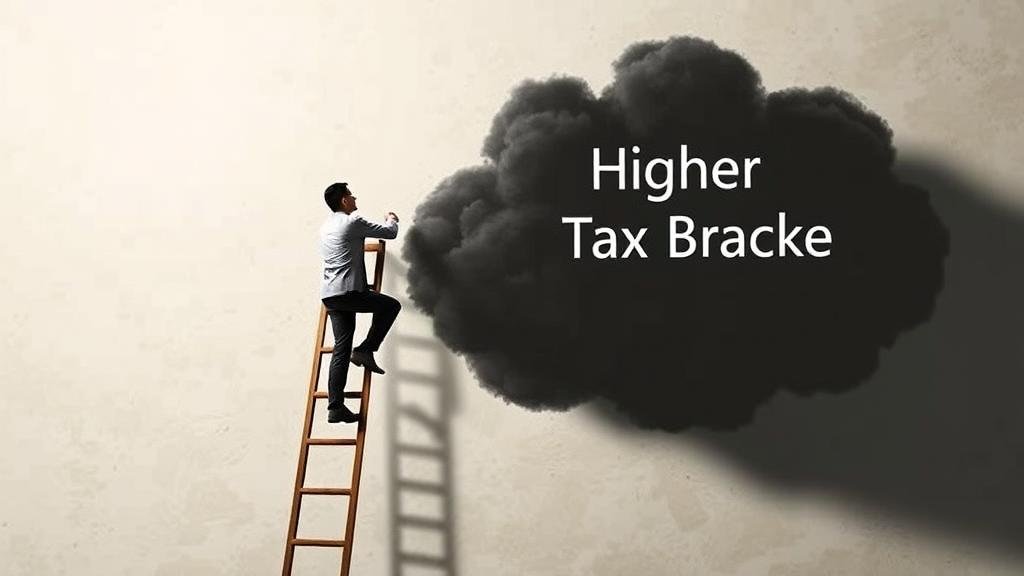
A key driver behind this increase is a phenomenon known as “fiscal drag”. This occurs when tax-bracket thresholds are frozen and not adjusted in line with inflation. As wages rise to keep pace with the cost of living, individuals are “dragged” into higher tax brackets, resulting in a greater proportion of their income being paid in tax, even though the official tax rates remain unchanged.
This “stealth tax” effectively increases the tax burden on households without formal legislative changes to tax rates, making it a subtle but powerful tool in fiscal policy.
How the Increased Tax Burden Affects You
The impact of a 38% tax-to-GDP ratio will be felt across the board, though the specifics will vary.
For Households:
The primary effect is a tightening of financial circumstances. Pay raises intended to offset inflation may be largely negated by the increased tax liability, putting pressure on savings, investments, and discretionary spending.
For Businesses:
Companies face reduced profits due to higher tax obligations. This can deter investment in expansion, innovation, and recruitment, potentially slowing down overall economic growth.
For Savers and Investors:
The environment for wealth creation is also changing. Adjustments to capital gains and dividend taxes mean that returns on investments are subject to greater taxation, making it more challenging to build long-term savings.

A 5-Step Guide to Navigate the High-Tax Environment
While the fiscal landscape is challenging, proactive financial management can help mitigate the impact.
- Conduct a Detailed Budget Review: Understand precisely where your money is going. A thorough budget analysis is the foundation of any effective financial strategy, allowing you to identify areas for optimisation.
- Maximise Tax-Efficient Savings Vehicles: Utilise the tax shelters provided by the government. Contributions to Individual Savings Accounts (ISAs) allow for tax-free growth on savings and investments, while pension contributions benefit from tax relief.
- Verify Your Tax Code: Your tax code, found on your payslip, determines how much tax is deducted from your income. An incorrect code can lead to overpayment. Ensure it accurately reflects your circumstances.
- Review Your Investment Strategy: In light of new tax rules on dividends and capital gains, reassess your investment portfolio. Ensure your assets are structured in the most tax-efficient manner possible. Consulting a financial advisor can provide clarity.
- Stay Informed: The financial and tax rules are subject to change. By staying current on fiscal policy through reliable sources, you can make timely adjustments to your financial plan.
Conclusion
The UK is entering a period defined by a historically high tax burden. While this policy aims to secure public finances, it places a significant strain on economic growth and personal wealth. For individuals and families, the clear takeaway is that diligent and informed personal financial planning is no longer just advisable—it is essential for securing a stable financial future.