Tragedy at the White House: National Guard Shooting Puts National Security and Afghan Refugee Policy Under Scrutiny
A shocking act of violence near the White House has left two West Virginia National Guard members critically injured, thrusting issues of national security and the 2021 Afghan evacuation into the national spotlight. The suspect, an Afghan national, is in custody, raising urgent questions about the vetting process for refugees.
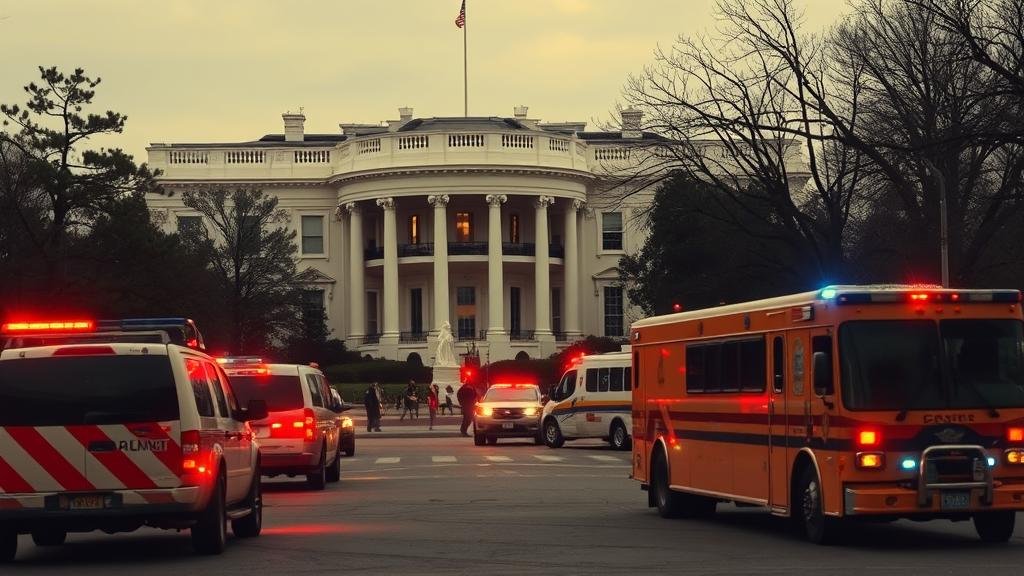
A Brazen, Targeted Attack
In what officials have described as a “targeted shooting,” two National Guardsmen were attacked in a location typically considered one of the most secure in the world. The brazen daylight attack prompted a massive emergency response and a federal investigation. This incident serves as a stark reminder of the risks faced by service members, even on domestic soil, and has triggered a major review of security protocols in the capital.
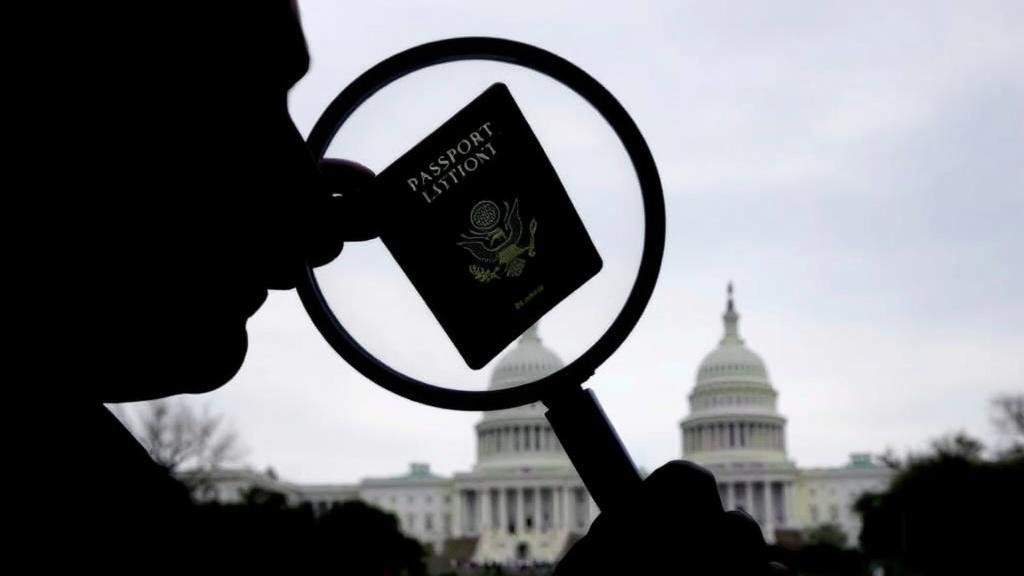
Suspect Identified as Rahmanullah Lakanwal
Authorities have identified the suspect as 29-year-old Rahmanullah Lakanwal, an Afghan national who arrived in the U.S. in 2021 under “Operation Allies Welcome.” This program was established to evacuate and resettle tens of thousands of Afghans following the Taliban’s return to power. The connection has ignited a political firestorm, with figures like former President Donald Trump labeling the White House shooting an “act of terror” and questioning the security of the evacuation flights.
The Human Cost: Service and Sacrifice
Beyond the political debate, two citizen-soldiers are fighting for their lives. These guardsmen from the West Virginia National Guard represent the profound commitment of those who volunteer to protect the nation. This attack is a devastating blow to their families and a sober reminder of the personal sacrifice inherent in military service.
National Security and Immigration Fallout
This single event has poured fuel on the contentious immigration debate. The core of the issue revolves around the vetting of over 76,000 Afghans evacuated during a chaotic period. While supporters emphasize the humanitarian imperative to save allies, critics now point to this incident as a catastrophic failure of the screening process. In a significant policy response, the U.S. has already suspended processing for all immigration requests from Afghans. The key questions now are:
- Was the 2021 vetting process adequate?
- How can the nation balance humanitarian aid with homeland security?
The Path Forward: Investigation and Accountability
As the investigation seeks to understand the motive—whether it was planned terrorism or a personal act—Rahmanullah Lakanwal faces a host of federal charges. The outcome will have massive implications for U.S. immigration policy and the status of thousands of Afghans resettled in the country. This moment is forcing a difficult but necessary national conversation about security, accountability, and compassion.
Conclusion: A Nation at a Crossroads
The White House shooting is a complex tragedy with far-reaching consequences. As we hope for the full recovery of the two wounded soldiers, the nation must pursue a response that is both just and clear-eyed. The path forward requires holding the perpetrator accountable while addressing the systemic vulnerabilities this attack has exposed, ultimately strengthening national security without sacrificing national values.