The $10 Billion Implosion: First Brands, Private Credit, and the Investigation Shaking Wall Street
Let’s dissect the drama in the auto parts industry. It might not be the latest streaming hit, but when a major car parts supplier like First Brands Group collapses, leaving a $10 billion hole and triggering a full-blown SEC investigation, it’s a story that demands attention. The First Brands bankruptcy isn’t just making waves; it’s a financial tsunami with the US securities watchdog at the center, asking, “How did this happen?”
A Titan’s Fall: The Shocking First Brands Collapse

Until its recent implosion, First Brands was a powerhouse in the auto parts world—a name synonymous with stability. Then, suddenly, it went from industry stalwart to a cautionary tale, leaving some of finance’s biggest players reeling from the impact. This wasn’t a slow decline; it was a spectacular failure that has sent shockwaves through the auto parts supply chain and, more importantly, the private credit market.
The fallout is massive. Lenders are scrambling, and the entire supply chain is on edge. But the real story here is the spotlight on the opaque world of private credit and the looming recession fears it’s stoking.
The Watchdog Awakens: An SEC Investigation into Investor Disclosures
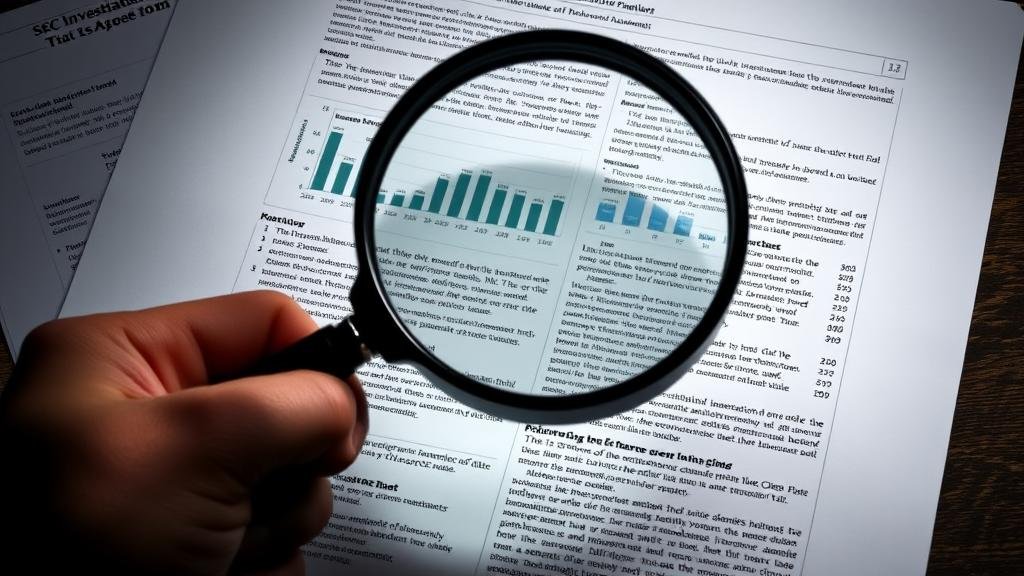
In the wake of the First Brands collapse, the SEC has launched a formal investigation. They’re not just looking at the company’s downfall but are zeroing in on what investors were—and weren’t—told. Regulators are now deep-diving into the investor disclosures, scrutinizing the fine print to determine if the systemic risk was clearly communicated or deliberately obscured.
This is a critical moment for financial transparency. When a company of this magnitude goes under, leaving a trail of bewildered investors and significant lender losses, it’s a clear signal for regulators to step in. The key question: was this a case of a bad business deal, or a failure in financial regulation?
Spotting the Red Flags: How Savvy Investors Avoided the Disaster
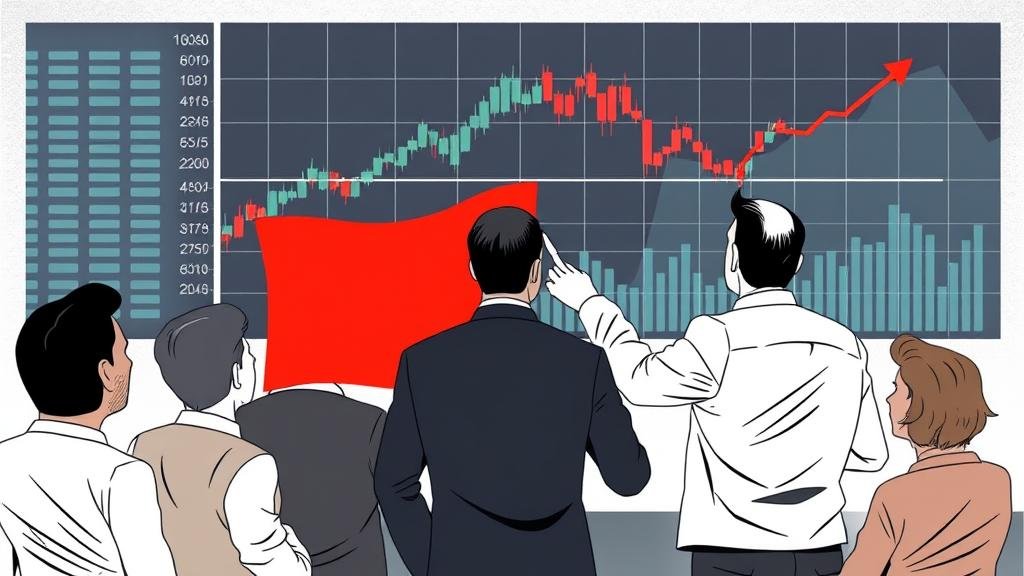
Here’s where it gets interesting. While many were caught in the financial crossfire, a few astute investors, including heavyweights like Apollo and Soros Fund Management, managed to dodge the bullet. How? They recognized the red flags and performed their due diligence.
These firms either refused to extend further credit to First Brands or strategically exited their positions before the house of cards came tumbling down. This raises a billion-dollar question: if the warning signs were visible to some, why were they missed by so many? The actions of the “smart money” suggest the risks were not just present but alarming, and that those warnings may have been buried in complex jargon or, worse, not disclosed at all.
Canary in the Coal Mine: Cracks in the Private Credit Market
The First Brands saga is exposing serious vulnerabilities in the private credit market, a booming sector where companies secure loans directly from large investment funds. This corner of finance, often called “shadow banking,” has grown popular due to the promise of high returns.
However, this market often lacks the transparency of public markets. That’s what makes the First Brands bankruptcy so alarming. Even Jamie Dimon, the CEO of JPMorgan, a bank that felt the sting of this collapse, warned of “more cockroaches” hiding in the private credit space. When a leader in finance starts talking about pests, you know the problem is more than just a minor infestation and could be a harbinger of broader economic trouble.
What This Means for You: Lessons from the First Brands Collapse

Every financial crisis offers a learning opportunity, and the First Brands implosion is a masterclass in risk management.
- Due Diligence is Non-Negotiable. The First Brands story underscores the importance of thorough research. Scrutinize the numbers, understand the business model, and trust your instincts when something seems off.
- Diversification is Your Shield. The investors hit hardest had all their eggs in one basket. Spreading your investments across different assets—practicing diversification—is a fundamental strategy for a reason. It’s less thrilling, but it’s a crucial safeguard.
- Follow the Smart Money. When financial giants like Apollo and Soros back away from a deal, it’s a powerful signal. You don’t need to mimic their every move, but it’s a cue to re-evaluate your own position and ask what they might know.
- Understand the Risks of Private Credit. The allure of high returns in private credit comes with a dark side: a lack of transparency. Its opaque nature means you need to be exceptionally cautious. If you decide to enter this market, be fully aware of the lending standards and the potential for downside.
The Road Ahead: A Reckoning for Private Credit?

The First Brands collapse is more than just another corporate bankruptcy; it’s a potential inflection point. The ongoing SEC investigation could be the catalyst that forces greater financial regulation and transparency upon the private credit market.
As this story continues to develop, one thing is certain: the era of easy money and lax oversight may be coming to an end. The First Brands saga is a wake-up call for investors and regulators alike. The critical question now is whether the industry will heed the warning before more “cockroaches” emerge, especially with persistent recession fears on the horizon.