The Lewiston, Maine Mass Shooting: A Preventable Tragedy Fueled by Systemic Failures
Let’s talk about the catastrophic breakdown of the very systems meant to protect us, a failure that culminated in a national tragedy. The story of Robert Card, the U.S. Army reservist behind the Lewiston, Maine mass shooting, isn’t just a headline; it’s a stark reminder that the monsters we fear aren’t always strangers. Sometimes, they are the people we train to be heroes. The most pressing question is: how does a man with a two-decade military career, a skilled marksman, end up turning on his own community?
The answer is a deeply unsettling cocktail of mental collapse, ignored warnings, and a level of institutional finger-pointing that would make a playground squabble look mature. The tragedy wasn’t forged on a distant battlefield; the real war was fought right here at home—inside Card’s mind and across a series of fatally blurred lines between the military, police, and medical professionals who all saw the train going off the rails and somehow failed to hit the brakes.
The Unraveling: A Masterclass in Dropping the Ball
In the summer of 2023, the picture of the competent soldier began to crack. According to a U.S. Army investigation, a series of “failures and breakdowns in communication” started piling up. His fellow reservists noticed his increasingly erratic behavior and paranoia. During a training exercise at West Point, his actions escalated, leading to a two-week psychiatric evaluation. This was a critical intervention point, but what followed was a catastrophic failure of follow-through.
Despite recommendations for continued treatment and no access to guns, Card was released. His unit failed to ensure he attended therapy and, crucially, neglected to use the proper channels to inform civilian police of the danger he posed, which would have triggered Maine’s “yellow flag” law. It was a game of hot potato with a live grenade, and everyone was just hoping someone else would catch it.

The Police Report You Have to Read to Believe
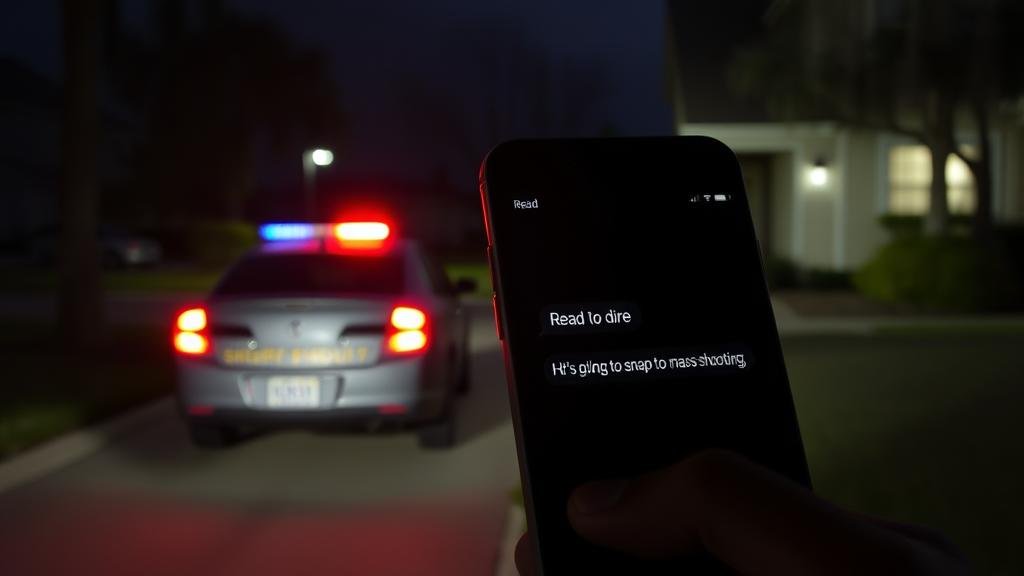
The military wasn’t the only one fumbling. When a fellow reservist explicitly told a sheriff’s deputy that his friend was “going to snap and do a mass shooting,” you’d expect an urgent response. He provided all the details: the paranoia, the cache of guns, the whole nine yards. Yet, the welfare check that followed was a drive-by hello. Deputies saw Card’s car but never made contact. The urgency of the Army’s message to the sheriff’s office was lost in translation, and a 911 call was treated like a pocket dial.
The Inevitable, Awful Conclusion
On October 25, 2023, the nightmare everyone was warned about became a reality. Robert Card committed the deadliest mass shooting in Maine’s history. He then vanished, triggering a massive, two-day manhunt before he was found dead from a self-inflicted gunshot wound. The shattered community was left to ask how this could possibly have happened.
The Independent Commission to Investigate the Facts of the Tragedy in Lewiston was established to find answers. Their report, along with the Army’s internal investigation, paints a damning picture of systemic failure. Communication between the Army, police, and medical providers was non-existent. The stigma surrounding mental illness in the military prevented Card from getting the help he desperately needed. And Maine’s “yellow flag” law, a tool designed for this very scenario, was left on the shelf.
The Lewiston tragedy was not a random act of violence. It was the final, bloody answer on a multiple-choice test where every single institution circled the wrong option. This is a case study in a crisis bigger than one man, a testament to a broken system. The question now is whether we, as a society, can finally learn our lesson and start protecting both our veterans and our communities.