The Lewiston Shooting: A Preventable Tragedy Fueled by Systemic Failures
The tranquil streets of Lewiston, Maine, were horrifically shattered on October 25, 2023, in a mass shooting that left 18 people dead and a community reeling. As the nation grieved, a critical question emerged: Who was the shooter, Robert Card, and how did the systems designed to protect us fail so catastrophically?
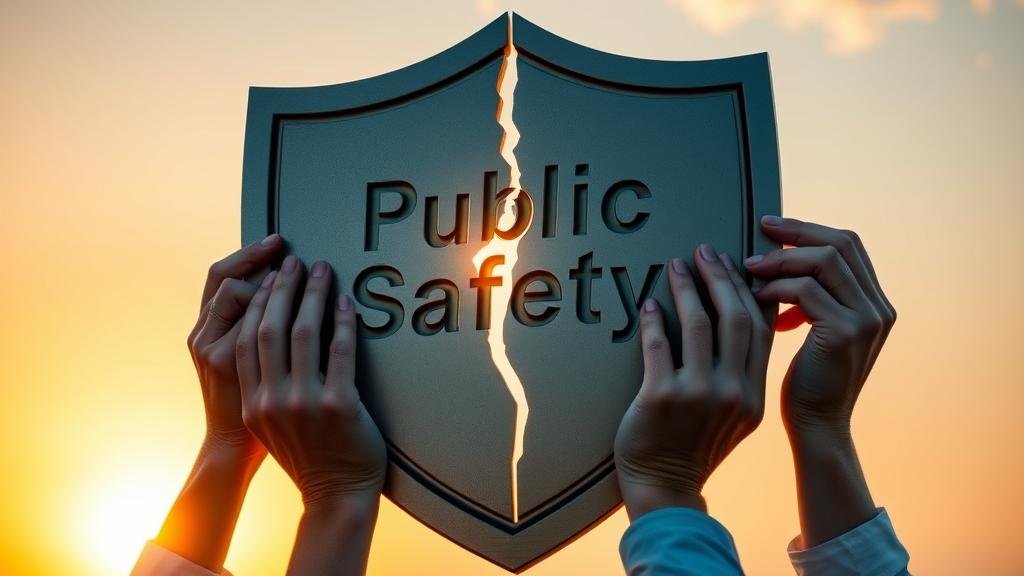
This is a difficult conversation, but it’s one we must have. Robert Card, a U.S. Army reservist, wasn’t a ghost; he was a blaring neon sign of a threat that his family, friends, and fellow soldiers recognized. This isn’t just the story of a lone gunman; it’s a devastating case study in missed red flags, communication breakdowns, and the systemic failures that enabled the Lewiston shooting. So, let’s unpack how this preventable tragedy unfolded.
Who Was Robert Card and Why Wasn’t He Stopped?
On the surface, Robert Card was a 40-year-old petroleum supply specialist in the U.S. Army Reserve. But beneath this ordinary exterior, his mental health was in a dangerous spiral. Family members reported that Card was experiencing severe paranoia, hearing voices, and making direct threats against his military unit. These clear warning signs led to a brief psychiatric hospitalization, but tragically, the follow-up was fatally flawed.
The attacks were brutally efficient, targeting the Just-In-Time Recreation bowling alley and Schemengees Bar & Grille. The subsequent two-day manhunt placed the entire state on lockdown before Card was found dead from a self-inflicted gunshot wound. His death ended the immediate crisis but ignited a firestorm of questions about accountability and prevention.

A Military Record Riddled with Red Flags
Card’s long service as a reservist is central to understanding the systemic failures. An internal Army investigation revealed a symphony of “failures and breakdowns in communication” that occurred in the months leading up to the Maine mass shooting.
According to reports, Card’s unit was acutely aware of his deteriorating mental state. During a training exercise, his erratic behavior prompted a mental health evaluation, and he was hospitalized for two weeks. However, the plan for his follow-up care was inadequate. His unit even requested a wellness check from local police after he threatened to “shoot up” a military base, but law enforcement felt they couldn’t intervene decisively. This was a critical miss in a long chain of them, a clear failure to connect the dots and act on credible threats. While some have questioned if his service history was a factor, official reports focus on his recent, well-documented mental health crisis and the system’s inability to respond effectively.
The System Is Blinking, But Is Anyone Home?
The story of the Robert Card shooting is a textbook example of warning signs that were impossible to miss.
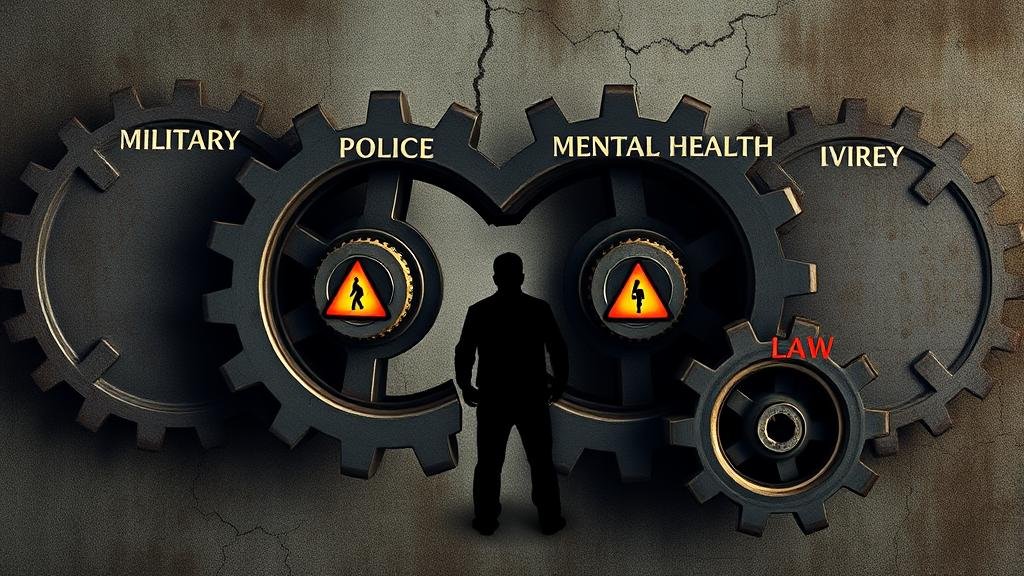
- Communication Breakdown: The Army Reserve, local law enforcement, and mental health providers all held pieces of the puzzle but failed to assemble them. This lack of inter-agency coordination created deadly gaps in the safety net.
- The Follow-Up Fiasco: After Card’s psychiatric hospitalization, the plan to monitor him and restrict his access to weapons was not effectively implemented. It was a catastrophic “out of sight, out of mind” failure.
- The Gun Loophole: Despite the clear evidence of his paranoia, threats, and hospitalization, Card could still legally own firearms. This devastating fact has intensified the national debate around red flag laws and gun violence prevention.
- The Stigma Problem: The military has long struggled with the stigma surrounding mental health. This culture often prevents service members from seeking help, and for those who do, resources can be critically lacking.
What We Must Learn from the Lewiston Shooting
The Lewiston tragedy must be a wake-up call. We have a mental health crisis affecting our service members and veterans, and the invisible wounds of service can have devastating consequences when left untreated.
This requires immediate action:
- Fully Fund and Destigmatize Military Mental Health: We need a robust, accessible, and stigma-free system for mental healthcare for our troops and veterans.
- Mandate Inter-Agency Coordination: Seamless communication between the military, law enforcement, and mental health professionals is not optional; it’s essential for public safety.
- Enact Common-Sense Gun Laws: We must strengthen red flag laws to ensure that individuals who pose a clear threat to themselves or others cannot legally possess firearms.
The victims of the Lewiston, Maine shooting deserve more than our sympathy. They deserve tangible change. The lesson is painfully clear: ignoring problems doesn’t make them go away. It allows them to grow into monsters.