Market Meltdown: How a Data Center Outage Froze Global Finance and Tested Market Resilience
In the fast-paced world of finance, speed isn’t just a feature—it’s the entire game. Fortunes are made or lost in the blink of an eye. But what happens when the global financial system’s high-tech backbone is suddenly severed? For ten agonizing hours, the world got a front-row seat to this very scenario when a critical data center outage brought global futures trading to a standstill, highlighting a major vulnerability in our digital financial infrastructure.
This wasn’t a minor glitch; it was a complete blackout that left traders, corporations, and retail investors in the dark. The outage prevented them from managing risk management strategies, reacting to market news, or executing trades. This post dives deep into the anatomy of this massive failure, the ripple effects across global markets, and the urgent questions it raises about market resilience in an increasingly automated world.
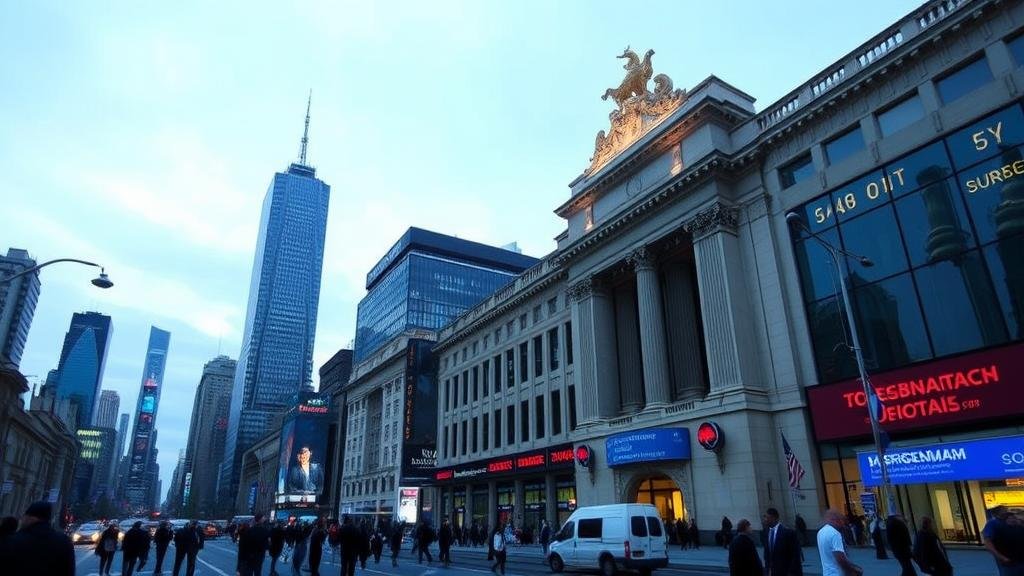
Anatomy of the Outage: What Caused the Systemic Failure?
In the early hours of a peak trading day, the CME Globex platform—a cornerstone of the world’s electronic futures trading—went dark. The cause wasn’t a sophisticated cyber-attack, but a shocking single point of failure: the data center’s cooling system failed. That’s right, a multi-billion dollar trading infrastructure was brought down by a glitch in the air conditioning.
The Critical Role of Data Center Reliability
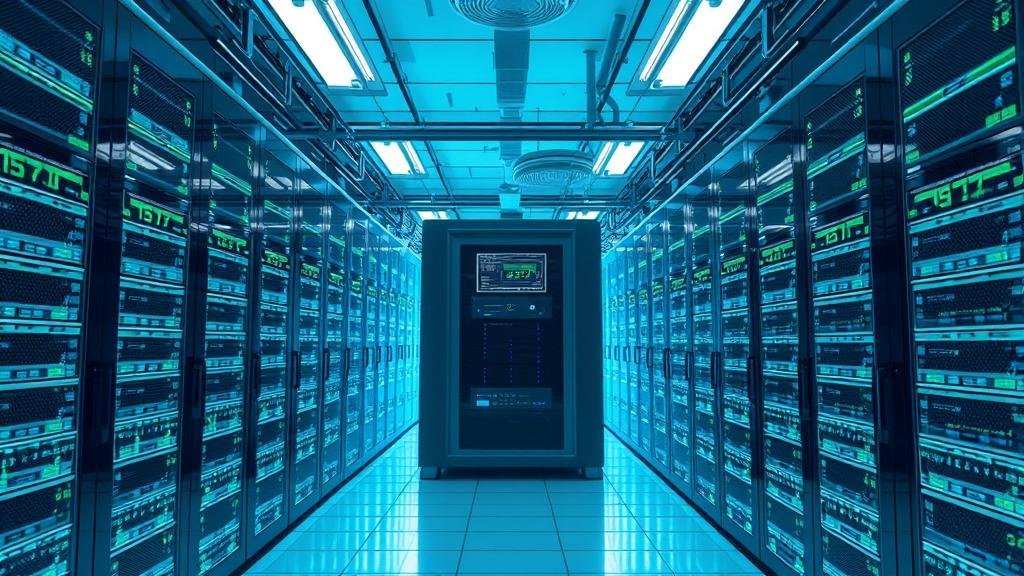
Data center reliability is the unsung hero of modern finance. These facilities are filled with powerful servers that generate immense heat. Without robust, redundant cooling systems, they quickly overheat and shut down to prevent permanent damage. In this case, the cooling failure triggered a protective shutdown, effectively unplugging the market. The most advanced trading algorithms are rendered useless if the physical environment they depend on is compromised.
The Global Ripple Effect: A Test of Market Resilience
A 10-hour standstill at a major exchange is the financial equivalent of shutting down the world’s busiest airports. These markets are essential for businesses—from airlines to agricultural producers—to manage price risk. The data center outage impacted several critical markets:
- Equity Futures: Key risk-management tools for stock portfolios vanished, leaving investors exposed.
- Bond Futures: Trading in U.S. Treasury futures, a benchmark for global interest rates, was suspended, preventing institutions from reacting to economic shifts.
- Commodity Futures: The halt affected trading in oil, gas, and agricultural products, leaving producers and consumers unable to lock in prices.
For over ten hours, a crucial part of the global economic engine seized up. This event served as a powerful, and expensive, lesson in the interconnectedness of our financial systems and the importance of market resilience.
A Blaring Wake-Up Call for the Financial Industry
This fiasco is more than a technical issue; it’s a stark warning about the systemic risk embedded in our financial infrastructure. The relentless pursuit of speed has led to the consolidation of trading infrastructure into a few highly optimized locations. While efficient, this creates a dangerous single point of failure.
The Urgent Need for True Redundancy
The key question now is whether the industry’s disaster recovery plans are adequate. A ten-hour outage suggests that they are not. A seamless failover to a backup data center should have prevented this crisis. This incident raises critical questions:
- Are Redundancy Plans Effective? A failover process that isn’t instantaneous is insufficient for the demands of modern financial markets.
- Is There Enough Diversity? The outage highlights the risks of relying on a single facility with a single type of cooling system. Diversifying infrastructure is essential.
- What is the True Cost of Downtime? The economic impact extends far beyond trading losses, causing chaos for businesses unable to perform essential functions.
Final Thoughts: Building a More Resilient Financial Future
The Great Trading Freeze will be remembered as a humbling reminder that advanced technology is still at the mercy of basic physics. The fact that a simple mechanical fault can trigger a global cascade is a serious concern.
Moving forward, expect regulators and exchanges to focus intensely on:
- Enhanced Disaster Recovery: Implementing truly active-active systems that ensure seamless failover.
- Supply Chain Scrutiny: Conducting deep dives into every component of the trading infrastructure, from software to cooling systems.
- Regulatory Oversight: Expect pointed questions and new mandates from regulators to bolster market resilience.
This event was a costly lesson in the hidden vulnerabilities of our financial system. The platforms we rely on are not abstract concepts; they are physical systems that require robust, resilient engineering to function.