The Day Global Finance Froze: A Deep Dive into the Market System Outage
Imagine you’re about to defeat the final boss in a video game, and the power goes out. Or you’re deep into a Netflix binge, and the Wi-Fi just quits. Now, picture that, but instead of missing the end of a show, you’re a global trader, and billions of dollars are just… stuck. On pause. Buffering.
Welcome to the day the financial markets went dark. This isn’t a sci-fi thriller, though it has all the makings of one. It was a very real, very long 10-hour standstill in futures trading that left the world of global finance collectively holding its breath. And let’s be real, traders aren’t exactly known for their patience.
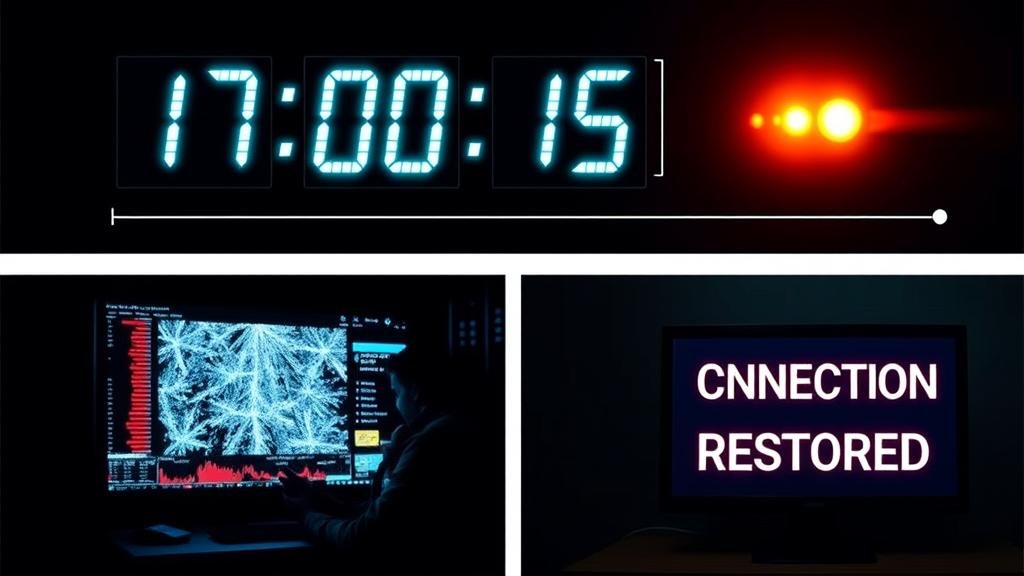
The Day the Trading Froze: A Timeline of Unprecedented Market Volatility
The day began like any other. Coffee was brewed. Screens were lit. Traders prepared to do what they do—mostly yelling at numbers. They were jacked into the Chicago Mercantile Exchange’s (CME) Globex trading platform, which is essentially the Grand Central Station for everything from corn futures to stock indexes. It’s a linchpin of the financial world.
Then, the digital record scratched.
- The Initial Halt: In the wee hours, the Globex platform just… stopped. Imagine the world’s busiest highway suddenly vanishing. The ensuing silence wasn’t peaceful; it was the sound of a system outage that screamed, “Did someone trip over the power cord?”
- A Cascade of ‘Nope’: This wasn’t a minor glitch. The outage took down futures, options, stock indexes, government bonds, oil, gold—you name it. The EBS platform for foreign exchange also went dark. It was a digital ghost town, and market liquidity had evaporated.
- The Long, Awkward Wait: Hours ticked by. Traders, accustomed to high-frequency trading decisions made in nanoseconds, were left to… what? Stare at their screens? Make more coffee? The uncertainty amplified investment risk across the board.
- The Restoration: After more than 10 agonizing hours—an eternity in market time—the CME announced it had resolved the issue. But the damage to nerves and investor confidence was already done.
So, what caused this global financial timeout? The official reason was a “data center fault“—a vague phrase that belies the chaos it caused.
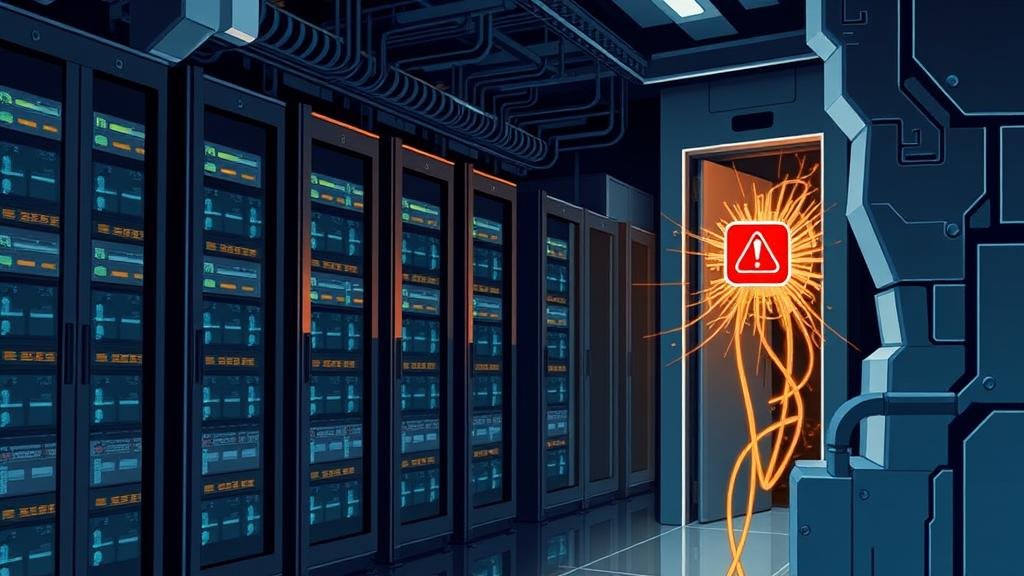
Behind the Screens: What Is a Data Center and Why Did It Trip?
Before your eyes glaze over, let’s talk about data centers. They’re the secret lairs of the digital world—less dusty home server, more James Bond villain’s high-tech fortress, complete with insane security and enough air conditioning to create a polar vortex. These buildings are the physical brains of the internet, and for finance, they’re the entire central nervous system. Every single trade, especially those from algorithmic trading systems, zips through one of these places.
A “data center fault” is like the fortress’s self-destruct sequence getting accidentally triggered. While the CME remained tight-lipped, these failures usually happen for a few reasons:
- Power Outages: The classic “turn it off and on again” scenario, but on a city-block scale. Even with backups, things fail.
- Cooling System Malfunctions: Thousands of computers generate immense heat. If the AC quits, the whole system shuts down to avoid a meltdown.
- Software Glitches: A single line of bad code can be the butterfly that causes a hurricane in the financial markets.
- Human Error: Let’s not rule out a classic “oopsie.” It happens to the best of us, just usually not with the global economy.
That this outage lasted over 10 hours suggests it was a severe issue, requiring a massive disaster recovery effort.
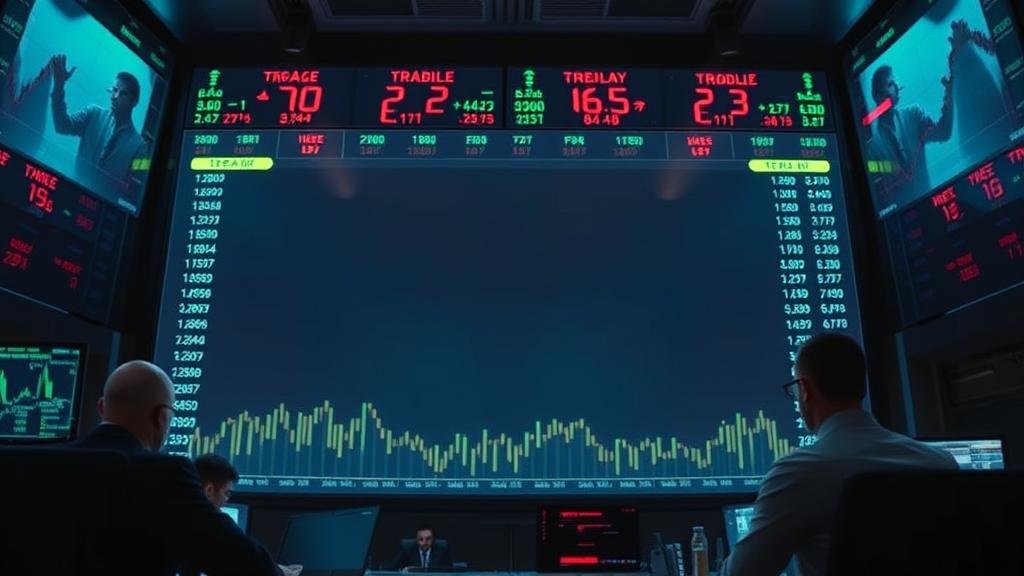
The Ripple Effect: How One Glitch Caused Global Havoc
A 10-hour nap for a major exchange isn’t just an inconvenience. It’s a five-alarm crisis with consequences that spread faster than a TikTok dance.
- Trapped Traders: With the market frozen, traders were glued to their chairs, unable to manage their money or react to news. As one trader told the Financial Times, “It’s a huge deal. The whole world trades on this platform.” You think?
- Global Contagion: The CME is a global beast. When it sneezes, markets in Europe and Asia catch a cold. The system outage caused a domino effect, highlighting the systemic risk inherent in our interconnected financial system.
- A Blow to Confidence: Here’s the bottom line: the biggest casualty was trust. We want to believe our financial system is an infallible machine. This was a messy, embarrassing reminder that it’s all built on code and cables that can—and do—break. Effective financial services SEO isn’t just about marketing; it’s about building and maintaining trust through reliability.
A Wake-Up Call for the Financial Industry 🚨
This whole fiasco isn’t new. The Nasdaq had a “flash freeze” in 2013. The NYSE took an unscheduled three-hour lunch in 2015. Each time, everyone gasps, promises to do better, and then… we end up here again. This is another blaring alarm clock that the industry keeps hitting snooze on.
It underscores the critical need for:
- Redundancy and Robust Disaster Recovery: Have a backup plan and a backup for the backup. A solid disaster recovery strategy is non-negotiable.
- Transparency and Communication: When things go sideways, don’t post cryptic messages. Clear communication is key to managing market volatility and maintaining investor confidence.
- Constant Innovation in Technical SEO: From a technical SEO perspective, the “backend” of the financial world needs constant upgrades to be stronger, faster, and less likely to spontaneously combust.
What This Means for You
You’re probably thinking, “Cool story, but I don’t trade futures.” But this stuff trickles down to all of us.
- Your Investments: If you have a 401(k), you’re in the game. Market volatility, even from technical glitches, can give your nest egg a nasty wobble.
- The Broader Economy: The futures market impacts everything from airline fuel prices to what farmers charge for crops. When that market breaks, the shockwaves can eventually hit your wallet.
- The Digital Future: This is a huge reminder that as our world gets more digital, it also becomes more fragile. Understanding the systemic risk in our hyper-connected world is half the battle.
A Lesson in Humility
The great CME outage was a humbling moment for an industry that prides itself on being untouchable. It was a stark reminder that behind the algorithms and billion-dollar trades, it’s all just technology. And technology can unexpectedly fail.
The lesson? Don’t take the smooth hum of the global finance engine for granted. The industry has been tested, and we’ll be watching to see if it finally learned its lesson this time.