Andriy Yermak’s Resignation: The Power Vacuum in Kyiv and What It Means for Ukraine’s Future
In a high-stakes geopolitical drama, a key player has been dramatically removed from the board. Andriy Yermak, President Zelenskyy’s chief of staff and widely considered the second-most powerful man in Ukraine, has resigned. This ‘resignation’ comes amidst a major corruption scandal, the political equivalent of “It’s not you, it’s the anti-corruption bureau raiding my house.”
For years, Yermak was the power behind the throne, centralizing control in a way that made previous political operators look like amateurs. So who is this figure, and what does his exit mean for a nation at war? Let’s explore the rise and fall of Kyiv’s gray cardinal.
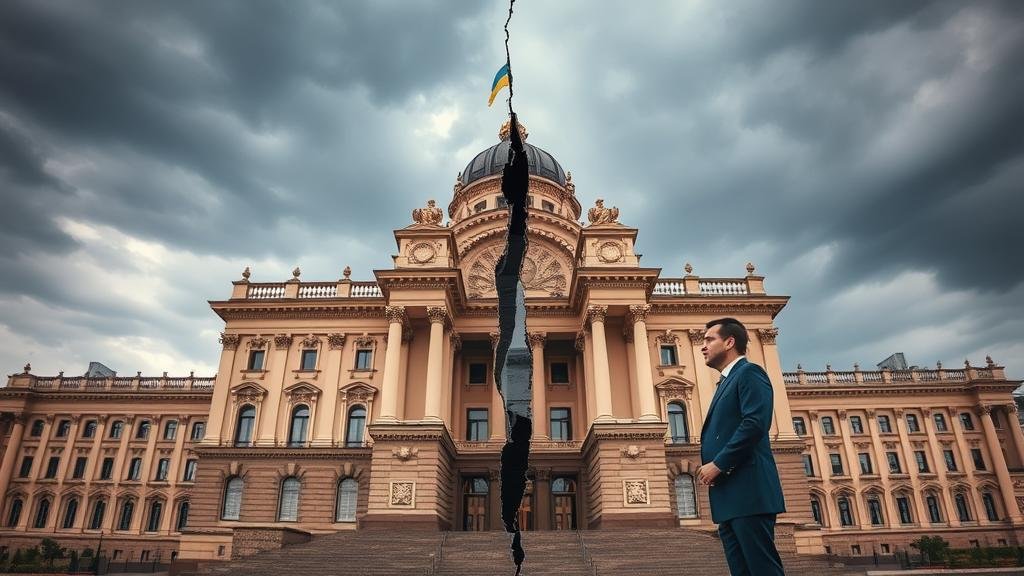
From Entertainment Law to the Epicenter of Power
Before becoming a central figure in the Ukrainian government, Andriy Yermak was an entertainment lawyer and film producer. His close working relationship and friendship with Volodymyr Zelenskyy, the comedian-turned-president, propelled him into the heart of Ukrainian politics.
When Zelenskyy won the presidency in 2019, he brought Yermak with him. Yermak ascended quickly, becoming the Head of the Office of the President by February 2020. From this position, he redesigned the government’s power structure, placing himself at the apex.
The Architect of a Centralized War Machine
Following Russia’s full-scale invasion in 2022, Yermak’s role became even more critical. He was not just a chief of staff but Zelenskyy’s primary confidant, gatekeeper, and chief negotiator. To get to Zelenskyy, you had to go through Yermak.
- International Diplomacy: Yermak spearheaded everything from prisoner swaps to negotiating with Western leaders for military aid. He was Ukraine’s diplomatic powerhouse, the go-to contact for foreign officials.
- Domestic Dominance: He wielded immense influence over domestic policy, appointments, and the overall direction of the government, ensuring that the state apparatus moved in lockstep with Zelenskyy’s vision.
- The “Cabinet of Two”: The Zelenskyy–Yermak duo formed a hyper-streamlined command structure to navigate the war in Ukraine. Zelenskyy provided the vision, and Yermak ensured its implementation, bending the bureaucracy to their will.
This concentration of power raised concerns about the erosion of checks and balances, creating a system overly dependent on one individual.
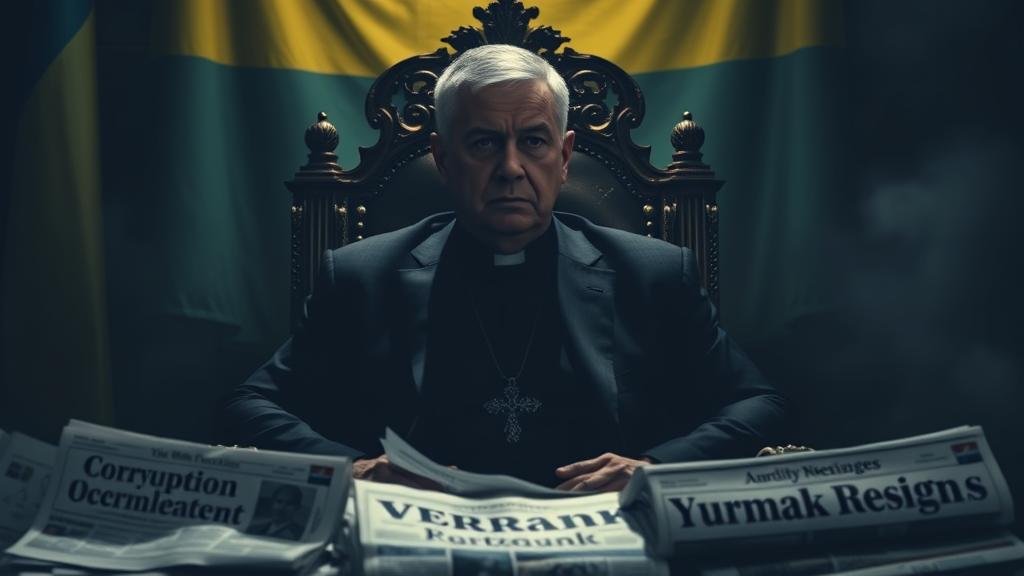
The Unraveling: Corruption Allegations and Political Fallout
As Yermak’s political influence grew, so did the scrutiny. Whispers of corruption turned into a roar, with major outlets like The Guardian and The New York Times reporting on a massive investigation by Ukraine’s anti-corruption agencies. A raid on his home marked a dramatic turning point.
For a country reliant on Western aid, even the perception of high-level corruption is a significant problem. The mounting pressure made Yermak’s resignation inevitable—a move to reassure allies of Ukraine’s commitment to transparency and the rule of law.
What’s Next for Ukraine’s Government?
Yermak’s departure creates a significant power vacuum in Kyiv. For years, the government’s operations hinged on the “Zelenskyy–Yermak” axis. Now, that equation is broken.
President Zelenskyy faces the daunting task of finding a replacement who can fill Yermak’s multiple roles as a strategist, gatekeeper, and therapist. This moment also presents a choice: will Zelenskyy maintain the centralized system or use this opportunity to decentralize power? The answer will have lasting consequences for Ukraine’s political trajectory.
As Ukraine continues its heroic defense, the integrity of its government is paramount. Yermak’s fall is a critical chapter in this ongoing saga, a stark reminder of the challenges Kyiv faces. The world is watching to see what happens next in this geopolitical cliffhanger.