Solar Flares vs. Airbus A320: A Cosmic Glitch Threatens 6,000 Jets
How “space weather” is forcing a massive safety upgrade for the world’s most popular jet.
It sounds like a sci-fi movie plot: the sun, our galaxy’s volatile star, is threatening to ground 6,000 airplanes. Aviation authorities have raised a serious alarm about a newly identified solar flare vulnerability. Intense solar activity could interfere with critical flight control systems on the world’s most popular jets, turning “space weather” into a real-world travel headache. This isn’t a fringe theory; it’s a genuine solar radiation risk that has regulators mandating an emergency action to ensure the Airbus A320neo family is shielded from a cosmic zap. So, what does this solar temper tantrum mean for global aviation and your next vacation?
What is the Core Problem?
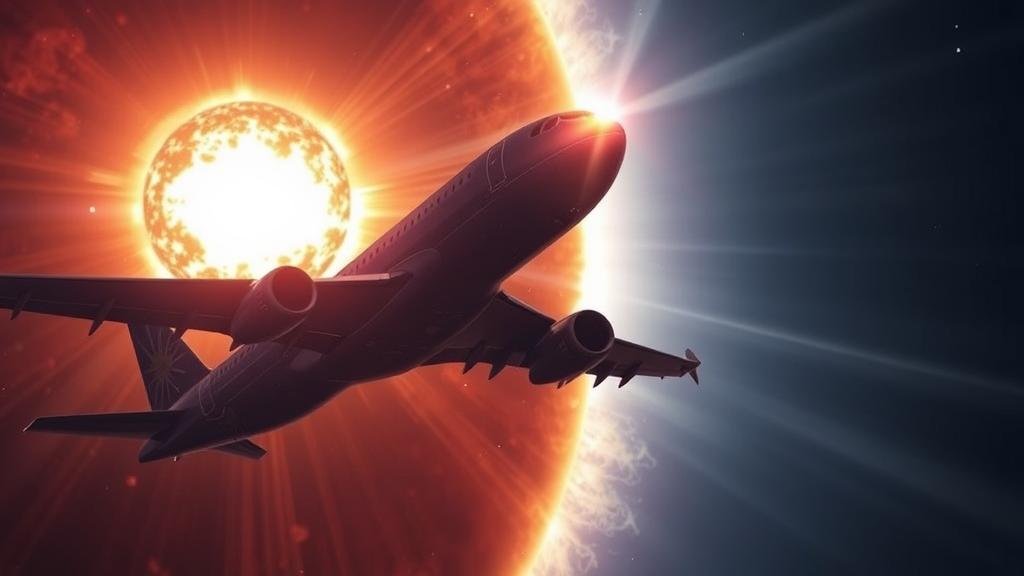
Here’s the deal. On November 28, 2025, the European Union Aviation Safety Agency (EASA) issued a critical directive concerning the Airbus A320neo family. The worry is that a massive solar flare could trigger a severe malfunction in the plane’s sophisticated electronics.
Modern jets like the A320neo are flying supercomputers. The issue stems from a phenomenon called a “single-event upset” (SEU), where a blast of solar radiation corrupts the aircraft’s systems. Think of it this way: a high-energy particle from a solar storm can hit a microchip and flip a single binary digit (a 1 to a 0). While that sounds small, if it hits the wrong part of the flight control computer, it could lead to a catastrophic failure, like the uncommanded pitch down event that was recently reported. It’s the universe playing a high-stakes game of digital telephone with your plane’s controls.

Why Solar Radiation is a Threat to Aviation
Our sun has a dark side. It constantly bombards our solar system with charged particles, and occasionally unleashes a powerful solar flare. While Earth’s magnetic field protects us on the ground, that shield is much weaker at the 35,000-foot cruising altitude of commercial flights.
Modern aircraft are built to be robust, but their advanced digital systems—the very tech that makes them incredibly safe and efficient—are ironically more susceptible to these cosmic particles. This increased sensitivity in the A320 software highlights a growing challenge: as our technology advances, so do its vulnerabilities to space weather.
How Many Aircraft Are Affected?
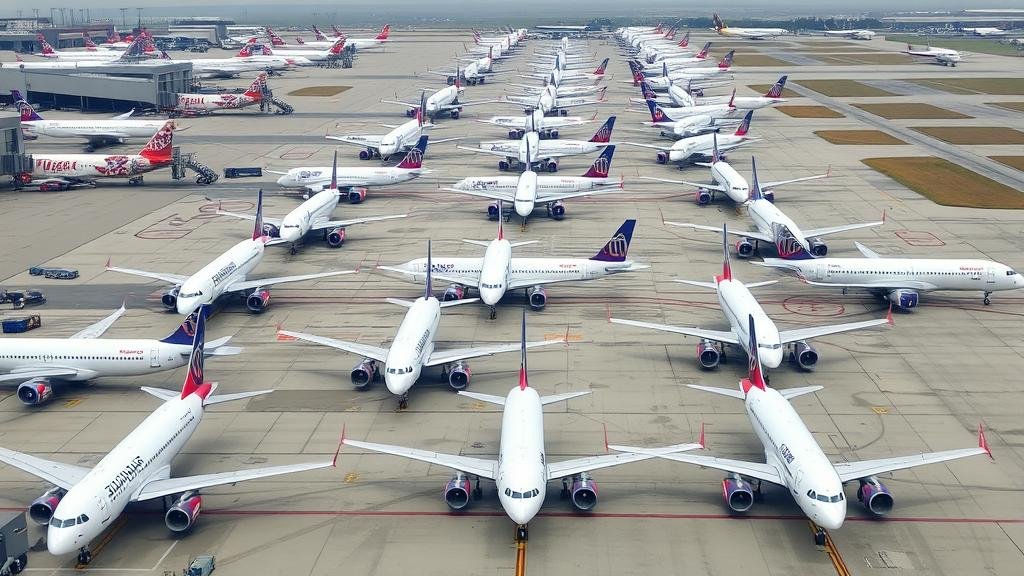
The directive impacts up to 6,000 aircraft from the Airbus A320neo family. This isn’t a niche problem; the A320 is the workhorse of global aviation. If you’ve recently flown on a major airline like Delta, American, United, or Spirit, you’ve likely been on one. The mandate applies to over 3,000 jets currently in service and will extend to the thousands more in production, making this a critical issue for airlines worldwide.
What’s Being Done About It? The Mandated Fix
Regulators aren’t taking any chances. The EASA directive is a clear mandate: affected planes “cannot return to service until the required corrections are completed.” This means airlines must perform a crucial software rollback and hardware update to “harden” the flight control systems against solar radiation. The goal is to make the avionics resilient enough to withstand a bit-flip without causing a system failure. For passengers, this might mean minor schedule adjustments, but the ultimate result is an even safer aircraft.
A System Working as It Should
Believe it or not, this is a positive story. The fact that engineers and safety experts identified this solar flare vulnerability before it led to a major mid-air incident demonstrates that the global aviation safety system is working exactly as it should. It’s a proactive measure to get ahead of a problem that originates 93 million miles away. While it represents a significant cost for airlines, it’s the price of ensuring passenger safety in an era of complex technology.
Conclusion: Safety First, Always
The next time you hear headlines about solar flares and potential A320 grounding, you’ll know the full story. While the threat of a cosmic glitch is alarming, the reality is a story of proactive, high-tech problem-solving.
Key Takeaways:
- The Problem: A solar radiation risk can cause a “single-event upset” in the flight control systems of the Airbus A320neo family.
- The Reaction: EASA has mandated an emergency action for up to 6,000 Airbus A320 jets to correct the A320 software and hardware.
- The Fallout: Your plane is getting a critical safety upgrade. This is aviation safety working proactively.
This incident shows that as our technology becomes more complex, so do its challenges. But thankfully, so does our ability to manage them.