Trump’s New Immigration Policy: Understanding “Reverse Migration” and the Border Security Crackdown
In a move that has sent political shockwaves, President Donald Trump has unveiled a new immigration policy that represents a significant escalation of his first-term agenda. Following a tragic fatal attack in Washington, D.C., his administration has proposed aggressive measures, including a plan for “reverse migration.” This article breaks down the key components of this new immigration crackdown and its potential implications.
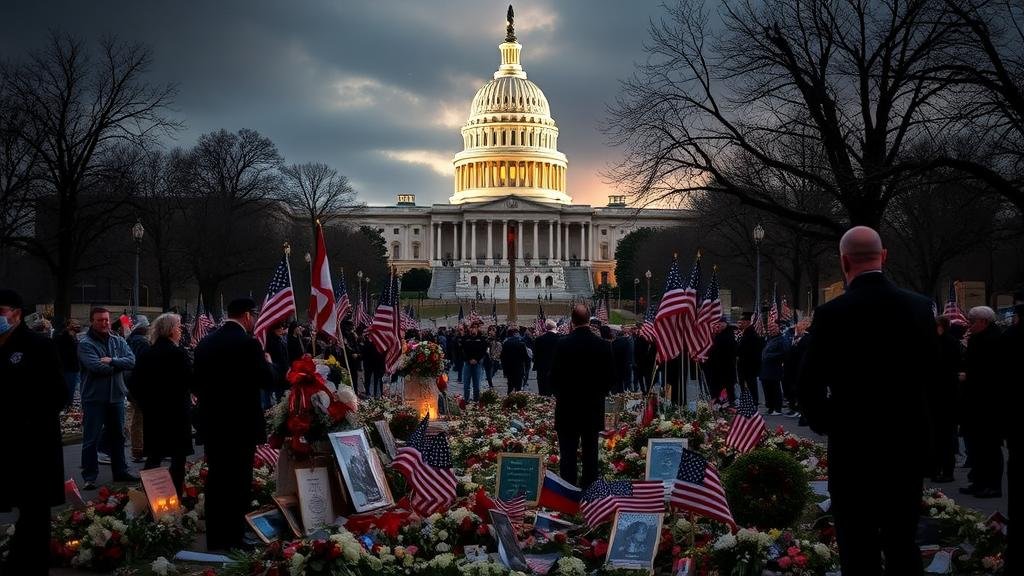
The Catalyst: A Tragic Attack in the Nation’s Capital
The immediate trigger for this policy shift was a fatal shooting in Washington D.C., where two National Guard members were attacked, resulting in one death. The primary suspect has been identified as a foreign national from Afghanistan. In response, President Trump initiated a massive federal investigation and announced a new immigration playbook, turning a moment of national tragedy into a platform for a sweeping policy overhaul focused on national security.
“Reverse Migration”: Trump’s Aggressive New Stance
At the core of the proposal is the concept of “reverse migration.” This plan aims to permanently pause migration from all developing nations and revoke humanitarian admissions granted under the Biden administration. This represents an emboldened stance, doubling down on border security and tightening immigration controls, which could potentially affect thousands of families.
Key Pillars of the Proposed Crackdown
To better understand the scope of this new immigration policy, let’s examine its main pillars:
1. A Permanent Pause on Migration from Developing Nations
The administration intends to halt migration from a yet-to-be-specified list of countries, likely encompassing large parts of Africa, Asia, and Latin America. The stated rationale is to enhance national security. However, critics argue this move is discriminatory and undermines the principle of the U.S. as a “nation of immigrants.”
2. Revoking Biden-Era Humanitarian Parole
A key component of the plan is to review and a large part of the legal status of individuals admitted through “humanitarian parole,” a measure used during crises like the withdrawal from Afghanistan and the war in Ukraine. This action could reverse the residency status of many individuals and families, likely prompting significant legal challenges.
3. A Full-Scale Federal Investigation
President Trump has ordered a comprehensive, whole-of-government investigation into the D.C. shooting. Agencies such as the FBI, CIA, and DHS are tasked with scrutinizing not only the crime itself but the entire immigration and vetting system, signaling a push for systemic immigration reform.
Economic and Social Implications
The proposed measures carry substantial economic and social ramifications. Economically, cutting off a significant portion of the immigrant labor force could lead to labor shortages and price increases across industries reliant on this workforce, from agriculture to technology. The logistical costs of implementing a “reverse migration” policy would also be considerable.
Socially, this policy is set to deepen national divisions. While some view these steps as necessary for national security, others see them as a moral and ethical crisis. For immigrant communities, it introduces a period of profound fear and uncertainty, ensuring that the immigration debate will remain a central point of contention in public discourse.
What to Watch For Next
The unveiling of this policy is just the beginning. The next stages of this political drama will likely involve:
- Courtroom Battles: Civil liberties organizations are expected to file lawsuits, arguing the policies are unconstitutional and discriminatory.
- Legislative Showdowns: While executive actions can accomplish a great deal, some aspects of the plan may require congressional approval, setting the stage for intense legislative fights.
- A Heightened National Debate: This policy guarantees that immigration, border security, and immigration reform will be dominant topics in the national conversation for the foreseeable future.
In conclusion, a tragic attack has catalyzed a set of radical proposals that challenge the foundations of the U.S. immigration system. As the nation grapples with this event, it is also being pushed into a defining conflict over borders, security, and its identity as a country.