US Military Buildup in Caribbean Heightens Tensions with Venezuela
US Military Deployment: A Calculated Show of Force
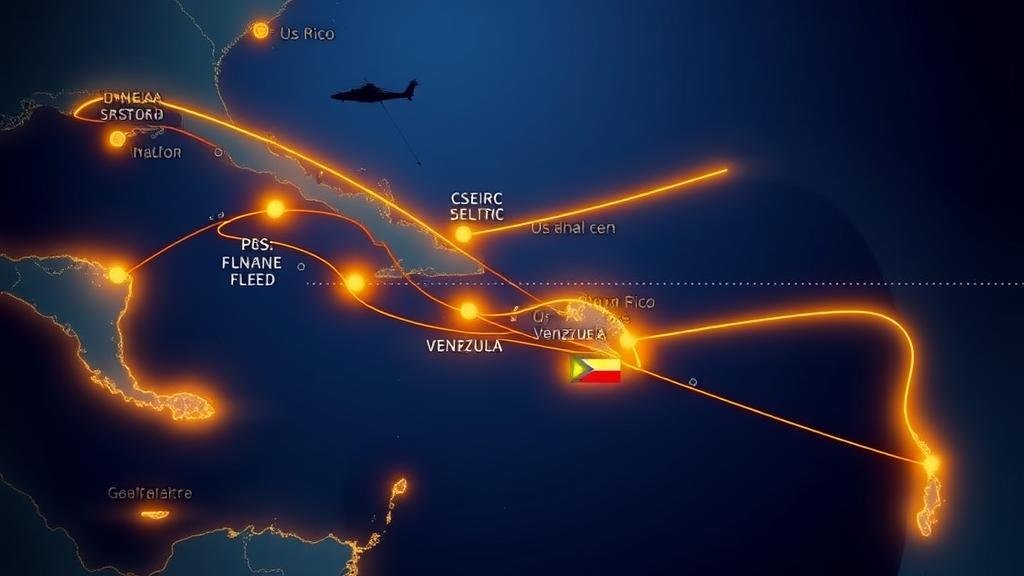
The Caribbean, a region typically associated with tourism, is currently the stage for a significant United States military deployment. Recent reports confirm a heightened US naval presence, prominently featuring the USS George Washington, one of the nation’s largest aircraft carriers. This military buildup is described by U.S. officials as a series of “freedom of navigation” exercises, intended to ensure maritime security and readiness for potential humanitarian crises.
However, the timing of this deployment is widely interpreted as a strategic message to Venezuela. Given the strained US-Venezuela relations, marked by years of sanctions and diplomatic friction, this military posturing is perceived as a deliberate escalation. The presence of such a formidable naval force serves as a clear demonstration of US military capability in a region of critical importance.
Venezuela’s Defiant Stance
In response to the US naval exercises, Venezuela has issued a strong condemnation. President Nicolás Maduro, in a televised national address, announced that his country would not be intimidated by the show of force. He has ordered a “permanent vigilance” and called for a “massive mobilization” of the Bolivarian National Armed Forces to safeguard the nation’s sovereignty.
Venezuela’s defense minister reaffirmed this position, stating that the military is prepared to counter any aggression. This defiant response signals a period of heightened alert and readiness, creating a tense standoff that has captured international attention and raised concerns about a potential miscalculation.
The Geopolitical Landscape
The escalating situation is drawing in other regional players, creating a complex geopolitical dynamic. In Puerto Rico, for instance, public opinion is split. As reported by CBS News, some residents view the increased US military presence as a guarantee of security, while others fear being caught in the middle of a larger international conflict. The deployment transforms the island into a strategic pivot point, amplifying concerns about its role in any potential escalation.
Meanwhile, other Latin American countries that have been advocating for a diplomatic resolution to the Venezuelan crisis now see their efforts at risk. The fear is that this military escalation could undermine delicate negotiations and that any unintended clash could destabilize the entire region, leading to severe economic and humanitarian consequences.
Economic and Financial Implications: A Creditnewsinsider Analysis
The financial ramifications of this military buildup are significant. For the United States, the operational costs of deploying an aircraft carrier strike group are substantial, representing a major financial commitment at a time of competing domestic and global priorities.
For Venezuela, the situation is far more critical. The country is already grappling with a severe economic crisis characterized by hyperinflation, widespread shortages, and a decaying national infrastructure. The threat of an open conflict could trigger a complete economic collapse, exacerbating the ongoing humanitarian disaster.
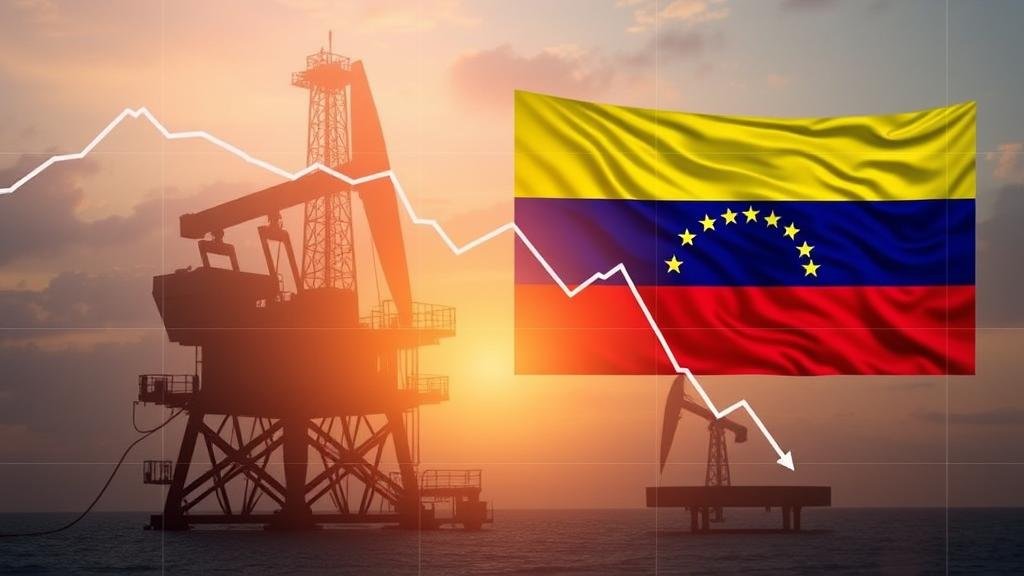
Globally, the tensions pose a risk to energy markets. Venezuela is a major oil producer, and any disruption to its supply, whether from internal instability or external conflict, could cause a significant spike in global oil prices. This potential volatility creates uncertainty for the world economy and could have a direct impact on consumers through higher fuel costs.
What This Means for Global Markets
Geopolitical instability is a major driver of volatility in the global financial system. The current tensions in the Caribbean can create ripple effects that impact stock portfolios, retirement accounts like 401(k)s, and the cost of everyday goods. Investors and consumers alike should monitor the situation closely, as developments in the region have the potential to influence market sentiment and commodity prices worldwide. Understanding the connection between these geopolitical events and your finances is crucial for making informed decisions in an uncertain climate.
Conclusion: A Region on Edge
The Caribbean is currently a focal point of geopolitical tension, with the United States and Venezuela engaged in a high-stakes military standoff. The consequences of a misstep could be devastating, not only for the primary actors involved but for the stability and economic well-being of the entire Latin American region. As this situation develops, careful de-escalation and a return to diplomatic channels will be critical to avert a larger crisis.