US Military Buildup in the Middle East: A Guide for Investors
US Military Deployment in the Middle East: A Strategic Overview
The United States has initiated a significant military deployment to the Middle East, a region of persistent geopolitical importance. This strategic buildup of military assets has captured global attention and raised pertinent questions about its potential financial ramifications. At Creditnewsinsider, we recognize that such geopolitical maneuvers can introduce market volatility and impact investment portfolios. This article provides a comprehensive analysis of the rationale behind the US military deployment, the specific assets involved, and the potential consequences for the global economy and your financial outlook.

The Strategic Rationale: Deterrence and Regional Stability
The recent escalation in US military presence is not an arbitrary action but a calculated strategic move aimed at deterrence and the protection of American interests. The primary objective, as stated by the Pentagon, is to safeguard US troops and send a clear message of resolve to Iran and its affiliated groups.
For several months, US military bases in Iraq and Syria have faced a growing number of drone and rocket attacks, indicating a significant increase in the sophistication and frequency of these hostile actions. The Pentagon has attributed these attacks to Iran-backed militias, viewing them as a deliberate campaign to destabilize the region. This military deployment serves as a direct response to these provocations.
Furthermore, the Strait of Hormuz, a critical chokepoint for global oil transportation, has been the scene of maritime harassment and vessel seizures. The deployment of additional naval assets to this area is intended to ensure the free flow of commerce and protect this vital artery of the global energy market. As noted by defense analysts, this show of force is a clear signal of the US’s “readiness to retaliate” against any aggression.
In essence, this military buildup is a strategy of deterrence. The goal is to project overwhelming strength to discourage potential adversaries from taking hostile actions, thereby preventing a larger conflict.
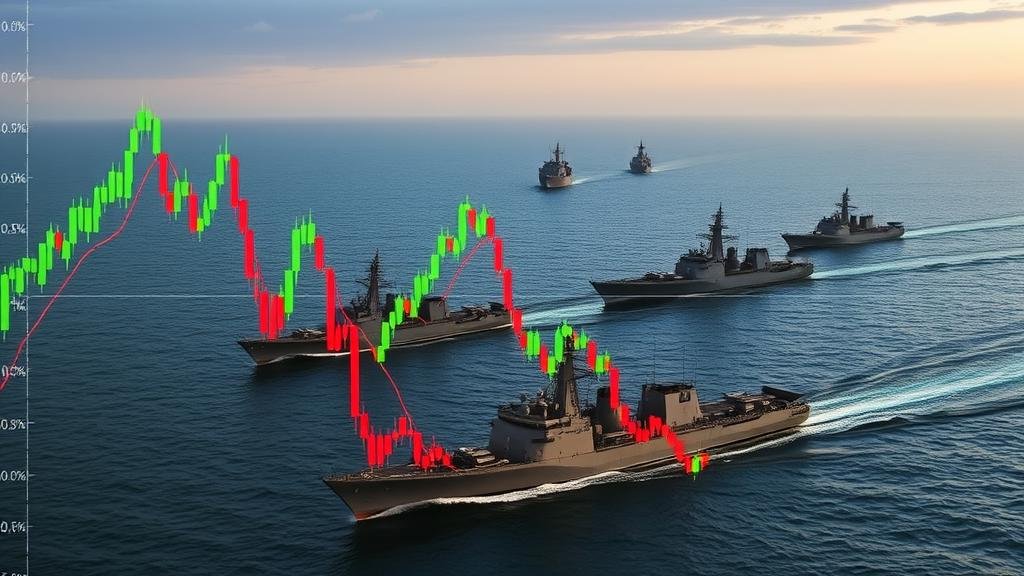
Deployed Assets: A Formidable Force
The scale of the deployed military hardware is substantial, representing a significant enhancement of US capabilities in the region.
Air Power Dominance
The deployment includes advanced fighter jets such as the F-35, F-15, and F-16, which provide superior air-to-air and air-to-ground capabilities. These aircraft are supported by KC-135 Stratotankers for aerial refueling, extending their operational range and endurance. Additionally, the A-10 Thunderbolt II, renowned for its close air support capabilities, has been deployed to provide protection for ground forces.
Enhanced Missile Defense Systems
To counter the threat of ballistic missiles, the US has deployed the Terminal High Altitude Area Defense (THAAD) system. This is complemented by additional Patriot missile batteries, creating a multi-layered defense shield capable of intercepting a wide range of aerial threats.
Naval Superiority
The centerpiece of the naval deployment is an aircraft carrier strike group. This formidable naval force, consisting of an aircraft carrier, its air wing, and a flotilla of destroyers and cruisers, represents a powerful instrument of force projection and a clear symbol of American military might.
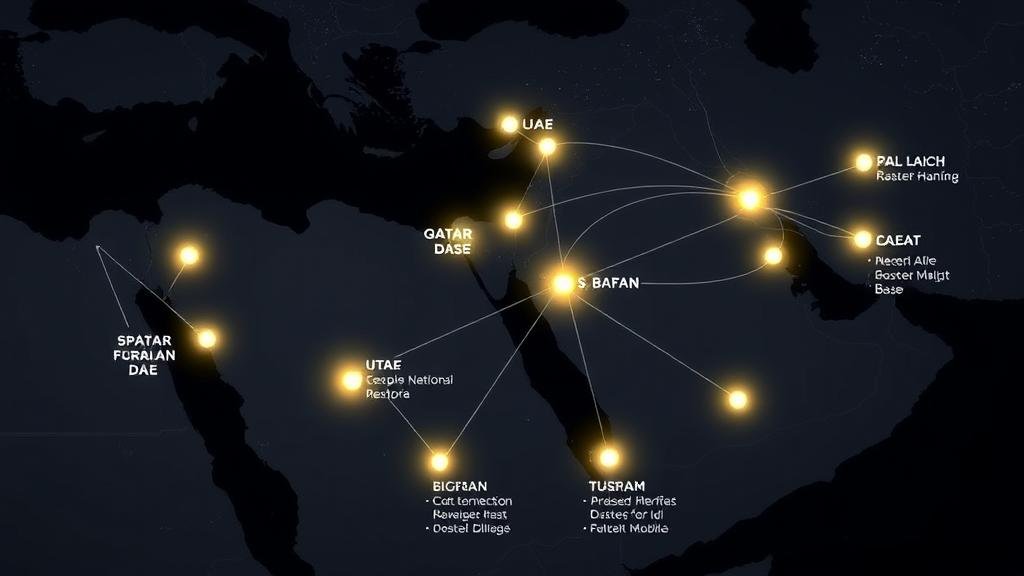
Strategic Locations: A Network of Bases
The effectiveness of this military deployment is underpinned by a network of strategic bases throughout the region. The Al Udeid Air Base in Qatar serves as the central hub for US military operations. The US is also upgrading its facilities at this base, indicating a long-term commitment to its partnership with Qatar.
Other key locations in the UAE, Bahrain, Saudi Arabia, and Jordan function as important logistical and operational hubs, allowing for the dispersal of assets and reducing their vulnerability to attack. This distributed basing strategy enhances the resilience and flexibility of US military operations in the Middle East.
Financial Implications: The Impact on Markets
The military buildup in the Middle East has significant financial implications that investors should monitor closely.
Oil Prices and Market Volatility
The financial markets are notoriously sensitive to geopolitical instability, particularly in the Middle East. The prospect of conflict in the Persian Gulf can lead to a surge in oil prices, which in turn can fuel inflation and increase costs for consumers and businesses alike. The increased risk has also led to higher insurance premiums for shipping in the region, with these costs ultimately being passed on to consumers.
A Test of Alliances
This military deployment is also a test of America’s alliances in the region. While many regional partners welcome the security umbrella provided by the US, they are also wary of being drawn into a wider conflict. The strategic calculations of other global powers, such as Russia and China, are also influenced by the evolving security landscape in the Middle East.
The Path Forward: Deterrence or Escalation?
The ultimate success of this strategy of deterrence remains to be seen. The hope is that the show of military force will create the necessary leverage for a diplomatic solution to emerge. The US is navigating a complex and perilous path, seeking to deter aggression without inadvertently triggering a larger conflict.
For now, investors should remain vigilant and informed about the developing situation in the Middle East. The delicate balance of power in the region will have far-reaching implications for the global economy and financial markets.
Key Takeaways:
- Deterrence Strategy: The primary goal of the US military deployment is to deter aggression from Iran and its proxies.
- Comprehensive Military Assets: The deployment includes a wide range of advanced air, land, and sea-based military hardware.
- Market Sensitivity: The situation in the Middle East has the potential to significantly impact oil prices and financial market stability.
- Strategic Alliances: The success of the US strategy is heavily reliant on its network of regional allies and bases.