Bank of Japan December Rate Hike: A Pivot Years in the Making?
For months, observing the Bank of Japan (BOJ) has been like waiting for a season premiere that keeps getting postponed. The major plot twist is known, but the timing is everything. Now, Governor Kazuo Ueda has provided the clearest signal yet, suggesting the finale to Japan’s era of near-zero interest rates could air as soon as this December.
In what market analysts are calling the most explicit indication to date, Ueda’s recent comments have intensified speculation that the Bank of Japan’s multi-decade chapter of “free money” is drawing to a climactic close.
Let’s be clear: central bank policy isn’t typically binge-worthy content. However, the world’s last major economy holding onto negative interest rates is signaling a potential shift, and the implications for global finance are significant.

The Words That Shook the Market
What exactly did Governor Ueda say to cause such a stir among seasoned traders? Speaking to parliament, he stated the BOJ would carefully weigh the “pros and cons” of raising rates at its upcoming meeting.
In the nuanced world of central banking, this is a glaring sign that a major policy shift is under active consideration. For months, the BOJ’s official stance has been characterized by ambiguity, emphasizing the need for “patience” and “more evidence.” As Bloomberg analysts noted, this new statement is the “clearest hint yet.” By mentioning a potential timeline (December) and acknowledging a serious evaluation of a rate hike, Ueda has shifted the conversation from “if” to “when.”
This is a departure from the previous “we’ll act when we see wage growth” narrative. It’s a move toward, “Okay, we’re confident it’s happening, so let’s have a serious discussion.”
Why Now? The Economic Drivers Forcing the BOJ’s Hand
This potential pivot is not a random decision. It is a calculated response to a confluence of economic pressures that have been building over time.
1. Persistent Inflation
For the first time in decades, Japan is experiencing sustained inflation. The primary inflation measure has remained above the BOJ’s 2% target for over a year and a half. This is no longer seen as a temporary blip, as companies are increasingly passing on higher costs to consumers.
2. The Promise of Wage Growth
This has always been the crucial missing piece. Without higher wages, inflation erodes purchasing power. Following historic wage increases this spring, the BOJ is now looking to next year’s negotiations to provide the final confirmation needed to declare an end to its long battle with deflation.
3. A Plunging Yen
The significant gap between Japan’s interest rates and those of other major economies, like the United States, has caused the yen to depreciate sharply. While beneficial for major exporters like Toyota, this is putting a strain on households and small businesses that rely on imports, such as energy and food. A rate hike would provide much-needed support for the yen.
The “Pros and Cons”: A High-Stakes Balancing Act
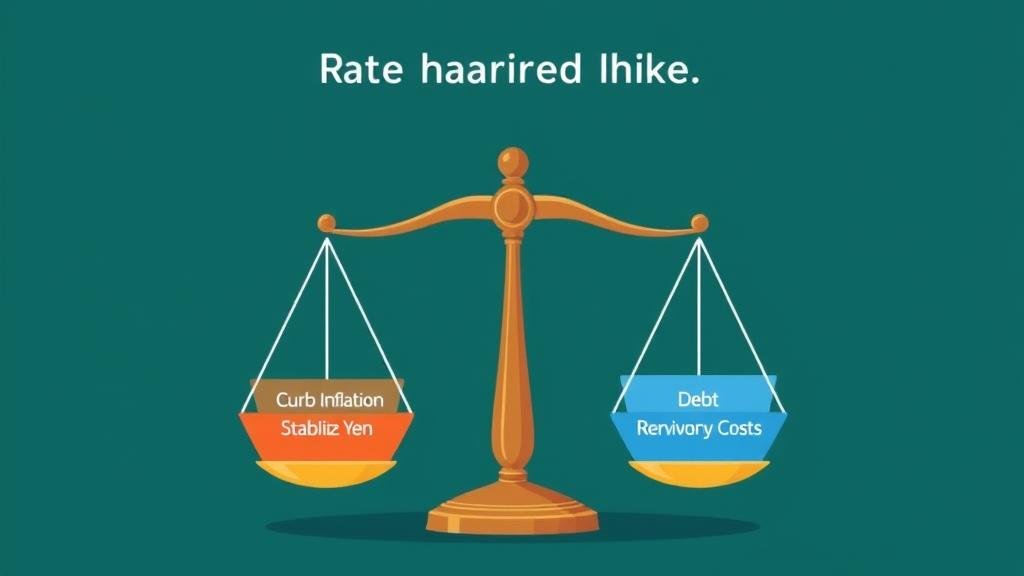
Ueda’s mention of “pros and cons” highlights the complex dilemma facing the BOJ.
The Arguments for a Hike (The “Pros”)
- Curb Inflation: The traditional response to rising prices.
- Stabilize the Yen: Strengthen the currency and reduce import costs for consumers.
- Normalize the Bond Market: The BOJ has been a dominant force in the Japanese government bond (JGB) market. A step back would allow for more normal market function.
- Support for Banks: Negative rates have compressed bank profit margins. A rate hike would provide some relief.
The Arguments Against a Hike (The “Cons”)
- Risk to Economic Recovery: Japan’s economy is still on fragile footing. Higher borrowing costs could stall the recovery.
- Debt Servicing Costs: The Japanese government has a massive national debt. Higher interest rates would significantly increase the cost of servicing this debt.
- Market Volatility: After decades of near-zero rates, any sudden change could trigger a market overreaction.
What a BOJ Pivot Means for the World 🌏
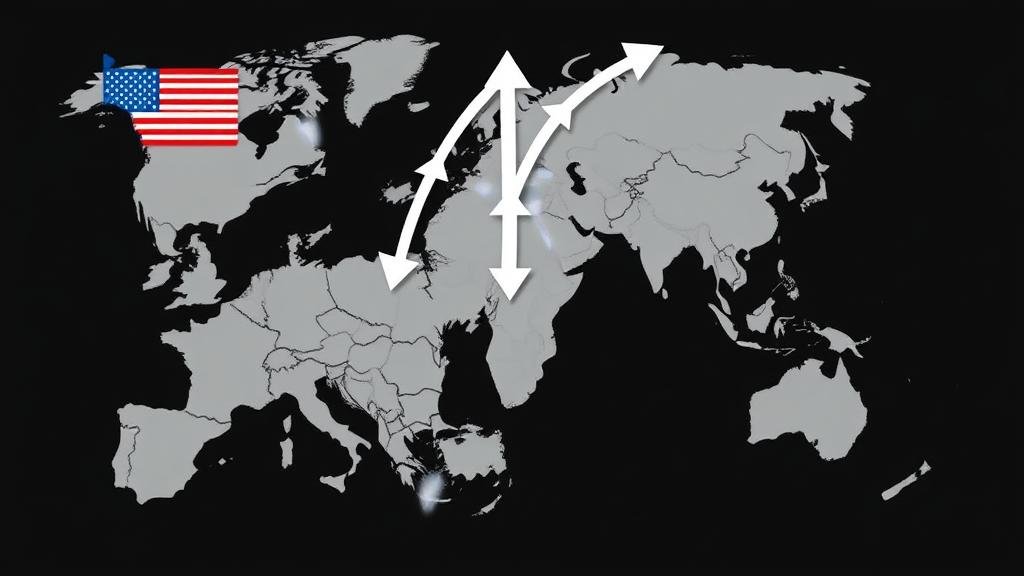
For years, Japan has been a major source of global capital, lending trillions of yen at low interest rates. This capital has flowed into overseas investments, including U.S. stocks and European bonds.
What happens when this flow of capital reverses?
A process known as “repatriation” could be triggered, where a significant portion of that money returns to Japan. This could lead to:
- Less demand for U.S. and European government bonds, potentially pushing up borrowing costs globally.
- Increased turbulence in global stock markets as a key source of funding is redirected.
- A new paradigm for currency traders, with the yen no longer serving as the primary funding currency for carry trades.

Conclusion: A December Surprise Is Now a Real Possibility
While nothing is certain, Kazuo Ueda has placed a potential rate hike firmly on the table for the holiday season. The final decision will depend on the last pieces of economic data before the BOJ’s meeting on December 18-19.
This is a pivotal moment for investors. The era of ultra-easy money that has shaped the global economy since 2008 is coming to an end. The Bank of Japan is the last central bank to leave the party.
What should you be doing?
- Mark your calendar: The December 18-19 BOJ meeting is a must-watch event for investors.
- Monitor the data: Keep a close watch on Japanese inflation and wage reports.
- Review your portfolio: Consider how a stronger yen and a shift in global capital flows might impact your investments.
The question is no longer if the BOJ will move, but how soon. The answer may be sooner than many expect.