The German Economy in 2024: A Turning Point After a Year of Industrial Decline
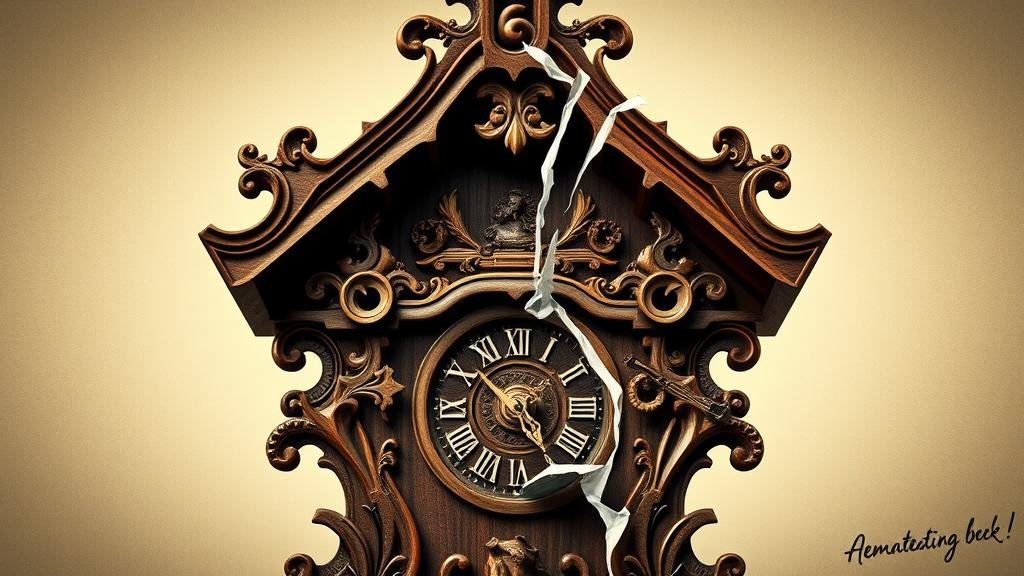
Remember when “German efficiency” was the gold standard? A finely tuned machine of economic might, pumping out cars and industrial goods with the reliability of a high-end cuckoo clock. That was before the German economic crisis. A year ago, that clock started making some… unsettling noises. Industrial giants announced major cuts, and everyone started wondering if the machine was breaking down. Fast-forward to today, and the mechanic is still scratching their head.
The First “Ouch”: A Look Back at the Shockwave
A year ago, Germany’s industrial sector basically pulled a muscle. Soaring energy prices, supply chains that looked like a tangled ball of Christmas lights, and a global economy with the enthusiasm of a teenager asked to do chores created a perfect storm. The goal was to trim the fat, tighten the belt, and hope for the best. Let’s be real, everyone was hoping it was a one-and-done kind of diet, not a permanent lifestyle change.
So… How’s That Diet Going?
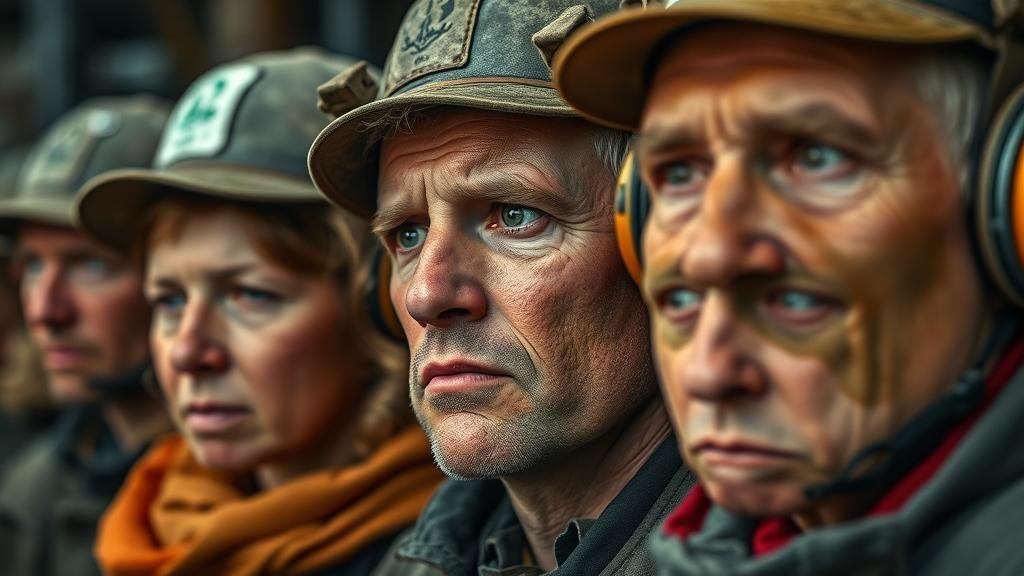
Not great, champ. The German economy hasn’t exactly bounced back like a superhero. Recent data shows it stalled out completely in the third quarter, showing all the growth of a Chia Pet left in a dark closet. This isn’t just a minor speed bump; it’s fueling fears of a recession and that the first round of cuts was just the appetizer.
The mood in the industrial sector is particularly grim. According to the German Economic Institute (IW), a jaw-dropping one in three companies are planning to cut jobs next year. My 7-year-old just asked if that was a lot. I told him, “Yes, son. Yes, it is.” The Brussels Signal chimed in, saying sentiment is at “rock bottom,” with over 40% of companies planning to shrink their workforce. These aren’t just numbers on a spreadsheet; this is a flashing neon sign that says, “Houston, we have a problem.”
Here’s the boring part. Just kidding—it’s actually kinda fascinating, or maybe I’ve been doing this too long. The pessimism is being driven by a few key party-poopers:
- Persistently High Energy Costs: While your gas bill might have gone down, running a massive, energy-guzzling factory in Germany is still painfully expensive. It’s like trying to win a race while carrying a refrigerator on your back.
- Sluggish Global Demand: Germany is the world’s designated supplier of high-quality stuff. But when your key customers (i.e., the rest of the world) are on a budget, they’re not exactly lining up for new machinery. You feel me?
- The Great Wall of Slowdown: China, long a golden goose for German exports, is dealing with its own economic drama. That means less demand for those slick German cars and precision equipment. Cue dramatic pause.
Hot Take Coming In 3… 2… 1: Is More Retrenchment Inevitable?
Given the vibe, further cuts seem less like a possibility and more like an unfortunate sequel nobody asked for. To stay in the game, German companies are having to look at their expenses with the intensity of a bloodhound. This could mean more job losses, especially for industries that are struggling to update their flip phones to the smartphone era.
Even the much-needed transition to a green economy is creating some awkward growing pains. Shifting from old-school manufacturing to green tech is essential, but it’s like trying to change a tire while the car is still moving. It’s bound to displace some jobs in the old sectors, even as shiny new ones pop up elsewhere.
The Real People Behind the Numbers
Okay, let’s pause the cheeky uncle routine for a second. Because behind all this economic jargon are real people, real families, and real communities. Job losses are devastating, and this is where the social fabric gets seriously tested. The German government and unions are under immense pressure to soften the blow.
Germany’s famous “social partnership”—where unions and employers sort things out like civilized adults instead of just yelling at each other—is about to get the workout of its life. Finding a balance between necessary restructuring and not leaving workers out in the cold will be their biggest challenge.
The Path Forward: A National Makeover Montage?
While the outlook seems gloomier than a Monday morning without coffee, it’s not all doom. Germany has a history of pulling itself up by its bootstraps (or, more accurately, its Birkenstocks). The German economic crisis could be the kick in the pants it needs to build a more resilient future. Here’s what we at Creditnewsinsider think could be on the to-do list:
- Invest in More Cool Stuff: Germany needs to double down on what it does best—innovation. That means throwing money at A.I., digitalization, and green tech like it’s confetti at a parade.
- Cut the Red Tape: People often joke that Germany’s bureaucracy is its true national sport. Streamlining regulations could unleash a new wave of economic energy. Make it easier to do business, please.
- Time for a National Study Session: The jobs of tomorrow need new skills. It’s time to invest in education and training to make sure the workforce is ready for the 21st-century economy. Basically, it’s time for a national “back to school” montage, Rocky-style.
Germany is at a critical turning point. That wave of cuts a year ago was a wake-up call, and the alarm is still ringing. The path forward won’t be easy and will require a massive national effort. But with its strong fundamentals and history of reinvention, there’s reason for hope. The decisions made today will determine whether Germany can emerge stronger than ever.
No pressure, Germany. The whole world is watching. And yes, this will be on the test.