Market on Edge: Feds Next Move and Your Portfolio
The stock market’s current vibe is a mix of a grumpy toddler and a teenager grounded for the weekend. Both the S&P 500 and the tech-heavy Nasdaq are experiencing some serious market volatility, and it’s all because everyone is waiting for the Federal Reserve to clarify what’s happening with the economy. Investors are on the edge of their seats, eagerly awaiting new economic data and the Fed’s next decision on interest rate hikes. This has created a holding pattern so tense you could slice it with a dividend check.
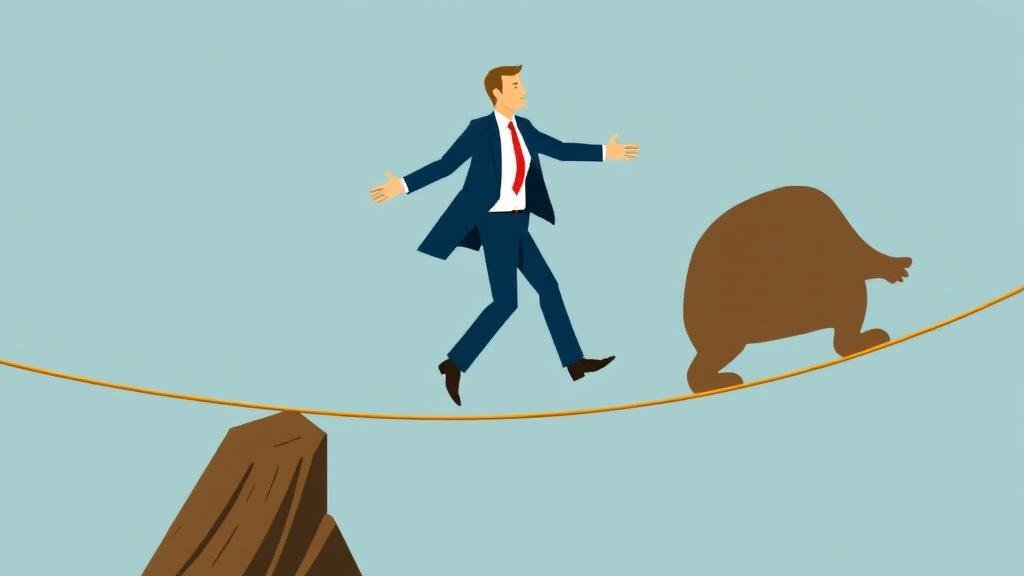
The Fed’s High-Wire Act
At the heart of this financial drama is the Federal Reserve, which is trying to pull off an economic balancing act of epic proportions. Their mission: to combat inflation without sending the entire economy into a tailspin. For nearly two years, they’ve been increasing interest rates. The logic is that making money more expensive to borrow will cool down the economy. Are you with me?
The catch? This strategy has side effects. It can create headaches for businesses, make car loans feel like a stick-up, and increase the recession risk. Insert dramatic music here.
So, the multi-trillion-dollar question is: what’s next? Will the Fed continue with interest rate hikes as if they’re climbing a mountain? Will they pause to see if their plan is working? Or—and this is the exciting part—will they start cutting rates? The answer, my friends, is hidden in the upcoming economic indicators.
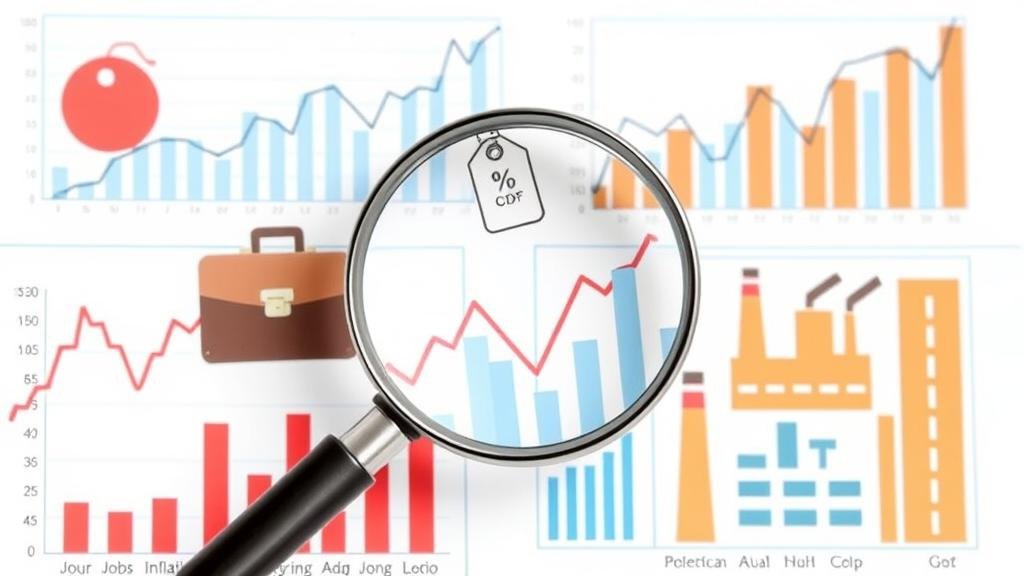
Economic Data: The Clues for Your Stock Market Analysis
Okay, this might sound like the boring part, but it’s where the real action is. Think of it as reading a secret diary to predict the future. Here are the key reports that have investors glued to their screens:
- The Consumer Price Index (CPI): This is the market’s official report card on inflation. It tells us how much more we’re all paying for… well, everything. A high CPI could prompt another rate hike from the Fed. A low one, and the Fed might just relax. Let’s hope for “relax.”
- The Jobs Report (Non-Farm Payrolls): This shows whether companies are still on a hiring spree. Usually, a strong jobs report is a reason to celebrate. Right now? A “too hot” report could spook the market. Why? Because more jobs can lead to higher wages, which can fuel inflation. It’s a classic “good news is bad news” scenario. Welcome to the upside-down world of economics.
- Gross Domestic Product (GDP): This is the big kahuna—the broadest measure of the entire economy. Investors are watching the GDP to see if the Fed’s rate hikes have gently tapped the brakes or slammed the economy into a wall. A significant slowdown could mean the Fed went too far.
- Retail Sales: Are people still impulse-buying on Amazon at 2 a.m.? This report reveals all. Weak retail sales suggest consumers are feeling the pinch, which could signal an economic slowdown.
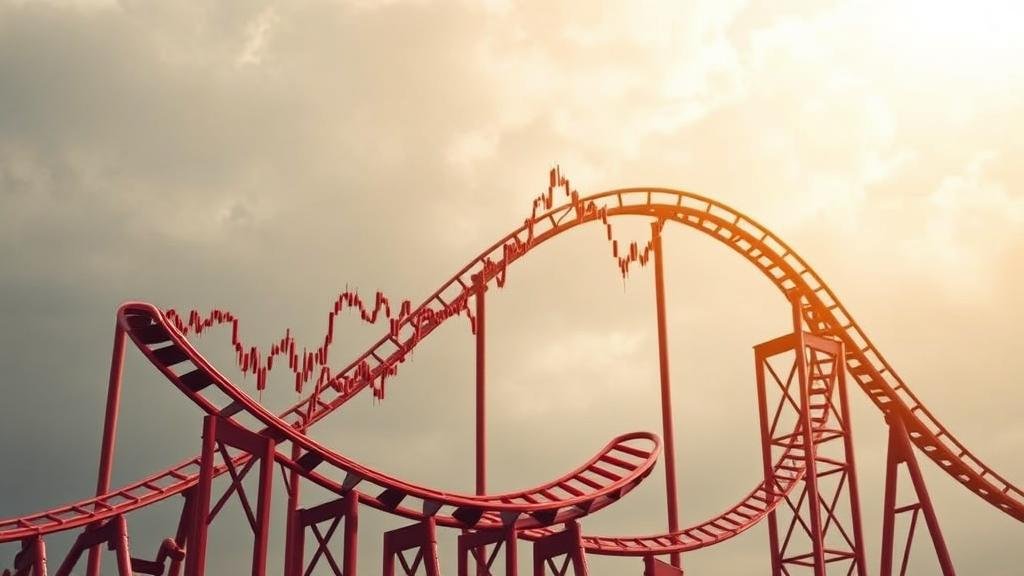
The Ripple Effect: Why the S&P 500 and Nasdaq are on a Rollercoaster
So, why are the S&P 500 and Nasdaq so sensitive to all this uncertainty? Let’s be honest, the Nasdaq is the drama queen of the market. Here’s the situation:
The Nasdaq’s Vulnerability
The Nasdaq is packed with high-flying tech companies. These “growth” stocks are often valued based on their future potential. But high interest rates are a major buzzkill, making it more expensive to borrow and invest in that future. This devalues tomorrow’s potential profits, making these stocks less appealing today.
The S&P 500: A Wider View
The S&P 500 is more of a mixed bag, representing companies from all sectors. However, it’s not immune. When the economy slows, everyone from car manufacturers to your favorite snack food company can feel the impact. When major tech stocks get a cold, the rest of the S&P 500 often starts sneezing.

What Should an Investor Do? Investing Strategies for a Shaky Market
It’s completely normal to feel a bit queasy when the market gets this volatile. But panic-selling is rarely a good move. So, before you hide your money under the mattress, here are a few investing strategies from your friendly neighborhood financial guru:
- Think Long-Term: The market has more ups and downs than a pogo stick convention. Successful investing is a marathon, not a sprint. Don’t let a few rough days (or weeks) derail your long-term financial plan.
- Diversification is Key: You know the old saying, “don’t put all your eggs in one basket”? It’s a cliché for a reason. Spreading your investments around, or diversification, helps cushion the blow when one sector takes a hit. Unless you enjoy financial heartache, diversify.
- Stay Informed, But Don’t Obsess: It’s smart to keep up with what’s going on, but constantly refreshing your portfolio is a surefire way to drive yourself crazy. Seriously. Step away from the screen. Still here? You’re my favorite.
What’s on the Horizon?
The next few weeks are like the season finale of our favorite financial drama. New economic data and the Fed’s next decision will finally provide some clarity. We’ll be here to break it all down and explain what it means for your portfolio.
Yes, there’s a lot of uncertainty right now. But it’s also a reminder that the economy is a dynamic entity. The best we can do is stay informed, remain disciplined, and maybe keep some antacids nearby. And yes, this will be on the final.