ECB Interest Rate Decision: Why the Holiday Freeze is No Surprise
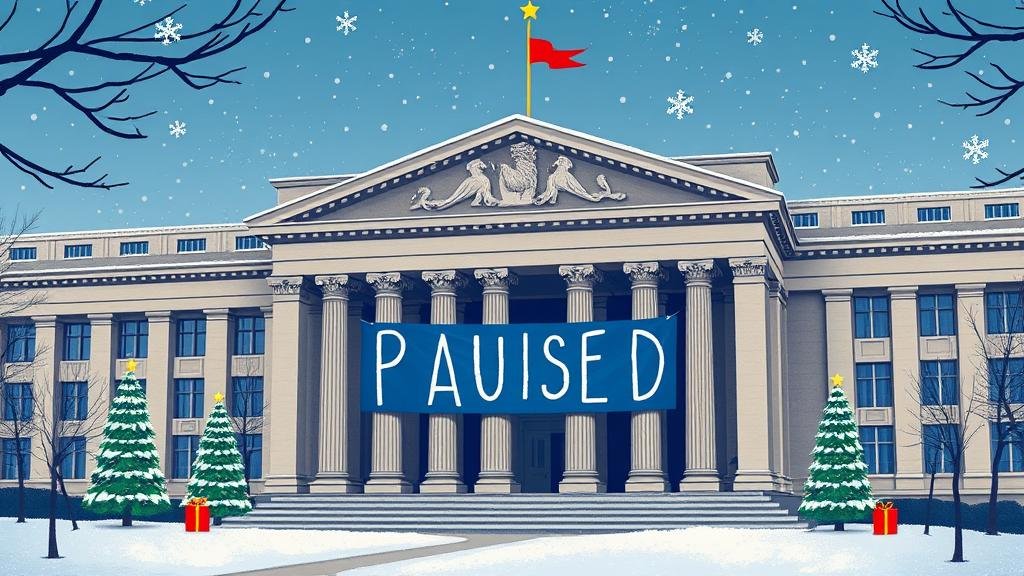
The ECB’s Holiday Hold: Why No Action is the Smartest Action
The holidays are upon us, bringing with them cheesy sweaters, heated family board games, and the European Central Bank’s most predictable move: doing nothing at all. After a year of aggressive interest rate hikes, the financial world has reached a rare consensus. The ECB is expected to pause, pour some eggnog, and maintain its current rates.
Let’s be clear: getting economists to agree is a Herculean task. Yet, a recent Reuters poll shows unanimous expectation for the ECB to hold its deposit rate at 4.00%. This isn’t a sign of laziness; it’s a strategic pause. The central bank is confident it has reined in inflation but is waiting for more data before declaring victory. This holding pattern might last, with some analysts predicting high rates until at least mid-2024.

Inflation’s Decline: The Key Driver for a Rate Hold
The primary reason for this anticipated pause is that inflation, the unwelcome guest of the past two years, is finally showing signs of leaving. The ECB’s core mandate is to maintain an inflation rate around 2%. With inflation peaking at a staggering 10.6% in October 2022, their task seemed monumental.
However, the aggressive monetary policy worked. By making borrowing more expensive, demand slowed, and prices stabilized. Economists are now forecasting a November inflation rate of just 2.1%, remarkably close to the target. As ECB President Christine Lagarde emphasizes, decisions are “data-dependent,” and the current data supports a pause.
A Delicate Balance: Navigating Economic Growth
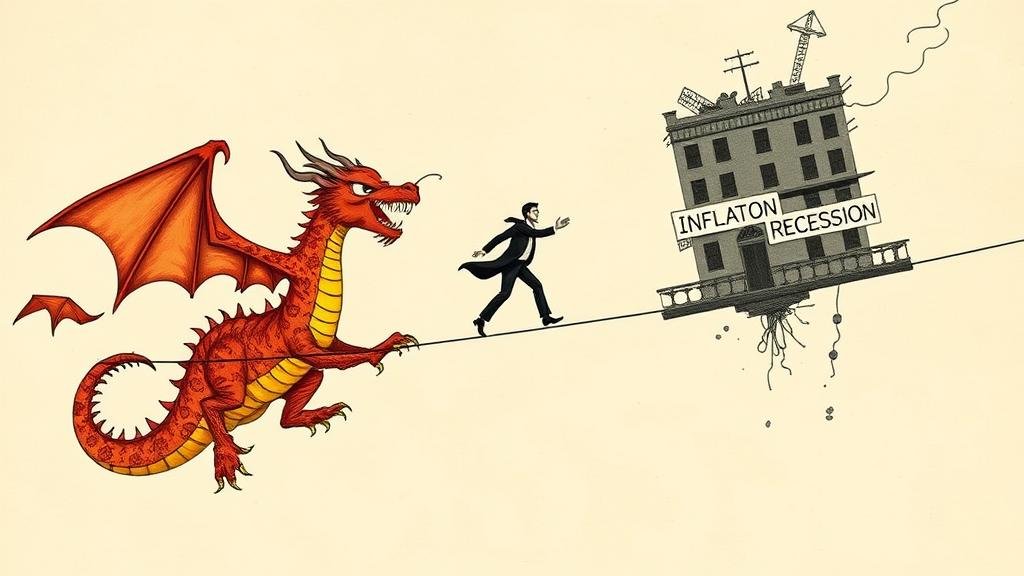
While combating inflation is the priority, the ECB must avoid crippling the Eurozone economy. Interest rate hikes are a blunt tool; they can curb inflation but also stifle economic growth. The Eurozone has shown signs of fragility, and another rate increase could trigger a recession.
The ECB is treading a fine line:
- Hike Again? Risk choking the economy and causing widespread job and business losses.
- Cut Too Soon? Risk a resurgence of inflation, undoing all their hard work.
The safest strategy is to do nothing. This “wait-and-see” approach allows the ECB to observe the effects of its past decisions before taking further action. It’s a calculated move to maintain stability in a fragile economic environment.
What the ECB Rate Hold Means for Your Finances
So, what does this high-level economic strategy mean for the average person? Let’s break down the real-world impact of the latest ECB interest rate decision.
For Borrowers:
If you have a variable-rate mortgage, you can breathe a sigh of relief. Your monthly payments are unlikely to continue their steep climb. For those seeking new loans, the bad news is that rates remain high. The good news? They have likely peaked, providing more certainty for financial planning.
For Savers:
The era of near-zero returns on savings accounts is over. A rate hold means that the attractive interest rates you’re currently earning on your savings are here to stay for a while longer.
For Businesses and the Economy:
Stable interest rates create a predictable environment for businesses, encouraging investment and hiring. This confidence is crucial for sustaining the Eurozone economy and preventing a downturn.
Looking Ahead: The Focus Shifts to 2024
With the December decision all but certain, the market’s focus is now shifting from if the ECB will hike to when it might begin to cut rates. All eyes will be on Christine Lagarde’s post-meeting press conference, where every word will be scrutinized for clues about the future path of monetary policy in 2024.
The road ahead remains uncertain, but the message from Frankfurt is one of patience and stability. For now, the ECB is holding firm.
Key Takeaways:
- No Surprises Expected: Markets are fully anticipating the ECB will hold interest rates steady.
- Inflation is Cooling: The declining inflation rate gives the ECB the confidence to pause its hiking cycle.
- Protecting the Economy: Holding rates steady supports the fragile Eurozone economy without letting inflation run unchecked.
- Impact on You: Borrowers get a reprieve from rising payments, while savers continue to enjoy solid returns.